Will/Does A Knee Brace Help A Torn Meniscus?
March 5, 2025
Understanding a Torn Meniscus and Knee Braces
The meniscus is a crescent-shaped piece of cartilage in the knee that acts as a cushion between the femur (thigh bone) and tibia (shin bone). It plays a critical role in stabilizing the knee, absorbing shock, and distributing weight during movement. A torn meniscus is a common knee injury, often resulting from twisting motions, sports activities, or degenerative changes in older adults. Symptoms typically include pain, swelling, stiffness, and sometimes a locking sensation in the knee.
When faced with this injury, many people wonder about non-surgical options for relief, including the use of a knee brace. A knee brace is a supportive device worn around the knee to provide stability, reduce pain, or limit movement. But does it actually help with a torn meniscus, and if so, how? To answer this, we need to consider the nature of the injury, the types of knee braces available, and the scientific and anecdotal evidence surrounding their effectiveness.
Types of Knee Braces and Their Functions
Knee braces come in several forms, each designed for specific purposes:
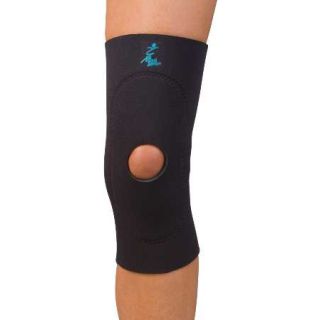
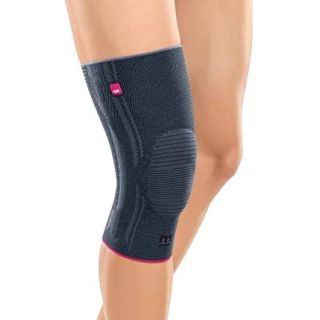
- Sleeve Braces: These are simple, elastic supports that provide mild compression and warmth. They’re often used for minor injuries or to improve proprioception (awareness of joint position).
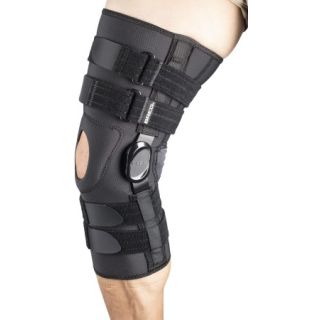
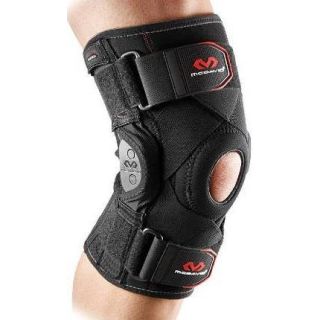
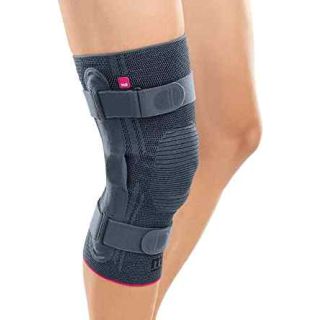
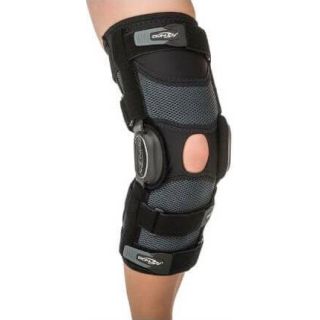
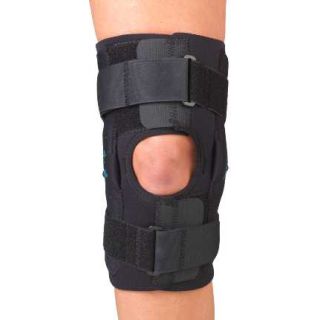
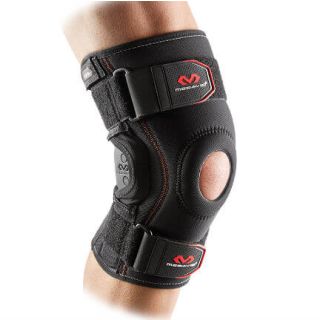
- Hinged Braces: These offer more robust support with metal or plastic hinges on the sides, limiting side-to-side movement while allowing flexion and extension. They’re common for ligament injuries but can also be used for meniscus tears.
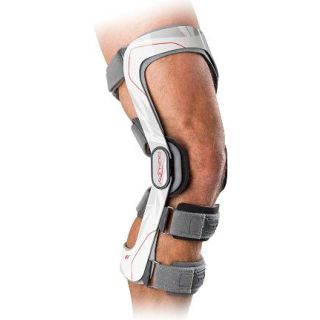
- Unloader Braces: Designed primarily for arthritis, these braces shift weight away from the damaged part of the knee, which could theoretically benefit certain meniscus tears.
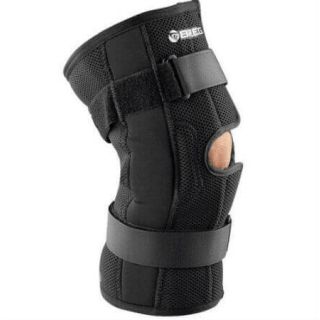
- Wraparound or Strap Braces: These provide adjustable compression and are often used for swelling control or mild support.
For a torn meniscus, the choice of brace depends on the tear’s location (medial or lateral meniscus), severity, and whether other structures (like ligaments) are involved. The question remains: can these braces meaningfully assist in healing or managing the injury?
Will a Knee Brace Help a Torn Meniscus?
The short answer is: it depends. A knee brace won’t heal a torn meniscus, as cartilage has limited blood supply and poor regenerative capacity, especially in the inner "white zone" of the meniscus. Healing often requires surgical intervention (like a meniscectomy or repair) for significant tears, particularly if the knee locks or if fragments interfere with joint movement. However, a knee brace can play a supportive role in managing symptoms and aiding recovery, especially in milder cases or post-surgery.
Pain Relief and Swelling Reduction
One of the primary benefits of a knee brace is its ability to reduce pain and swelling. Compression from a sleeve or wraparound brace can help control inflammation by improving blood flow and limiting fluid buildup around the injury site. For someone with a small, stable meniscus tear, this might make daily activities—like walking or climbing stairs—more bearable. Anecdotally, many patients report feeling less discomfort when wearing a brace, possibly due to the warmth and gentle pressure it provides.
Stability and Protection
A hinged brace, in particular, can stabilize the knee by restricting excessive movement that might worsen the tear. For example, if a twisting motion caused the initial injury, a brace could prevent similar motions during recovery. This is especially relevant for individuals with an active lifestyle who want to avoid surgery but still need to move. However, the meniscus itself isn’t directly stabilized by the brace—it’s the surrounding joint that benefits from the added structure.
Supporting Conservative Treatment
For minor tears or degenerative meniscus damage (common in older adults), doctors often recommend a conservative approach: rest, ice, physical therapy, and anti-inflammatory medications. A knee brace can complement this by offloading stress from the injured area and encouraging proper alignment during movement. Studies suggest that some patients with small tears can avoid surgery altogether with such measures, and a brace might contribute to that success by reducing strain.
Does a Knee Brace Help a Torn Meniscus? The Evidence
Scientific evidence on knee braces for meniscus tears is somewhat limited compared to their use in ligament injuries (like ACL tears) or osteoarthritis. However, we can draw insights from related research and clinical practice.
Clinical Studies
A 2017 study published in the Journal of Orthopaedic & Sports Physical Therapy explored bracing in knee injuries and found that while braces improve perceived stability and confidence, their direct impact on cartilage healing is negligible. For meniscus tears specifically, a brace’s effectiveness seems tied to symptom management rather than structural repair. Another study from the American Journal of Sports Medicine (2019) noted that unloader braces can reduce pain in patients with concurrent osteoarthritis and meniscus damage, suggesting a potential benefit for certain tear types.
Expert Opinions
Orthopedic specialists often view knee braces as a tool within a broader treatment plan. Dr. David Geier, an orthopedic surgeon, has written that braces can “help with swelling and give a sense of support,” but he cautions that they’re not a cure. Similarly, the American Academy of Orthopaedic Surgeons (AAOS) recommends braces as an option for symptom relief but emphasizes that their utility varies by patient and injury severity.
Patient Experiences
Online forums and patient testimonials (e.g., on platforms like Reddit or health blogs) frequently mention knee braces as a lifeline for managing meniscus tears non-surgically. Users often cite improved comfort during walking or light exercise, though some note that braces can feel restrictive or fail to address deeper pain from larger tears.
Limitations of Knee Braces for Meniscus Tears
While knee braces offer benefits, they’re not a panacea. Here are key limitations:
- No Healing Effect: A brace can’t mend the torn cartilage. If the tear is in the avascular (low blood supply) zone, healing is unlikely without surgery, regardless of bracing.
- Temporary Relief: Pain relief might be short-lived if the underlying damage progresses or if the brace doesn’t address instability from other injuries (e.g., ACL damage).
- Fit and Comfort: An ill-fitting brace can exacerbate discomfort or restrict blood flow, negating its benefits.
- Dependency Risk: Over-reliance on a brace might weaken surrounding muscles over time, as the knee becomes less active in stabilizing itself.
When Should You Use a Knee Brace?
A knee brace is most likely to help if:
- You have a small, stable tear manageable with conservative treatment.
- You’re recovering from meniscus surgery and need extra support.
- You experience pain or swelling during activity but want to remain mobile.
- Your doctor recommends it as part of a tailored plan.
Conversely, a brace may be less effective if:
- The tear is large, unstable, or causing mechanical symptoms (locking/catching).
- You have significant joint instability from other injuries.
- You’re seeking a long-term fix without addressing the root issue.
Conclusion: Balancing Expectations and Reality
So, will a knee brace help a torn meniscus, and does it? Yes, it can help—primarily by alleviating symptoms like pain and swelling, enhancing stability, and supporting a conservative recovery approach. However, its role is adjunctive, not curative. The effectiveness hinges on the tear’s specifics, the brace type, and how it’s integrated into a broader treatment strategy. For some, a brace might delay or even eliminate the need for surgery; for others, it’s a stopgap until a more definitive solution is pursued.
If you’re considering a knee brace for a torn meniscus, consult a healthcare professional to assess your injury. DME-Direct carries a large selection of knee braces for meniscus tears. Pair it with physical therapy and lifestyle adjustments for the best outcome. While it won’t magically heal your meniscus, it can certainly make the journey more comfortable—and that’s a step worth taking.