Rotator Cuff Tear Injuries: Causes, Symptoms, and Recovery Options
October 10, 2025
A rotator cuff tear is one of the most common shoulder injuries, affecting both athletes and older adults. Whether caused by repetitive overhead motion or a sudden fall, a torn rotator cuff can significantly limit shoulder strength and mobility — making daily activities like lifting, dressing, or even sleeping difficult.
In this guide, we’ll cover everything you need to know about rotator cuff tear injuries, including causes, symptoms, treatment options, recovery timelines, and the role of shoulder braces in rehabilitation.
What Is the Rotator Cuff?
The rotator cuff is a group of four muscles and their tendons that stabilize the shoulder joint and allow you to lift and rotate your arm. These muscles include:
- Supraspinatus – helps raise the arm.
- Infraspinatus – assists with external rotation.
- Teres minor – supports outward rotation and stability.
- Subscapularis – aids in internal rotation.
When any of these tendons become damaged or detached from the bone, it’s classified as a rotator cuff tear.
Types of Rotator Cuff Tears
There are two primary types of rotator cuff tears:
- Partial Tear: The tendon is damaged but not completely severed.
- Full-Thickness Tear (Complete Tear): The tendon completely separates from the bone.
Some tears develop gradually due to degeneration, while others occur acutely from trauma such as a fall or lifting a heavy object.
Common Causes
Rotator cuff injuries can occur for a variety of reasons:
- Repetitive overhead activity: Common in sports like baseball, tennis, or swimming.
- Degenerative wear and tear: More frequent with age due to tendon thinning.
- Acute trauma: Such as falling on an outstretched arm or lifting a heavy item.
- Bone spurs: Bony overgrowths can rub against tendons and cause fraying.
Rotator Cuff Tear Symptoms
Typical symptoms of a torn rotator cuff include:
- Shoulder pain when lifting or lowering your arm
- Weakness or loss of motion in the shoulder
- Clicking or popping sounds when moving the arm
- Pain that worsens at night or when lying on the injured shoulder
- Difficulty performing routine tasks like combing hair or tucking in a shirt
If pain persists for more than a few days, or if you experience sudden weakness after a fall, you should seek medical evaluation.
Diagnosis and Imaging
A doctor will usually begin with a physical examination to test range of motion and strength. Imaging tests help confirm the extent of the tear:
- X-rays show bone spurs or structural issues.
- Ultrasound can visualize tendon movement in real-time.
- MRI provides a detailed view of soft tissue damage.
Treatment Options
Treatment depends on the severity of the tear and your activity level.
1. Non-Surgical Treatments
- Rest and Activity Modification: Avoid activities that aggravate symptoms.
- Physical Therapy: Strengthens surrounding muscles and improves mobility.
- Ice and Heat Therapy: Reduces inflammation and promotes healing.
- Anti-inflammatory Medications: Such as NSAIDs to manage pain.
- Shoulder Bracing: A rotator cuff support brace or compression shoulder brace helps stabilize the joint, reduce strain, and provide gentle compression to minimize swelling.
Rotator Cuff Support Braces
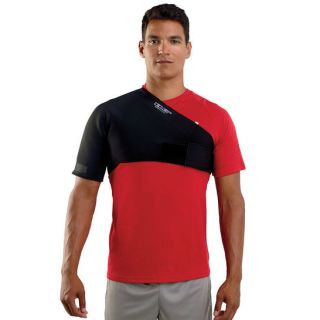
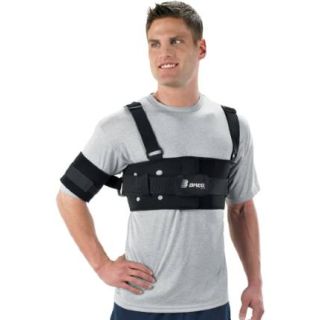
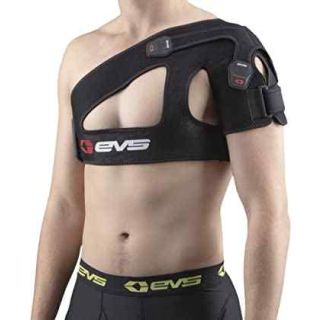
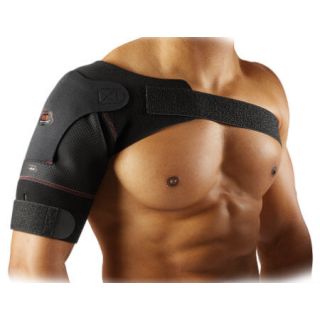
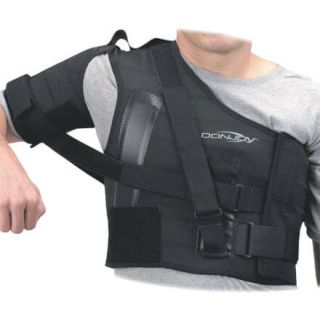

Explore our selection of rotator cuff support braces designed to relieve pain and promote recovery.
2. Surgical Treatments
For large or full-thickness tears that don’t respond to conservative treatment, arthroscopic repair or open surgery may be necessary. Surgery reattaches the torn tendon to the bone using sutures or anchors.
Rotator Cuff Tear Recovery Timeline
Recovery time varies based on the severity of the injury and treatment method:
- Mild (partial tears): 6–12 weeks with physical therapy and bracing.
- Moderate tears: 3–6 months.
- Post-surgical recovery: 4–6 months, including immobilization followed by gradual rehab.
During the early phase, immobilization with a shoulder support brace is key to protect the repair and prevent re-injury.
Exercises to Support Healing
Once cleared by your physician, gentle strengthening and stretching exercises help restore function. Examples include:
- Pendulum swings (to increase mobility)
- External rotation with resistance bands
- Scapular squeezes
- Wall slides
These movements should be performed under the guidance of a physical therapist to avoid overstressing the injured tendon.
How Shoulder Braces Aid Recovery
A shoulder support brace for rotator cuff injuries provides multiple benefits during healing:
- Maintains proper alignment of the shoulder joint
- Reduces muscle strain during movement
- Provides compression to decrease inflammation
- Prevents unwanted rotation or extension
Popular braces include the DonJoy Sully Shoulder Brace, Breg Shoulder Stabilizer, and Ovation Medical Shoulder Support, which balance protection and comfort for active recovery.
Preventing Future Rotator Cuff Injuries
- Warm up before activity
- Strengthen shoulder and upper back muscles
- Avoid repetitive overhead motions
- Maintain good posture and shoulder mechanics
Regular exercise and proper body mechanics are essential to prevent degeneration and maintain shoulder strength.
When to See a Doctor
Persistent shoulder pain or weakness that lasts more than a few days should not be ignored. Early evaluation ensures faster recovery and prevents chronic instability or tendon retraction.
Key Takeaway
Rotator cuff tears can range from mild irritation to full-thickness ruptures, but early diagnosis and proper treatment significantly improve outcomes. A combination of rest, physical therapy, and bracing can often restore function without surgery.
For added support during recovery, explore our full range of rotator cuff injury braces and supports — trusted by orthopedic specialists and athletes alike.