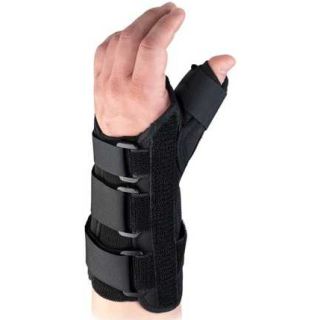
Skier’s Thumb Brace: Support, Recovery & Prevention
September 22, 2025
A skier's thumb injury, also known as a UCL (ulnar collateral ligament) sprain, can make gripping, skiing, or even simple daily tasks painful and difficult. The right skier's thumb brace or splint provides stability, reduces pain, and promotes faster healing. In this guide, we'll explore the best skier's thumb braces and splints, explain how they work, and help you choose the ideal support to protect your thumb during recovery and return to activity.
What Does a Skier's Thumb Brace Do?
A brace or splint keeps the thumb's metacarpophalangeal (MCP) joint stable by limiting sideways movement. This allows the injured ligament to rest and repair. Proper immobilization helps:
-
Reduce pain and swelling
-
Prevent further ligament damage
-
Support daily activities without over-stressing the thumb
-
Shorten recovery time after injury
Types of Skier's Thumb Braces & Splints
When choosing the best skier's thumb brace, it helps to know the different options:
-
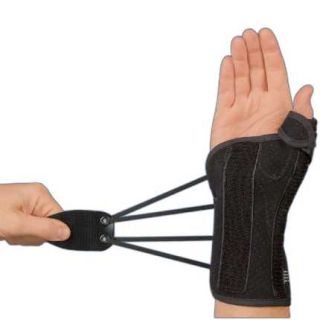
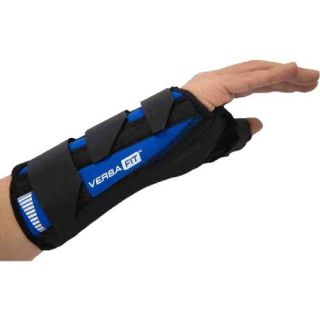
Rigid Thumb Splints - Often called thumb spica splints, these immobilize the thumb completely. They are ideal for moderate to severe injuries.
-
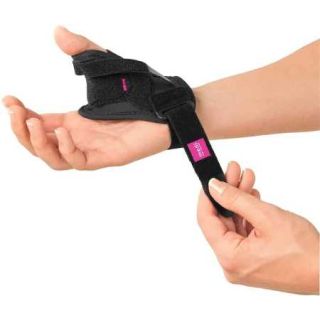
Adjustable Thumb Braces - Allow some movement while still stabilizing the joint. Good for mild sprains or as a step-down support during recovery.
-
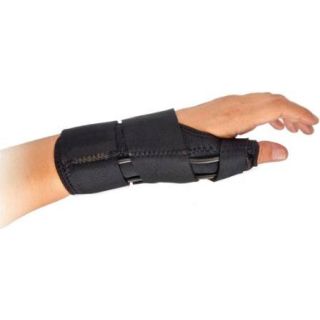
Sports-Specific Thumb Braces - Low-profile designs that can fit under ski gloves or sports gear, providing protection without bulk.
Each type has its role, and your choice may depend on the severity of your UCL injury and whether you're returning to skiing, typing, or everyday activities.
How Long Should You Wear a Skier's Thumb Splint?
Most people need to wear a skier's thumb splint for 4-6 weeks. For mild sprains, daytime wear plus nighttime immobilization may be enough. Severe injuries or partial ligament tears may require full-time splinting, followed by rehabilitation exercises. Always follow your orthopedic specialist's guidance.
Finding the Best Skier's Thumb Brace
The best skier's thumb brace should meet three key criteria:
-
Immobilization: Keeps the thumb joint from bending sideways.
-
Comfort: Breathable materials and adjustable straps for long wear.
-
Fit: Low-profile designs that fit under gloves for skiing or everyday use.
Top-rated medical-grade thumb braces include thumb spica splints, which provide rigid immobilization and are clinically recommended for UCL injuries.
Additional Tips for Recovery
-
Rest & Ice: Control pain and swelling early.
-
Rehabilitation Exercises: Once cleared by your doctor, strengthening the thumb muscles improves long-term stability.
-
Ergonomics: Modify activities like typing or gripping to reduce strain during healing.
-
Protective Gear: Even after healing, wearing a supportive thumb brace while skiing can help prevent re-injury.
Conclusion
A skier's thumb brace - sometimes referred to as a skier's thumb splint - is essential for protecting the UCL ligament and ensuring proper recovery. Choosing the best skier's thumb brace depends on your injury severity, lifestyle needs, and comfort preferences.
Explore our selection of medical-grade braces and splints designed specifically for skier's thumb. With the right support, you can reduce pain, protect your thumb, and safely return to your favorite activities. For more choices visit our Dequervains thumb braces and splints selection.