Shoulder Instability in Athletes: Preventing Re-Injury with Braces
August 26, 2025
Athletes who experience shoulder instability or subluxation face a unique challenge: balancing recovery with the desire to return to sport. Because the shoulder joint has such a wide range of motion, it's also one of the most vulnerable to recurring injuries. Understanding how braces can help prevent re-injury is key to staying active and protected.
Why Athletes Are Prone to Shoulder Instability
Sports that involve overhead or high-impact movements-such as baseball, swimming, tennis, football, and basketball-put significant stress on the shoulder joint. Athletes may suffer subluxations (partial dislocations) or even full dislocations from:
-
Repetitive overhead motions
-
Sudden impacts or collisions
-
Weakness in stabilizing muscles
-
Previous shoulder injuries that never fully healed
Unfortunately, once instability occurs, the chance of re-injury increases if the shoulder isn't properly supported during activity.
The Role of Bracing in Sports Recovery
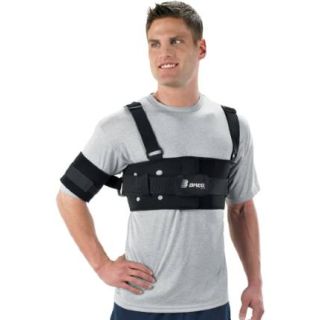
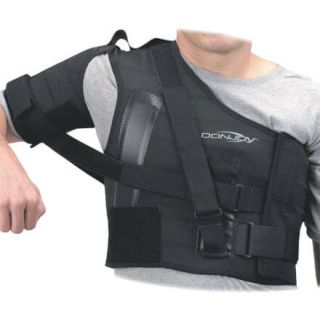
A shoulder subluxation brace or stabilizer provides targeted compression and alignment to reduce the risk of another slip or dislocation. Braces help athletes by:
-
Limiting excessive range of motion that stresses the joint
-
Supporting the capsule and ligaments as they heal
-
Providing proprioceptive feedback, reminding the body to protect the joint
-
Allowing controlled mobility so athletes can continue training safely
Unlike immobilizers, sport-specific braces are designed to be worn during activity, balancing stability with freedom of movement.
Choosing the Right Shoulder Brace for Athletes
Not all braces are the same. Athletes recovering from instability should look for:
-
Adjustable compression for a secure but comfortable fit
-
Breathable materials that can be worn during training and competition
-
Sport-specific designs that stabilize without completely restricting motion
-
Lightweight, low-profile styles that fit under uniforms or gear
Athletes in contact sports may benefit from stronger stabilizers, while those in overhead sports often prefer compression sleeves with strapping for targeted support. Check out our article on the best shoulder braces for subluxation.
Braces For Instability & Dislocation


Other Ways Athletes Can Prevent Re-Injury
While braces are essential tools, a full prevention strategy should include:
-
Rehabilitation exercises to strengthen the rotator cuff and scapular muscles
-
Warm-up and mobility routines to prepare the joint before activity
-
Gradual return to play instead of rushing back into high-intensity competition
-
Regular medical checkups to monitor joint stability
When to Wear a Brace
Athletes should consider wearing a shoulder brace:
-
Immediately after an initial subluxation, during the early rehab and recovery process
-
During practices, training sessions, or games when returning to sport
-
Anytime they experience pain, weakness, or a sense of looseness in the joint
Final Thoughts
For athletes, shoulder instability doesn't have to mean the end of competition. With proper rehabilitation, targeted exercises, and the right shoulder subluxation brace, it's possible to return to sport while lowering the risk of re-injury.
Explore our full collection of Shoulder Subluxation Braces to find stabilizers designed for athletic performance and recovery.