Osgood Schlatter
March 6, 2025
Osgood-Schlatter Disease: A Comprehensive Overview
Osgood-Schlatter disease (OSD) is a common condition primarily affecting adolescents during periods of rapid growth, particularly those engaged in physical activities. Named after Robert Bayley Osgood and Carl B. Schlatter, who independently described it in 1903, this condition is characterized by inflammation at the point where the patellar tendon attaches to the tibia, just below the knee.
While it is not a "disease" in the traditional sense of an infection or chronic illness, it is often referred to as such due to its distinct clinical presentation and impact on affected individuals. OSD typically resolves with time, but understanding its causes, symptoms, and treatment options is essential for managing the condition effectively and minimizing discomfort. This essay will explore these aspects in detail, providing a thorough understanding of Osgood-Schlatter disease.
Causes of Osgood-Schlatter Disease
Osgood-Schlatter disease is primarily a condition tied to the musculoskeletal changes that occur during puberty, making it a disorder of growth and development. The most significant contributing factor is the rapid growth spurt that adolescents experience. During this period, bones lengthen faster than muscles and tendons can adapt, leading to increased tension and stress at attachment points.
In the case of OSD, this stress occurs at the tibial tuberosity, a bony prominence on the upper shin where the patellar tendon inserts. The tibial tuberosity is still developing in young individuals and consists of a growth plate (epiphyseal plate), which is made of cartilage and is weaker than mature bone.
Repeated pulling from the patellar tendon, which connects the quadriceps muscle to the tibia, can irritate or even partially separate this growth plate, resulting in inflammation and pain around the tibial tubercle area below the knee.
Another key cause is physical activity, particularly daily activities that involve repetitive knee flexion and extension. Sports such as soccer, basketball, running, gymnastics, and volleyball are commonly associated with OSD because they place significant strain on the quadriceps and, consequently, the patellar tendon.
The condition is more prevalent in boys than girls, likely due to higher participation rates in these high-impact sports historically, though the gender gap is narrowing as female participation in athletics increases. Typically, OSD affects boys between the ages of 10 and 15 and girls between 8 and 13, aligning with their respective growth spurts.
While growth and activity are the primary drivers, other factors can exacerbate the condition. For instance, tight quadriceps muscles or poor flexibility can increase tension on the patellar tendon, worsening the stress on the tibial tuberosity. Additionally, improper footwear or training techniques may contribute by altering biomechanics and increasing load on the knee.
Though rare, anatomical variations, such as an unusually prominent tibial tuberosity or abnormal patellar tendon alignment, might predispose some individuals to OSD. However, these are not well-established causes and require further research.
Symptoms of Osgood-Schlatter Disease
The symptoms of Osgood-Schlatter disease are typically localized to the knee and are most noticeable during or after physical activity. The hallmark symptom is pain just below the kneecap, at the tibial tuberosity. This pain is often described as a dull ache or sharp discomfort that worsens with activities like running, jumping, or climbing stairs—movements that engage the quadriceps and tug on the patellar tendon.
The pain may be mild at first but can intensify over time if activity continues without modification. Rest usually alleviates the discomfort, though some individuals experience lingering soreness even at rest during peak symptomatic periods.
Swelling or tenderness at the tibial tuberosity is another common symptom. The area may feel warm to the touch due to inflammation, and a noticeable bump or bony prominence often develops. This bump is a result of the body’s response to repeated stress: as the tendon pulls on the growth plate, microtrauma triggers increased bone formation, leading to a palpable enlargement. While this bump may persist even after symptoms resolve, it is not inherently painful unless actively irritated.
Other symptoms include tightness or stiffness in the quadriceps or hamstrings, which can accompany the condition due to compensatory muscle tension. In some cases, individuals report a feeling of weakness or instability in the affected knee, though this is less common and may indicate a more severe presentation requiring medical evaluation. OSD typically affects one knee, but it can occur bilaterally in about 20-30% of cases, especially in highly active individuals.
Importantly, Osgood-Schlatter disease does not typically cause systemic symptoms like fever or fatigue, distinguishing it from infections or inflammatory diseases like arthritis. The symptoms are mechanical in nature, tied directly to activity and growth-related stress rather than an underlying pathological process. However, the pain and physical limitations can impact quality of life, particularly for young athletes eager to participate in sports.
Treatment for Osgood-Schlatter Disease
The good news about Osgood-Schlatter disease is that it is self-limiting, meaning it resolves on its own once skeletal growth is complete and the tibial growth plate fuses, typically by late adolescence. However, managing symptoms during the active phase is crucial to prevent unnecessary discomfort and maintain function. Treatment is primarily conservative, focusing on symptom relief, activity modification, and supportive measures rather than curing an underlying "disease," since OSD is a temporary condition tied to development.
Rest and Activity Modification: The cornerstone of treatment is reducing stress on the affected area. This does not mean complete immobilization—bed rest is unnecessary and could lead to muscle weakening—but rather a temporary reduction in high-impact activities. For example, an adolescent with OSD might switch from soccer to swimming or cycling, which are less demanding on the knees. Coaches, parents, and athletes should work together to adjust training schedules, ensuring the individual can still stay active without aggravating the condition.
Pain Management: Over-the-counter pain relievers like ibuprofen or acetaminophen can help manage discomfort and reduce inflammation. Ibuprofen, a nonsteroidal anti-inflammatory drug (NSAID), is particularly useful for its dual pain-relieving and anti-inflammatory properties. Ice therapy is another effective tool: applying an ice pack to the tibial tuberosity for 15-20 minutes after activity can numb pain and decrease swelling. Heat therapy is generally avoided during acute flare-ups, as it may increase inflammation.
Stretching and Strengthening: Physical therapy plays a significant role in treatment by addressing muscle tightness and imbalances. Stretching the quadriceps and hamstrings can relieve tension on the patellar tendon, while strengthening exercises for the quadriceps and core muscles improve knee stability and biomechanics. A physical therapist may design a tailored program, ensuring exercises are done safely to avoid worsening symptoms. For example, static stretches held for 20-30 seconds or gentle resistance band exercises can be beneficial.
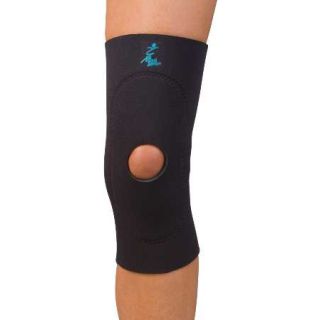
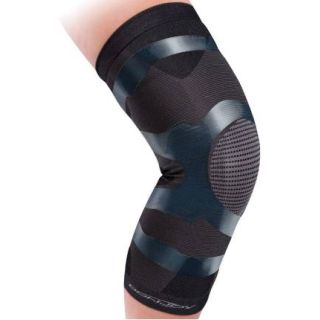
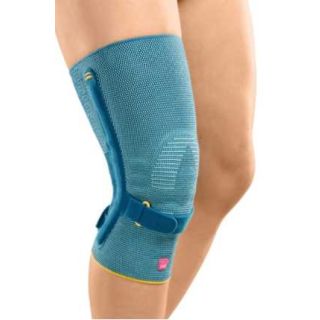
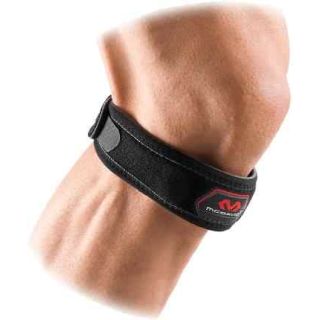
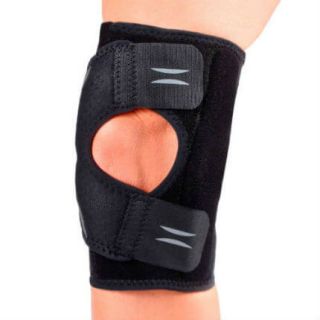
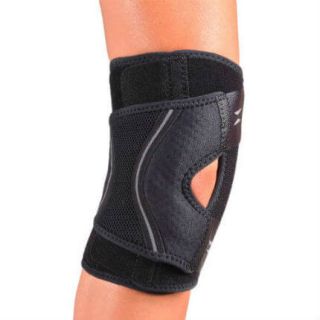
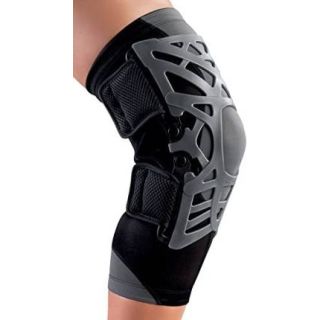
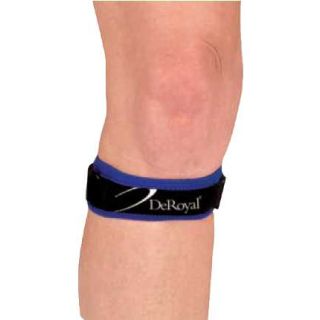
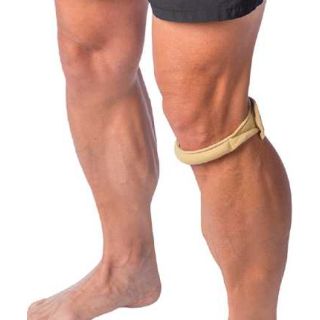
Supportive Devices: In some cases, Osgood Schlatter braces, straps, or padding can provide relief by redistributing pressure away from the tibial tuberosity. A patellar tendon strap, worn just below the kneecap, can reduce the force transmitted through the tendon during activity. Orthotics or proper athletic shoes may also help if poor foot alignment contributes to knee stress.
Education and Patience: Since OSD resolves with time, educating patients and families about its natural course is vital. Adolescents may feel frustrated by activity limitations, but reassurance that the condition is temporary can encourage compliance with treatment. Parents should monitor symptoms and ensure rest periods are respected, balancing the child’s desire to stay active with the need for recovery.
Rare Interventions: In severe or persistent cases—less than 10% of OSD instances—additional measures may be considered. If pain continues after skeletal maturity (when the growth plate has fused), a small percentage of individuals develop ossicles (tiny bone fragments) within the tendon that cause ongoing irritation.
Surgical removal of these ossicles is an option, though it is rarely needed and reserved for adults with chronic symptoms unresponsive to conservative care. Corticosteroid injections are generally avoided due to risks like tendon weakening, and casting or immobilization is outdated and unnecessary.
Conclusion
Osgood-Schlatter disease is a common, growth-related condition that affects active adolescents, driven by the interplay of rapid bone growth and repetitive physical stress. Its causes are rooted in the mechanics of development and activity, with the tibial tuberosity bearing the brunt of tension from the patellar tendon.
Symptoms—pain, swelling, and a bony bump—are localized and manageable, though they can disrupt sports participation and daily life. Fortunately, treatment is straightforward, relying on rest, pain relief, and supportive therapies to ease discomfort until the condition naturally resolves with skeletal maturity.
For most individuals, OSD becomes a distant memory, leaving only a harmless bump as a reminder of their active youth. By understanding its causes, recognizing its symptoms, and applying effective treatments, those affected can navigate this temporary challenge with minimal long-term impact.
As research continues, greater insight into predisposing factors and prevention strategies may further reduce its prevalence, but for now, patience and proactive management remain the keys to overcoming Osgood-Schlatter disease