
-
 Details$115.99 $97.99
 -
Add To Cart To See Price
Details$186.00 $186.00
-
Details$123.99 $114.99
-
Details$42.99 $32.99
-
Add To Cart To See Price
Details$207.00 $207.00
-
Details$131.99 $99.95
-
Details$54.99 $45.26
-
Details$36.99 $27.99
-
Details$108.95 $79.33
-
Details$139.99 $112.99
-
Details$139.99 $95.19
-
Add To Cart To See Price
Details$233.00 $233.00
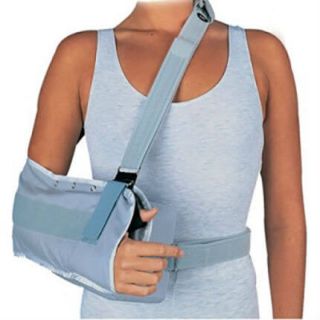
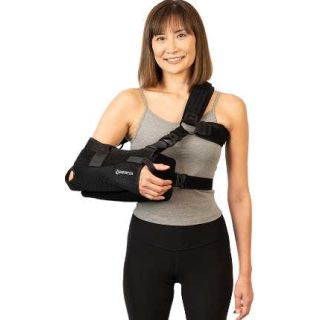


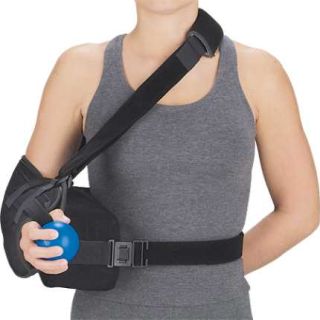
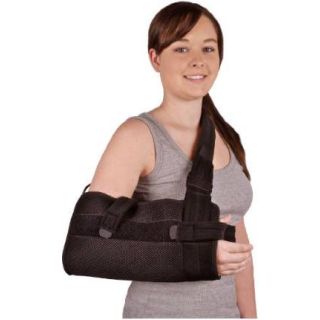
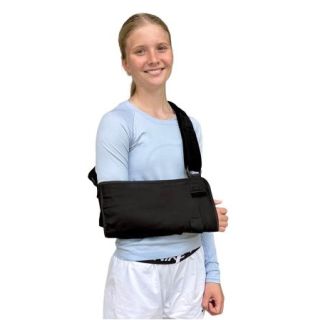

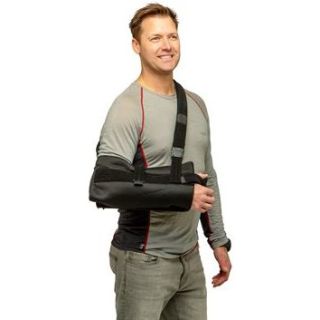
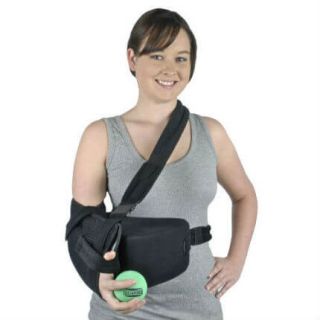
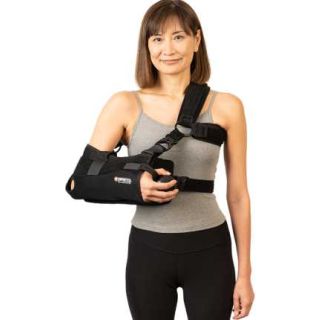
Choosing the Right Immobilization Sling for Your Recovery
Understanding the types of shoulder immobilizers is critical to following your surgeon's protocol. While they all aim to restrict motion, the internal positioning of the joint varies based on the device design.
Standard vs. Abduction Immobilizers
- Standard Shoulder Immobilizer: Features an arm envelope and a chest/waist band. This keeps the arm in a "neutral" position against the body, commonly used for shoulder dislocations and simple fractures.
- Abduction Immobilizer: Includes a contoured foam pillow that holds the arm at a specific angle (usually 15°) away from the body. This is the "gold standard" for rotator cuff surgery because it offloads the tendons to improve blood flow.
- External Rotation Immobilizer: Utilizes a wedge-shaped pillow to hold the forearm outward, often required after posterior capsule repairs or specific tendon transfers.
Shoulder Immobilizer vs. Sling: What's the Difference?
A common search query is "shoulder immobilizer vs sling." The difference lies in the level of control. A sling allows the arm to swing slightly, which is fine for minor strains. An arm sling shoulder immobilizer adds a waist belt that eliminates that swing, making it the safer choice for broken bones and post-surgical sutures where movement could lead to re-injury.
Clinical Features to Look For:
- Breathable Moisture-Wicking Mesh: Essential for preventing skin breakdown during 24/7 wear, found in models like the DonJoy UltraSling III.
- Hand Exercise Balls: Many professional-grade immobilizers include a squeeze ball to reduce hand swelling and aid circulation while the arm is inactive.
- One-Handed Buckles: Look for quick-release systems that allow you to adjust the fit independently without compromising the surgical site.
Indications for Intense Immobilization
A shoulder immobilizer brace is typically prescribed for:
- Post-Op Total Shoulder Replacement
- Bankart and SLAP Lesion Repairs
- Dislocations and Subluxations (to prevent re-injury)
- Humerus or Clavicle Fractures
