
-
 Details$109.99 $89.99
 -
Details$109.99 $96.99
-
Details$109.99 $89.99
-
Add To Cart To See Price
Details$186.00 $186.00
-
Add To Cart To See Price
Details$151.00 $151.00
-
Details$122.99 $110.99
-
Details$141.99 $132.99
-
Details$81.95 $71.95
-
Details$204.99 $194.99
-
Details$31.99 $22.99
-
Details$112.99 $88.99
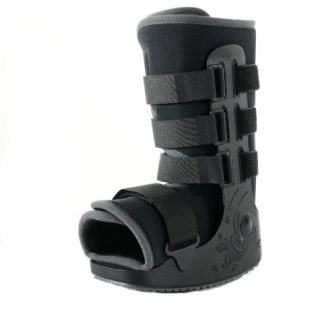
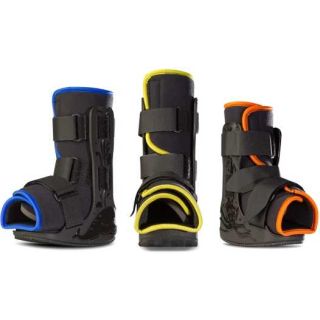
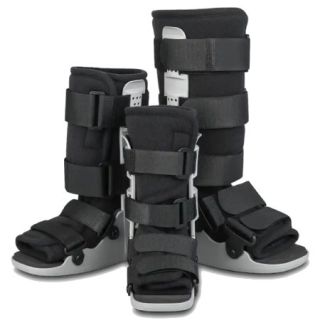
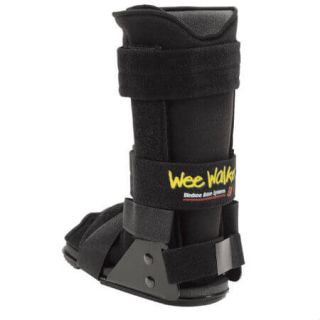
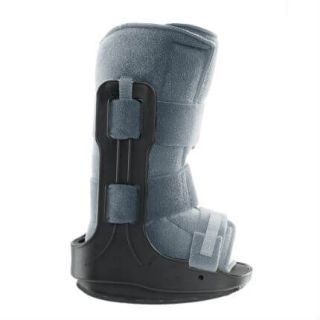
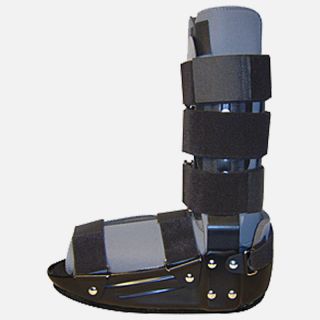
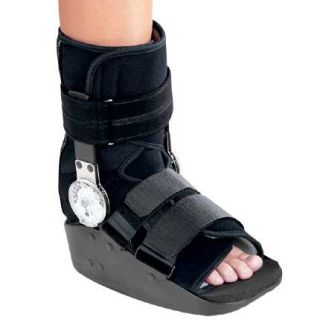
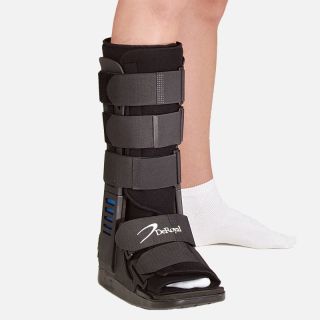
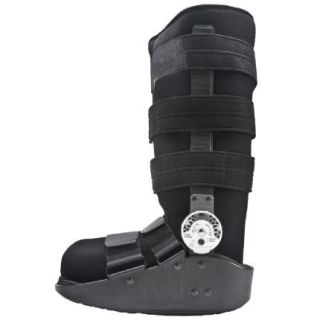
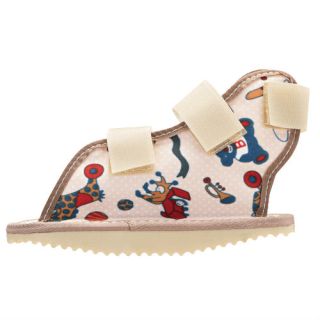
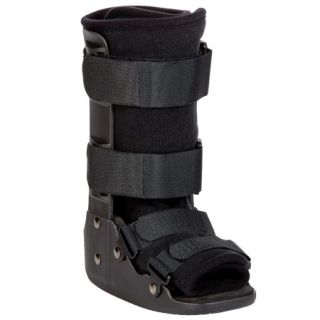
Navigating Pediatric Walking Boot Options
A CAM (Controlled Ankle Motion) boot serves as a specialized, removable alternative to a traditional plaster cast. When selecting a walker for your child, the choice depends on the specific injury and the required level of immobilization:
-
Support for Toddlers & Infants: Small children require a boot that accounts for their developing gait. Clinical favorites like the ProCare MiniTrax are preferred for their ultra-lightweight design and non-slip rocker soles, which help younger patients maintain balance without "medical anxiety."
-
Maximum Stability for Fractures: For grade 3 sprains or stable fractures, a rigid-shell boot like the Thuasne PediWalker Pediatric Walker is often necessary. These feature a durable outer skeleton and dense padding to protect the injury site from the impact of daily play.
-
Pneumatic (Air) Compression: For post-surgical recovery or injuries involving significant swelling (edema), a pneumatic walking boot—such as the Breg Vectra Wee Walker Air —is ideal. These allow parents to adjust internal air bladders for a custom "total contact" fit that manages compression and reduces pain.
Safety and Fitting Best Practices
-
The Rocker Sole Advantage: Pediatric boots utilize a curved "rocker bottom" to facilitate a natural heel-to-toe motion. This allows children to walk safely while the ankle remains completely immobilized—a critical factor in the healing of growth plate fractures.
-
Hygiene and Skin Protection: To prevent chafing, children should always wear a moisture-wicking or snug cotton sock under the boot liner. This also helps keep the removable liner cleaner for a longer period.
-
Stair Safety for Kids: Use the "Good to Heaven, Bad to Hell" method: Lead with the uninjured foot when going upstairs, and lead with the booted foot when going downstairs to ensure maximum stability.
