Ice Cold Pack Reusable

Conquering Pain with Cold: A Buyer's Guide to Reusable Ice Packs for Injury Relief
Injuries, whether from sports, accidents, or everyday life, are an unfortunate reality. One of the most effective and time-tested treatments for managing the pain and inflammation that accompany these injuries is cold therapy. And in the realm of cold therapy, the reusable ice pack stands as a champion of convenience, cost-effectiveness, and environmental responsibility. But with a dizzying array of options available, selecting the right reusable ice pack for injury relief can feel overwhelming. This comprehensive guide will navigate you through the world of reusable ice packs, focusing specifically on their application for injury management, to help you make the best choice for your recovery.
The Science Behind Cold Therapy for Injuries:
Before delving into the specifics of ice packs, it's crucial to understand why cold therapy works. When you apply cold to an injured area, several physiological changes occur:
- Vasoconstriction: Blood vessels in the affected area constrict, reducing blood flow. This helps to minimize swelling and inflammation, which are major contributors to pain.
- Reduced Nerve Activity: Cold can numb nerve endings, decreasing the perception of pain. This provides temporary relief and can make it easier to manage discomfort.
- Decreased Muscle Spasm: Cold can help relax muscles and reduce muscle spasms, which can be a common response to injury.
- Reduced Metabolic Activity: Cold therapy slows down metabolic processes in the injured tissue, which can help to limit tissue damage and promote healing.
Types of Reusable Ice Packs for Injury Relief:
Several types of reusable ice packs are available, each with its own advantages and disadvantages for injury treatment:
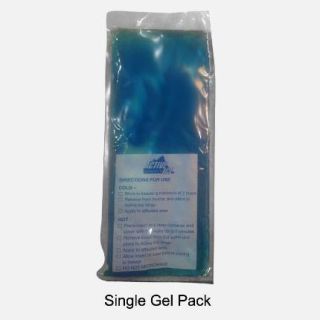
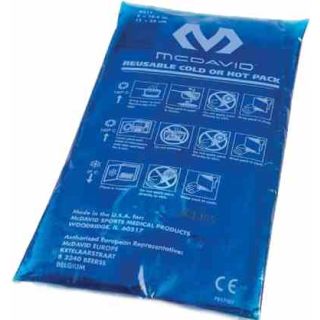
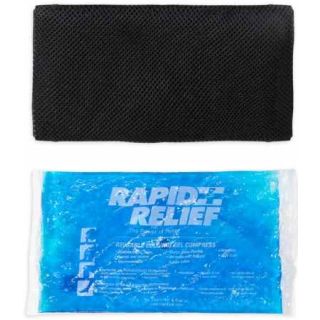
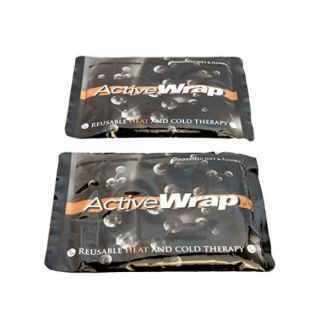
- Gel Packs: These are the most versatile and commonly used type for injuries. Filled with a gel substance, they remain flexible even when frozen, conforming to the contours of the injured body part. This makes them ideal for treating various injuries, from sprains and strains to bruises and bumps.
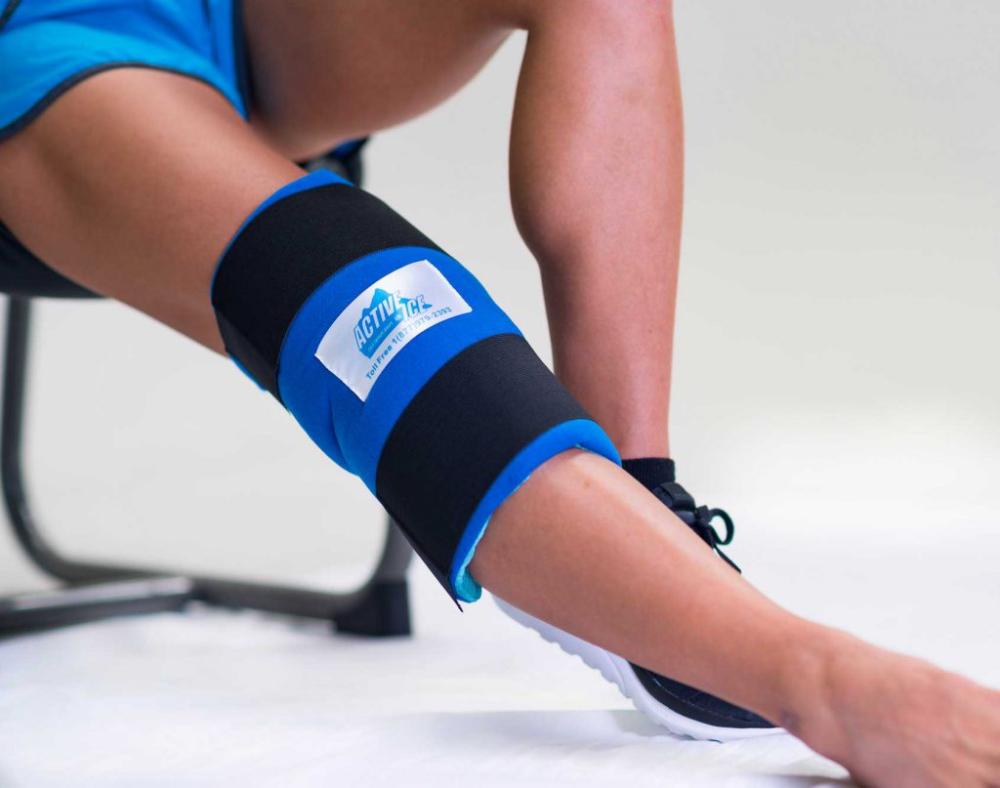
- Flexible Ice Blankets: These thin, pliable sheets are filled with small ice crystals or gel. They are excellent for treating larger areas, such as a back injury or a swollen knee. They can also be easily wrapped around limbs or joints.
- Hard Plastic Packs: These packs, typically filled with water or saline solution, are encased in a hard plastic shell. While durable and offering longer cooling times, they are less flexible than gel packs and may not conform as well to the body. They are best suited for areas where contouring isn't critical.
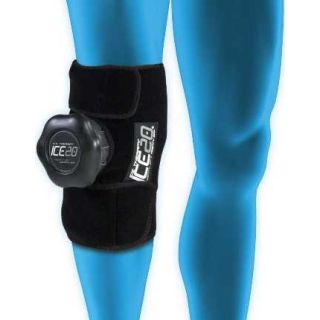
- Compression Cryotherapy Devices: These specialized devices combine cold therapy with compression. The compression helps to reduce swelling, while the cold minimizes pain. They are particularly useful for joint injuries and post-surgical recovery. These are often more expensive but can be highly effective.
Key Factors to Consider When Choosing an Ice Pack for Injury Relief:
Selecting the right ice pack for your injury is paramount for effective treatment. Here are the most important factors to consider:
- Type of Injury: The nature of your injury will dictate the most suitable type of ice pack. For sprains and strains, a flexible gel pack is often the best choice. For larger areas of swelling, an ice blanket might be more appropriate. For joint injuries, a compression cryotherapy device could be beneficial.
- Size and Shape: The size and shape of the ice pack should match the area you need to treat. Smaller packs are ideal for targeted therapy on smaller injuries, while larger packs are better for covering larger areas. Consider the shape of the injured area and choose a pack that will provide optimal coverage.
- Flexibility and Contour: For injuries to joints or areas with irregular shapes, flexibility is crucial. Gel packs and ice blankets offer the best flexibility and contouring ability. Hard plastic packs are less adaptable.
- Cooling Duration: How long do you need the ice pack to stay cold? Different types of packs offer varying cooling durations. Gel packs generally provide a moderate cooling time, while hard plastic packs offer longer cooling. Compression cryotherapy devices often have adjustable cooling settings.
- Ease of Use: The ice pack should be easy to apply and remove, especially if you are in pain or have limited mobility. Look for packs with simple closures or straps that are easy to manipulate.
- Reusability and Durability: Since you'll be using the ice pack repeatedly, durability is essential. Look for packs made from strong, leak-resistant materials with reinforced seams. Read reviews to gauge the longevity of different brands and models.
- Safety: Ensure the ice pack is made from non-toxic materials. Avoid applying ice directly to bare skin; always wrap the pack in a thin cloth to prevent frostbite. Follow the manufacturer's instructions for safe and effective use.
- Cost: Ice packs range in price from a few dollars for basic gel packs to hundreds of dollars for specialized compression devices. Balance your budget with the features and quality you need.
- Doctor's Recommendations: Always consult with your doctor or physical therapist before using any type of cold therapy, especially for serious injuries. They can provide specific recommendations for your injury and advise on the most appropriate type of ice pack.
Using Ice Packs Effectively for Injury Relief:
- RICE Method: The RICE method (Rest, Ice, Compression, Elevation) is a widely recommended approach for treating acute injuries. Ice packs play a crucial role in this protocol.
- Application Time: Generally, apply ice packs for 15-20 minutes at a time, several times a day. However, your doctor or physical therapist may recommend a different duration depending on your injury.
- Protecting Your Skin: Never apply ice directly to bare skin. Always wrap the ice pack in a thin towel or cloth to prevent frostbite.
- Monitoring for Adverse Reactions: Watch for any signs of adverse reactions, such as numbness, tingling, or skin irritation. If you experience any discomfort, discontinue use and consult with your doctor.
- Combining with Other Therapies: Ice therapy is often most effective when combined with other treatments, such as rest, compression, elevation, and physical therapy.
Choosing the Right Ice Pack for Specific Injuries:
- Sprains and Strains: Flexible gel packs or ice blankets are ideal for treating sprains and strains. They conform to the injured area and provide effective cooling.
- Bruises and Contusions: Gel packs are also effective for treating bruises and contusions. They help to reduce swelling and pain.
- Muscle Soreness: After intense exercise, ice packs can help reduce muscle soreness and inflammation. Ice blankets or larger gel packs are good choices for treating larger muscle groups.
- Joint Injuries: For joint injuries, compression cryotherapy devices can be particularly beneficial. They combine cold therapy with compression to reduce swelling and pain.
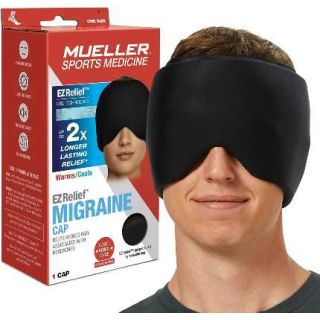
- Headaches: Applying a cold pack to the forehead or neck can help relieve headache pain. Smaller gel packs are often the most comfortable option.
Beyond the Basics: Specialized Ice Packs:
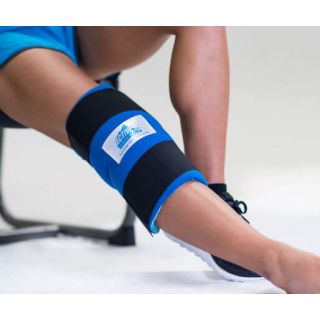
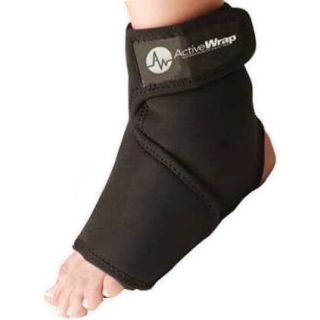
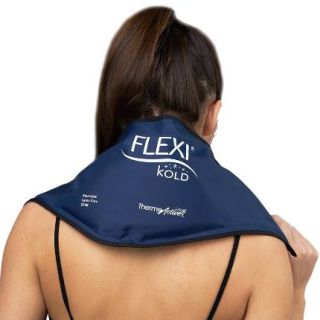
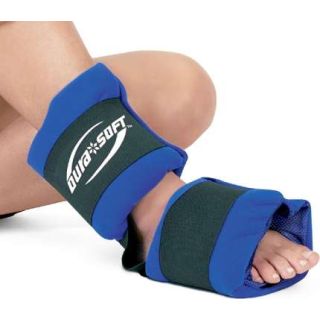
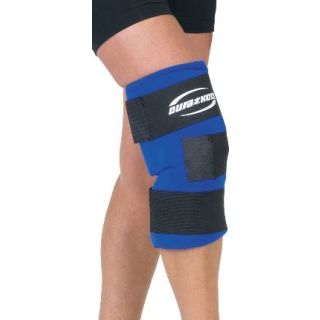
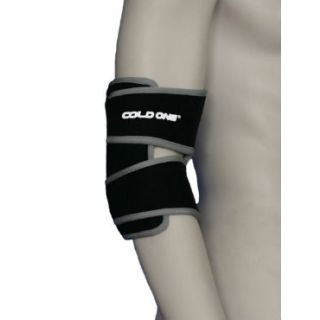
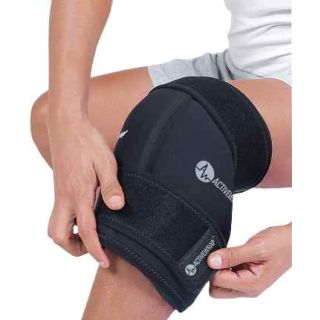
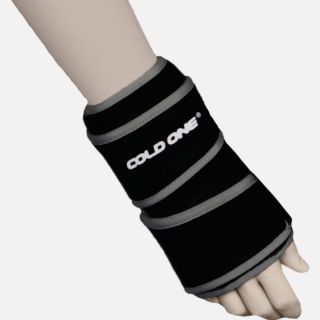
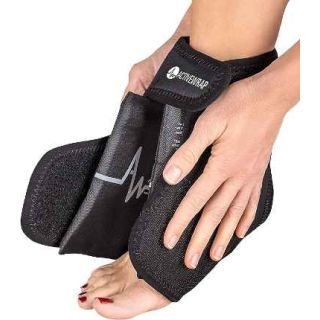
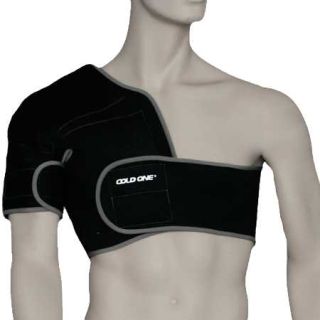
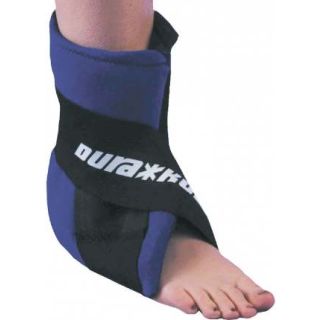
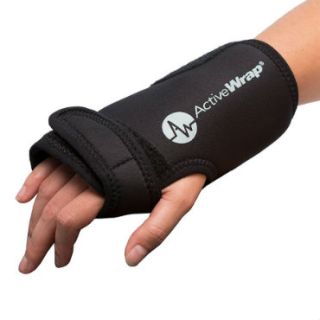
- Cold Therapy Wraps: These wraps are designed to fit specific body parts, such as knees, ankles, or wrists. They provide targeted cold therapy and often incorporate compression.
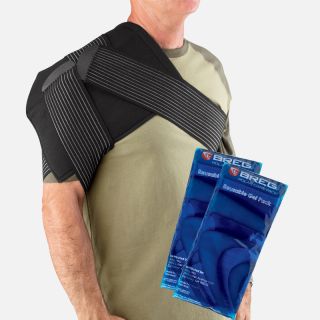
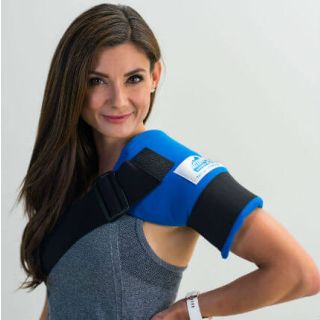
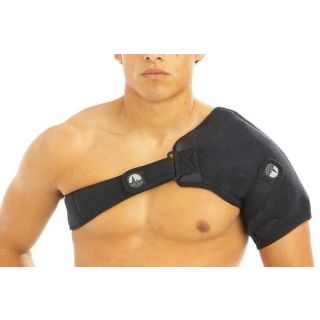
- Reusable Ice Packs with Straps: These packs feature built-in straps that secure them to the injured area, allowing for greater mobility during treatment.
Investing in Your Recovery:
Choosing the right reusable ice pack for injury relief is an investment in your health and well-being. By carefully considering the factors outlined in this guide and understanding the various types of ice packs available, you can select a product that will provide effective pain management and support your recovery journey. Remember to always consult with your doctor or physical therapist for personalized recommendations and to ensure the safe and effective use of cold therapy for your specific injury. Don't let pain hold you back – take control of your recovery with the power of cold.