
-
Staff Choice
 Details$127.99 $99.50
 -
Details$107.99 $98.99
-
Add To Cart To See Price
Details$120.00 $120.00
-
Add To Cart To See Price
Details$117.00 $117.00
-
Add To Cart To See Price
Details$72.00 $72.00
-
Details$39.99 $36.99
-
Details$119.95 $98.50
-
Details$99.99 $83.99
-
Details$99.95
-
Details$352.00 $352.00
-
Details$630.99 $479.99
-
Details$75.99 $67.99



Choosing the Right Brace for Patellar Instability
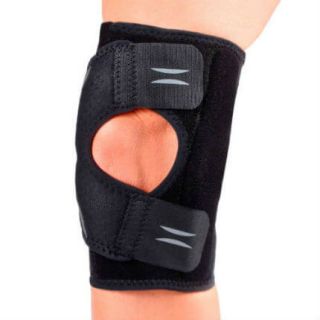
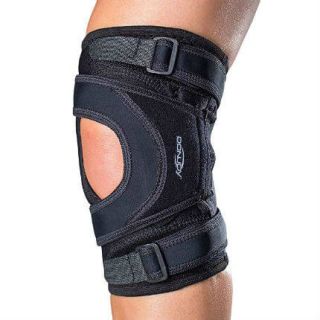
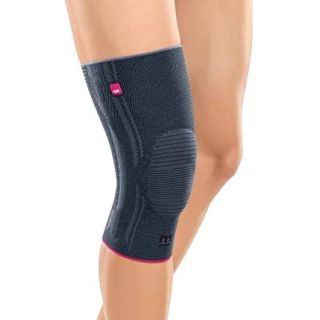
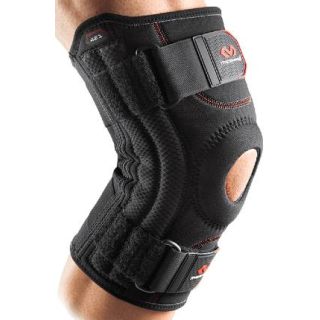
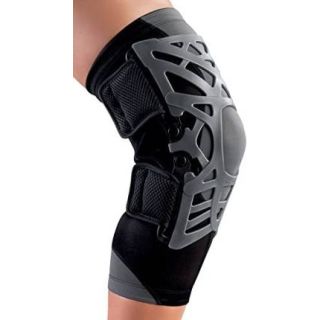
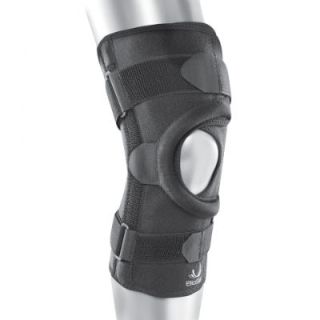
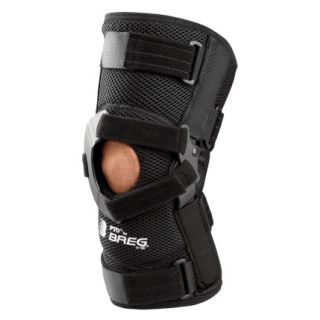
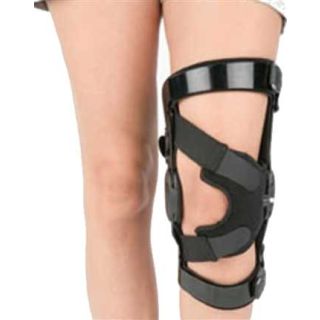
Understanding the mechanics of patella malalignment is the first step in choosing the correct support. A brace for patellar instability works by providing targeted compression and physical barriers that prevent the kneecap from tracking incorrectly (usually moving laterally or outward).
Key Features of a Patellar Stabilizing Brace
-
Lateral J-Brace: Specifically engineered for lateral patellar subluxation, these braces feature a "J" shaped tube that pushes the kneecap back toward the center of the joint.
-
Buttress Systems: Most patella stabilizing knee braces feature a padded insert (buttress). A C-shaped or U-shaped buttress provides universal stabilization, while a directional buttress targets specific drifting.
-
Dynamic Strapping: High-end patellar tracking knee braces use straps that apply increased tension as the knee bends, which is when the patella is most vulnerable to tracking errors.
Relief for Chondromalacia and Runner's Knee
For those suffering from chondromalacia patella or chronic kneecap tracking issues, medical-grade compression is vital. A patella knee stabilizing brace does more than just move the bone; it increases "proprioception"—your brain's ability to sense the joint's position—which reduces the risk of future dislocated patella episodes.
Why Quality Matters in Patella Stabilization
Cheap, drugstore sleeves often lose their elasticity quickly, failing to provide the "pull" needed for effective patellar stabilization. Our professional patella braces are made from breathable materials like Drytex and BioSkin, ensuring comfort during long-term wear while maintaining the rigid support necessary to keep your patella tracking correctly.
Quick-Start: How to Measure for a Patella Stabilizer
To ensure your patella brace tracks correctly, an accurate measurement is vital. A brace that is too loose will not stabilize the kneecap, while one that is too tight can restrict circulation.
-
Locate the Mid-Patella: While standing with your leg slightly bent (about 30°), locate the center of your kneecap.
-
Measure Thigh Circumference: Use a flexible tape measure to find the circumference of your thigh exactly 6 inches (15cm) above the mid-patella.
-
Measure Calf Circumference: Measure the circumference of your calf exactly 6 inches (15cm) below the mid-patella.
-
Compare to Size Chart: Use these two measurements to select your size. If you fall between sizes, we generally recommend choosing the larger size for sleeves and the smaller size for wraparound styles.
