
-
 Details$41.99 $33.99
 -
Details$30.99 $24.99
-
Details$53.99 $46.99
-
Details$32.99 $24.99
-
Details$16.99 $12.99
-
Details$32.99 $28.99
-
Sale - Limited Time
Details$29.99 $24.00
-
Details$25.99 $17.10
-
Details$17.99 $12.69
-
-
-
Details$25.99 $23.99
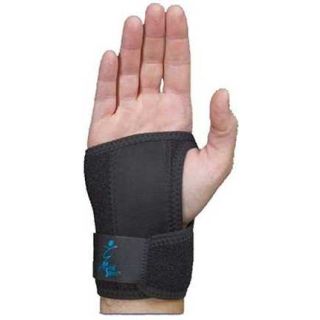
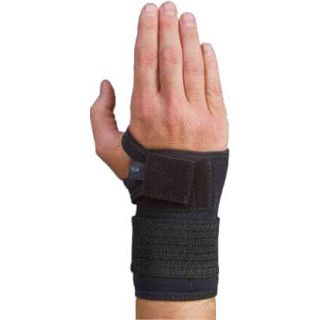
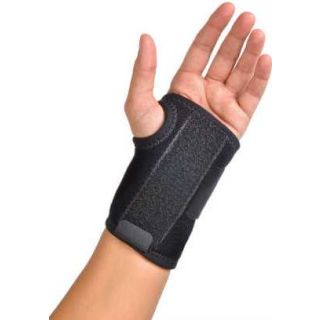
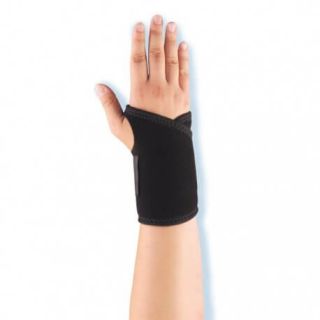
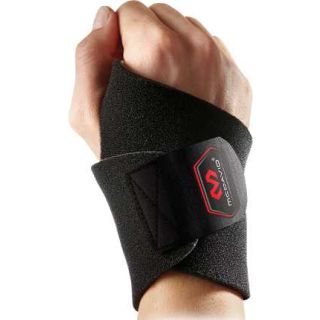
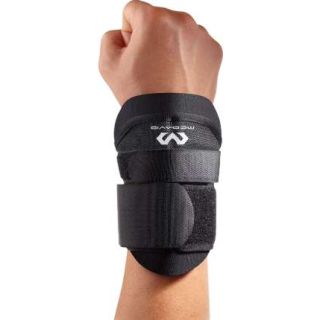
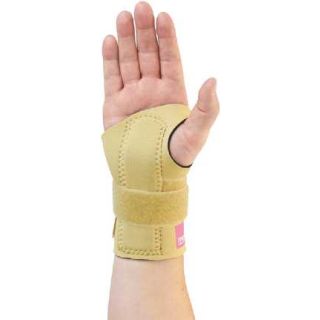

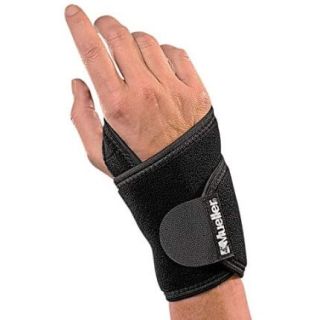
Choosing the Right Neoprene Support for Your Condition
Neoprene is a synthetic rubber known for its insulation and durability. When choosing a brace, consider whether your primary goal is immobilization or flexible support during activity.
Key Benefits of Neoprene vs. Elastic
- Heat Therapy: Neoprene’s closed-cell structure is superior for retaining heat, making it the preferred choice for chronic arthritis and cold-weather use.
- Uniform Compression: It provides a "snugger" fit that conforms to the unique anatomy of your wrist, reducing swelling (edema) more effectively than thin fabrics.
- Durability: Neoprene resists wear and tear from repetitive movements, making it ideal for labor-intensive jobs or gym workouts.
Styles of Neoprene Braces
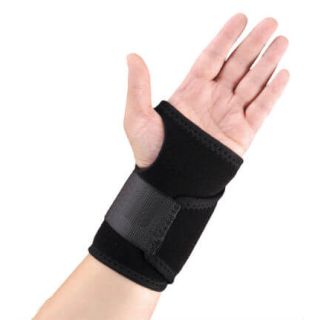
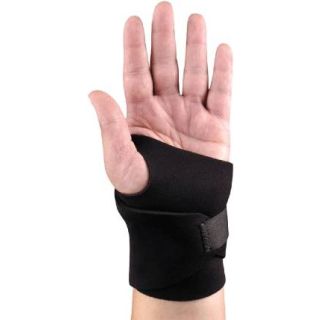
- Sleeves and Wraps: Best for mild sprains and preventive support. These allow a full range of motion while providing the warmth needed to keep tendons flexible.
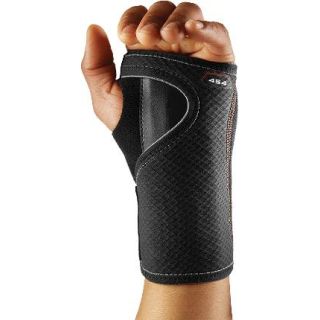
- Splinted Braces (Cock-up Style): Featuring a rigid palmar stay, these are designed to hold the wrist in a neutral position. This is the primary treatment for Carpal Tunnel Syndrome, as it prevents the wrist from dropping and compressing the median nerve during sleep.
- Post-Surgical Supports: Specialized models like the MedSpec GelFlex feature gel pads to protect surgical incisions from friction and vibration while moisturizing the skin.
Sizing and Care for Your Brace
To find the correct fit, measure your wrist circumference at the narrowest point. A proper neoprene brace should feel like a "firm hug"—secure enough to provide support but not so tight that it causes tingling in the fingers. To maintain hygiene, we recommend hand washing your brace with mild soap and air drying, as high heat can damage the neoprene’s elasticity.
