-
 Details$69.99 $57.99
 -
Details$34.95 $26.95
-
Details$71.99 $62.99
-
Details$46.99 $37.29
-
Details$17.00 $17.00
-
Details$23.99 $18.99
-
Details$42.99 $32.99
-
Details$168.99 $159.99
-
Details$48.99 $39.99
-
Details$19.99 $8.99
-
Details$169.99 $149.99
-
Details$189.99 $168.99

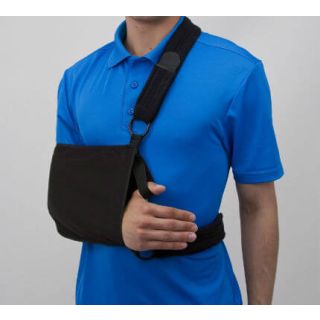
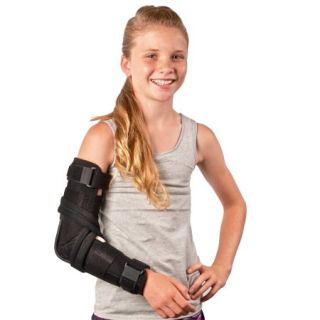
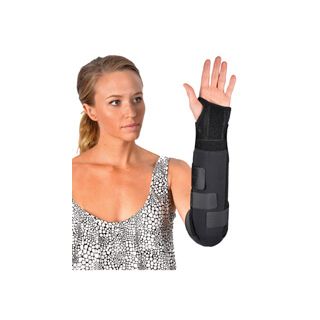
Choosing the Right Arm Splint: A Clinical Guide
When recovering from an upper extremity injury, the "fit" of your splint is as important as the diagnosis itself. To ensure your recovery stays on track, consider the following medical essentials:
What signs indicate an ill-fitting splint?
A splint that is too tight can cause nerve damage or restrict blood flow (Compartment Syndrome), while one that is too loose will fail to stabilize the fracture. You should contact your doctor if you experience:
-
Increased Pain or Numbness: Specifically a "pins and needles" sensation in the fingers.
-
Skin Discoloration: Fingertips appearing blue or pale.
-
Extreme Swelling: If the skin around the edges of the splint becomes puffy or indented.
-
Skin Irritation: Localized "hot spots" or burning under the padding, which may indicate a pressure sore.
Common Wrist Fractures Treated with Volar Splints
The Volar Splint (applied to the palm side of the wrist) is the standard of care for many common injuries, including:
-
Colles’ Fractures: A distal radius fracture where the broken end of the bone is displaced upward.
-
Smith’s Fractures: The opposite of a Colles’ fracture, where the bone is displaced toward the palm.
-
Wrist Sprains (Grade II/III): Severe ligament tears that require temporary total immobilization.
-
Carpal Bone Fractures: Excluding the thumb (which requires a Spica splint).
Understanding Splint Materials and Technology
Modern orthopedic splints have evolved beyond heavy plaster. At DME-Direct, we offer devices constructed from:
-
High-Density Polyethylene (HDPE): A lightweight, rigid plastic used in humeral braces to provide "functional compression."
-
Malleable Aluminum: Found in many volar and finger splints, allowing a healthcare provider to custom-contour the metal to your unique anatomy.
-
Breathable Neoprene and Foam: Our prefabricated splints use medical-grade, moisture-wicking liners to prevent skin maceration and improve long-term compliance.
-
Fiberglass Inserts: Offers the strength of a traditional cast with the benefit of being removable for hygiene and X-rays.
Disclaimer: The information provided is for educational purposes. Always consult with an orthopedic specialist or healthcare provider to ensure you are using the correct immobilization device for your specific fracture type.