
-
Add To Cart To See Price
 Details$2,445.80 $2,445.80
 -
Details$32.95 $28.10
-
Details$82.99 $69.99
-
Details$68.99 $57.99
-
Details$59.99 $51.99
-
Details$72.99 $57.99
-
Details$19.99 $17.99
-
Details$32.99 $25.99
-
Details$45.99 $31.99
-
Details$14.95 $11.95
-
Details$14.82 $14.82
-
Add To Cart To See Price
Details$4,174.60 $4,174.60
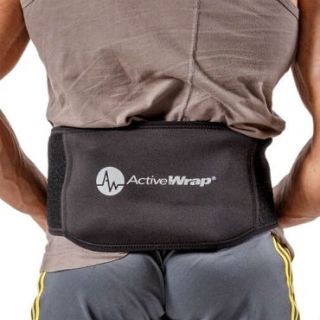
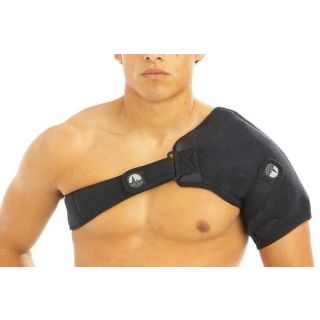

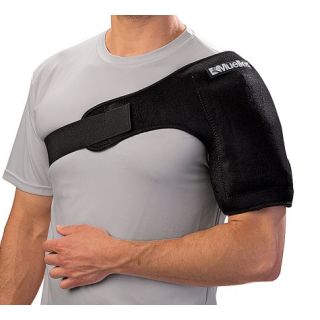
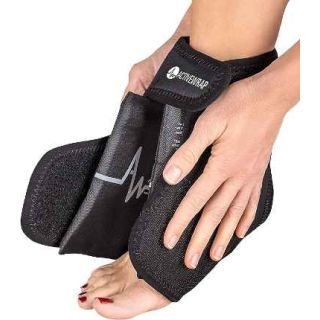
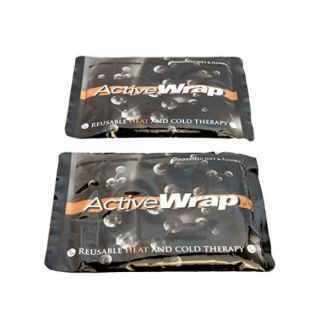
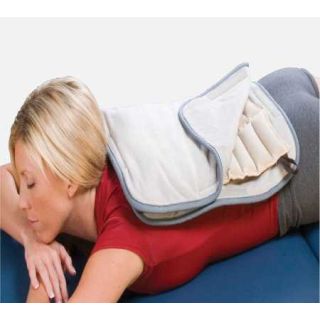
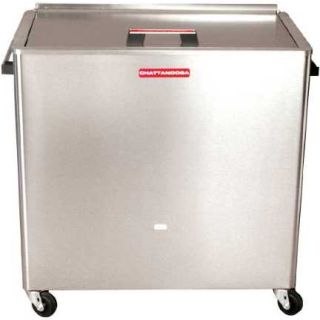
Choosing the Right Heat Therapy for Your Condition
Selecting the proper heat therapy equipment depends on the depth of the tissue and the chronicity of your pain.
Moist Heat vs. Dry Heat: Which is Better?
Most clinicians prefer moist heat therapy for treating deep-seated muscle "knots" and severe joint stiffness. Because moisture is a more efficient conductor of thermal energy than dry air, it bypasses the skin’s surface resistance to reach the underlying fascia.
-
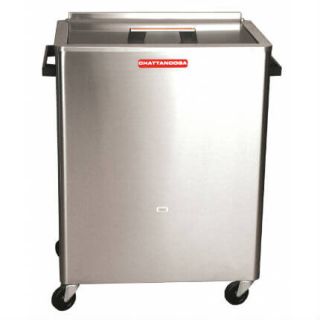
Best for Deep Pain: Use Hydrocollator packs or specialized moist heating pads for lower back spasms and hip stiffness.
-
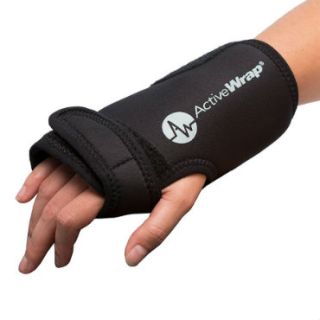
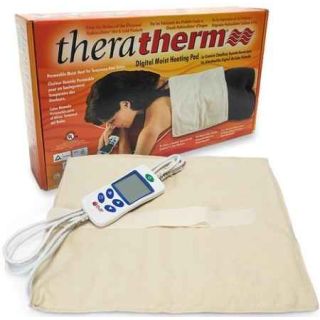
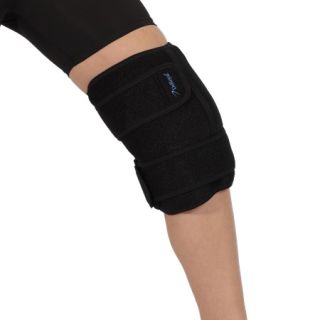
Best for Convenience: Use electric heating pads or discreet heat wraps for long-duration relief while working or resting.
| Therapy Type | How It Works | Best For... | Clinical Benefit |
|---|---|---|---|
| Moist Heat (Clinical) | Uses moisture as a high-intensity conductor to bypass skin resistance. | Deep muscle spasms, chronic back pain, and severe joint stiffness. | Deepest Tissue Penetration |
| Electric (Dry Heat) | Provides consistent, regulated infrared or thermal energy via power source. | Long-duration relaxation, office use, and stationary recovery. | Consistent Temperature Control |
| Microwavable (Cordless) | Filled with specialized beads/grains that release stored thermal energy. | On-the-go relief, localized joint pain (Ankle/Wrist), and portable comfort. | Maximum Portability |
The 72-Hour Rule for Injuries
To prevent worsening an injury, never apply heat during the "acute" phase. For the first 48–72 hours of a sprain or strain, use cold therapy to manage swelling. Once the initial inflammation has subsided, transitioning to a heat pack is vital to "wake up" the circulation and begin the restorative phase of recovery.
Understanding the Science of Recovery
When you apply a heat therapy product, you aren't just 'warming up.' You are inducing vasodilation, which expands blood vessels to deliver a surge of oxygen-rich blood to the injury site. This process also increases tissue elasticity, making the collagen in your tendons more flexible and less prone to re-injury. For the best results, clinicians recommend 20-minute sessions followed by light stretching to fully capitalize on the increased range of motion.