
-
 Details$32.99 $25.99
 -
Details$96.99 $81.99
-
Details$54.99 $37.99
-
Details$29.99 $21.99
-
Details$32.95 $28.10
-
Details$27.99 $19.99
-
Details$59.99 $51.99
-
Details$34.99 $27.99
-
Details$82.99 $69.99
-
Details$72.99 $57.99
-
Details$106.99 $89.99
-
Details$15.99 $9.49
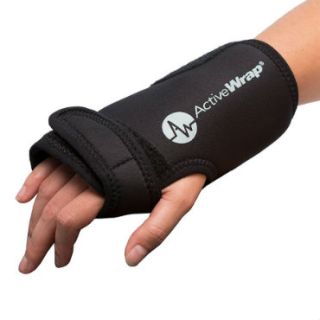
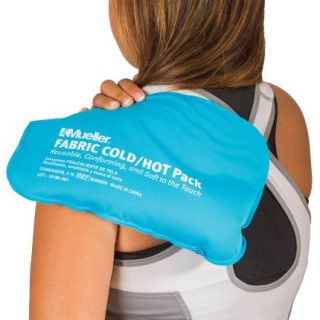
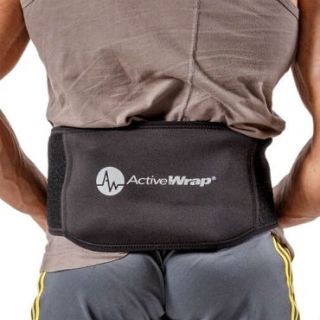

How to Choose the Best Heat Pack for Your Injury
Selecting the right heat pad depends on the depth of the tissue you are treating and your lifestyle requirements. Understanding the clinical difference between thermal technologies ensures a faster return to activity.
Moist Heat vs. Dry Heat
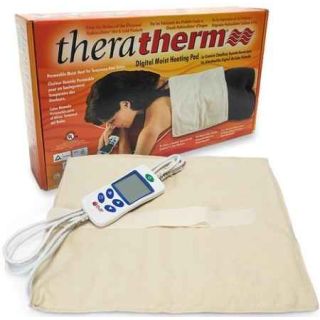
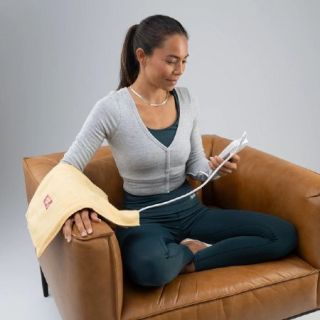
For deep-seated muscle "knots" or chronic joint stiffness, moist heat packs are often the gold standard. Moisture acts as a high-intensity conductor, bypassing the skin's surface resistance to reach deeper layers of muscle. Electric heat pads are better suited for long sessions of relaxation or treating larger areas like the entire back where consistent, dry warmth is preferred.
When to Use Heat Therapy
Heat is a powerful tool for chronic pain (lasting 4+ weeks) and muscle stiffness. By triggering vasodilation (opening blood vessels), a hot pack delivers oxygen-rich blood to damaged tissues while flushing out metabolic waste.
Clinical Tip: Always avoid heat on brand-new injuries with visible swelling. For the first 72 hours of a sprain or strain, use cold therapy to manage inflammation before switching to heat to promote healing.
Safety & Usage Best Practices
-
Session Limits: Apply heat for 10–30 minutes at a time. Using heat for longer can cause "rebound" muscle tightening.
-
Skin Barriers: Always ensure a layer of fabric exists between the heat source and your skin to prevent thermal irritation.
-
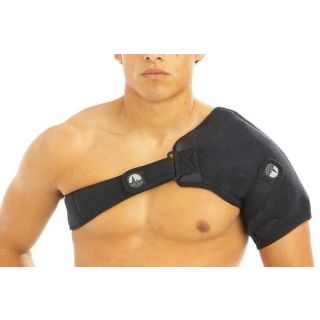
Pre-Activity Warmup: Apply a reusable heat wrap for 15 minutes before stretching to increase the elasticity of your tendons and ligaments.
