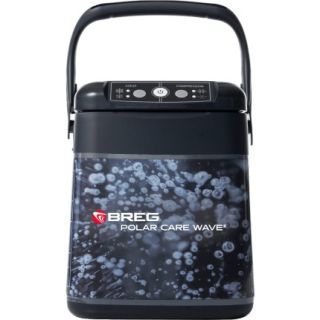
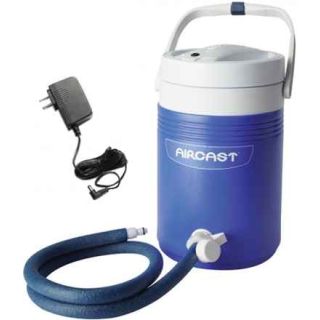
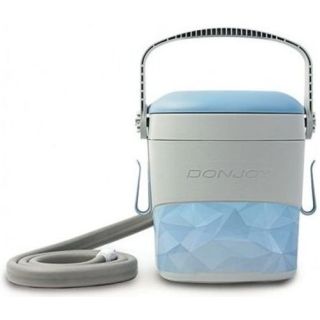
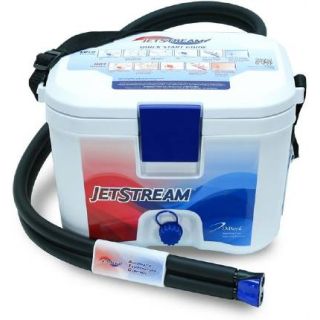
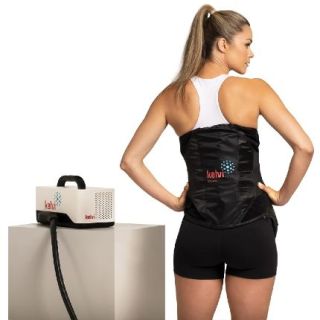
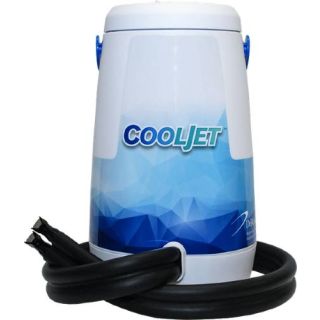
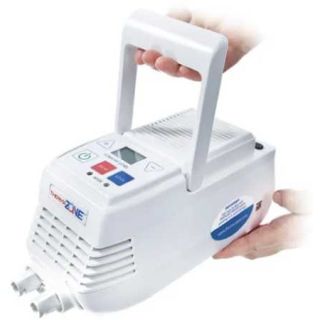
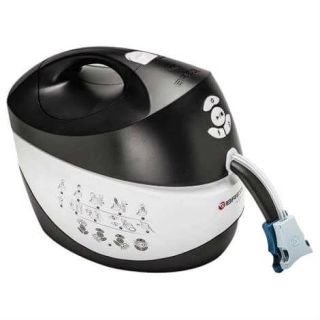
Cryotherapy Machines

Pre and Post-Op Cryotherapy: Managing Joint Pain and Swelling After Surgery
Undergoing joint surgery can be a daunting experience, often accompanied by significant pain and swelling during the recovery period. While traditional pain management methods play a crucial role, cryotherapy, the application of cold to reduce pain and inflammation, has emerged as a valuable tool for pre- and post-operative care. This guide explores the benefits of cryotherapy for joint surgery patients and provides insights into the types of cryotherapy devices suitable for home use.
Understanding the Role of Cryotherapy in Joint Surgery Recovery
Cryotherapy works by constricting blood vessels, which reduces blood flow to the treated area. This, in turn, helps to decrease inflammation, a primary source of pain after surgery. By minimizing inflammation, cryotherapy can contribute to:
- Pain Reduction: Cold therapy can numb nerve endings, reducing the perception of pain. This can be particularly helpful in managing post-surgical discomfort.
- Swelling Control: Reducing blood flow to the surgical site helps to minimize swelling, which can improve mobility and comfort.
- Faster Recovery: By managing pain and swelling, cryotherapy can facilitate a quicker return to normal activities and rehabilitation exercises.
- Reduced Need for Pain Medication: In some cases, effective cryotherapy can lessen the reliance on pain medication, potentially reducing side effects.
Types of Cryotherapy Devices for Home Use
While professional cryotherapy treatments are available, several devices are designed for convenient home use, allowing patients to manage their recovery more effectively. These devices are particularly useful for pre- and post-surgical joint care:
- Ice Packs: A classic and readily available option, ice packs can be applied directly to the affected joint. They are inexpensive and reusable, but their temperature is not consistently maintained and they can cause skin irritation if applied directly for extended periods. Consider wrapping the ice pack in a thin cloth.
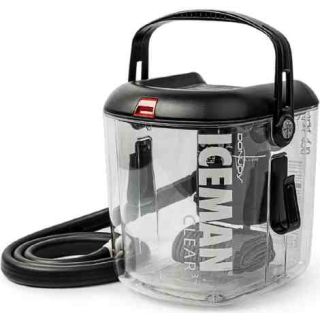
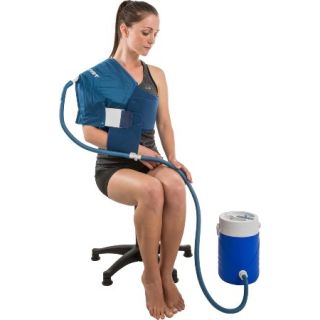
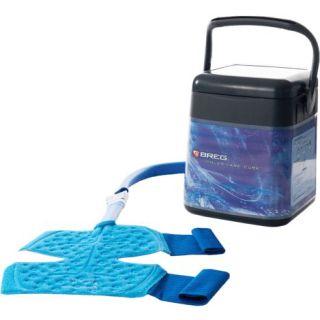
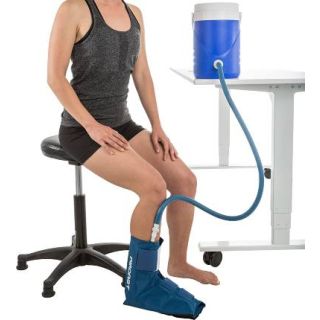
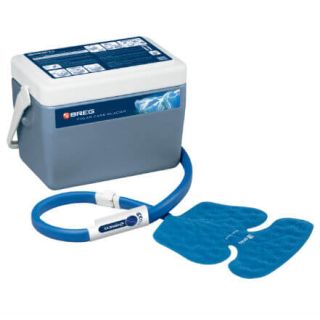
- Cold Therapy Systems: These systems consist of a device that circulates cold water through a pad applied to the joint. They offer consistent and adjustable cooling, maintaining a therapeutic temperature for longer periods than ice packs. These systems often come with different pad sizes and shapes to fit various joints.
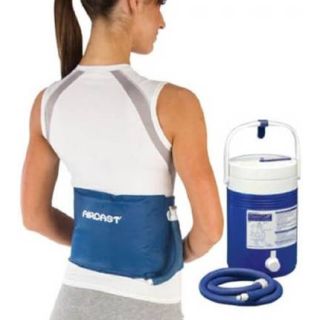
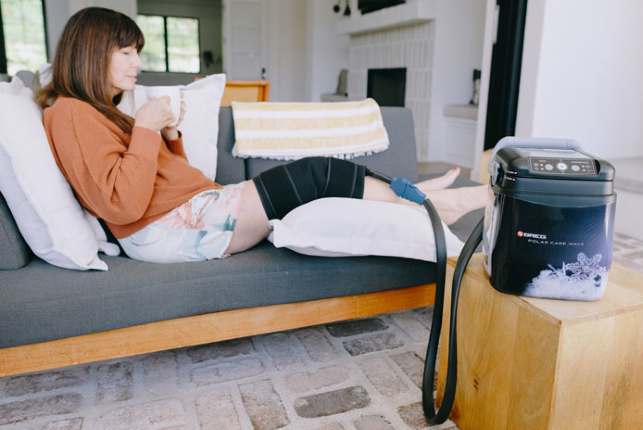
- Compression Cryotherapy Devices: These devices combine cold therapy with compression. The compression helps to reduce swelling while the cold minimizes pain. They are particularly useful for joint injuries and post-surgical recovery. Some models use specialized wraps that conform to the joint, providing both targeted cold and compression.
Factors to Consider When Choosing a Cryotherapy Device
Selecting the right cryotherapy device is crucial for maximizing its benefits. Here are some essential factors to consider:
- Type of Joint: The type of joint surgery you are undergoing will influence the type of device that is most suitable. For example, a knee surgery might benefit from a wrap-style device, while a shoulder surgery might require a different configuration.
- Ease of Use: The device should be easy to apply and operate, especially if you are recovering from surgery and have limited mobility. Look for devices with simple controls and clear instructions.
- Temperature Control: The ability to adjust the temperature is essential. You should be able to find a comfortable and therapeutic temperature range. Avoid extremely cold temperatures that could cause skin damage.
- Duration of Treatment: Consider how long you need to apply the cold therapy. Some devices are designed for shorter treatment sessions, while others can be used for extended periods. Follow your doctor's recommendations regarding treatment duration.
- Portability: If you need to move around while using the device, consider a portable model. Some devices are battery-powered or can be easily transported.
- Comfort: The device should be comfortable to wear and should not cause any discomfort or skin irritation. Look for devices with soft and flexible materials.
- Hygiene: Choose a device that is easy to clean and maintain. This is particularly important to prevent infection after surgery.
- Cost: Cryotherapy devices range in price from affordable ice packs to more expensive compression systems. Set a budget and choose a device that fits your needs and financial constraints.
- Doctor's Recommendations: Always consult with your surgeon or physical therapist before using any cryotherapy device, especially after surgery. They can provide specific recommendations based on your individual condition and surgical procedure.
Tips for Using Cryotherapy Effectively
- Follow your doctor's instructions: Your surgeon or physical therapist will provide specific guidelines on how to use cryotherapy after your surgery. Adhere to these instructions carefully.
- Protect your skin: Avoid applying ice or cold packs directly to bare skin. Wrap the device in a thin cloth to prevent frostbite or skin irritation.
- Monitor the temperature: Ensure the temperature is not too cold. You should feel a cooling sensation, but not burning or numbness.
- Limit treatment duration: Do not apply cold therapy for extended periods. Typically, 15-20 minute sessions are recommended, but your doctor may suggest a different duration.
- Combine with other therapies: Cryotherapy is often most effective when combined with other post-operative therapies, such as physical therapy and pain medication.
- Be patient: Recovery from joint surgery takes time. Cryotherapy can help to manage pain and swelling, but it is not a magic bullet. Be patient and consistent with your treatment plan.
Pre-Operative Cryotherapy
Using cryotherapy before your surgery can also be beneficial. It can help to reduce inflammation and pain in the joint, potentially making the procedure easier and improving post-operative recovery. Discuss pre-operative cryotherapy with your surgeon to determine if it is appropriate for your situation.
Disclaimer: This article is for informational purposes only and does not constitute medical advice. Always consult with your doctor or physical therapist before using cryotherapy, especially after surgery. The information provided in this article is not a substitute for professional medical advice. The authors and publishers of this article are not liable for any injuries or health problems that may result from using cryotherapy.
DME-Direct carries a large selection of professional cryotherapy machines for recovery after surgery. These machines delivered controlled cold therapy to help reduce pain and swelling after surgery to the knee, shoulder, hip, or ankle. These products are designed to be used every day to help you get back on your road to recovery quickly and safely. If you have a question about our cryotherapy machines, don't hesitate to call. Our staff of medical professionals is here to help you find the right cryotherapy device for your needs.