
-
 Details$38.99 $29.99
 -
Details$22.99 $13.99
-
Add To Cart To See Price
Details$40.00 $40.00
-
Details$89.99 $79.99
-
Add To Cart To See Price
Details$16.00 $16.00
-
Details$39.99 $30.99
-
Details$42.99 $36.99
-
Details$42.99 $31.50
-
Sale - Limited Time
Details$30.99 $28.99
-
Add To Cart To See Price
Details$72.00 $72.00
-
Details$42.99 $32.99
-
Details$47.99 $39.99

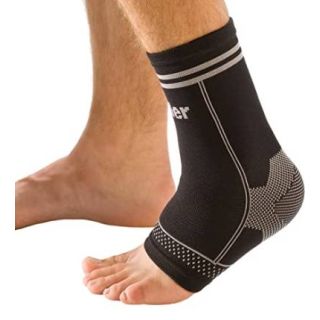

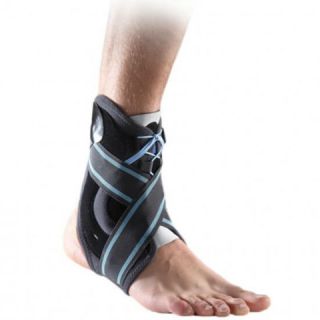
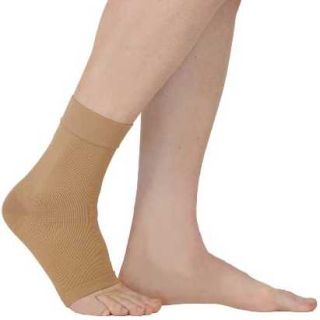
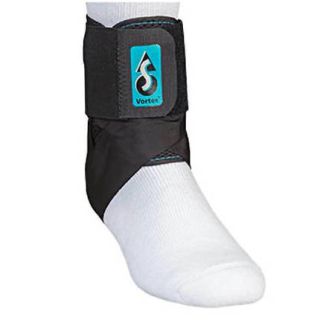
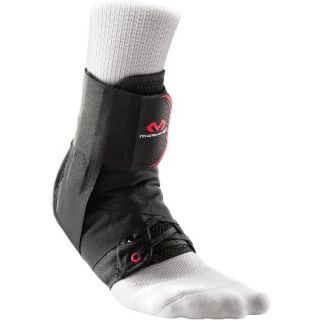
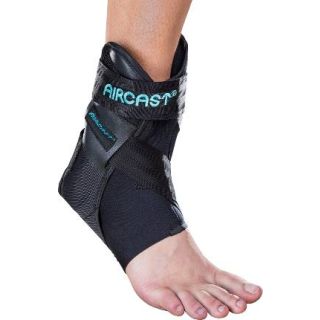
Skiing Ankle Brace Buyer's Guide: Fit and Function in Ski Boots
Ankle injuries, though less common than knee injuries in skiing, are often severe and require careful support during both recovery and return to the sport. Because a ski boot is already a stiff, high-support mechanism, a good ankle brace for skiing must be non-bulky to prevent painful rubbing and nerve compression.
Key Types of Ankle Support for Skiing
The right level of ankle support for skiing depends heavily on your injury history:
- 1. Compression Sleeves with Inserts (Mild to Moderate Support)
-
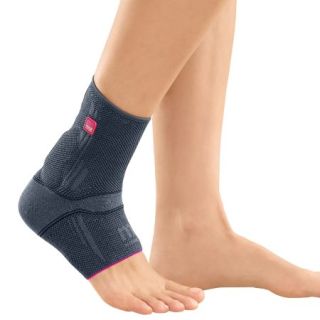
- Description: Low-profile knit sleeves (like Medi Levamed) that provide medical-grade compression.
- Benefit: They reduce swelling, improve blood flow, and often feature integrated silicone pads that massage the joint to enhance proprioception (the brain's awareness of joint position). Excellent for mild chronic pain or swelling.
- 2. Lace-Up Stabilizers (Moderate to High Support)
-
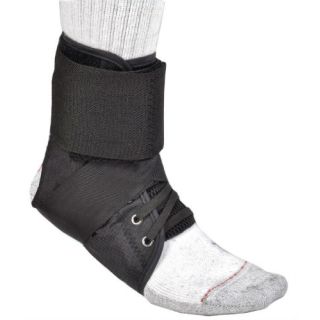
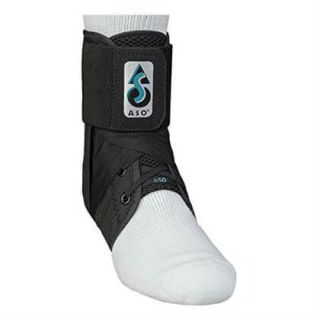
- Description: Traditional lace-up braces, often featuring a figure-8 strap system (like Med Spec ASO), to mimic the support of athletic taping.
- Benefit: Highly adjustable and provide customizable side-to-side (inversion/eversion) stability. They are clinic-trusted and thin enough to be used as a low-profile option in boots.
- 3. Semi-Rigid Braces (Maximum Low-Profile Support)
-
- Description: Braces with semi-rigid shells or stays (like Aircast AirSport) that use rigid uprights or air cells for support.
- Benefit: Provide a strong mechanical defense against twisting without restricting the essential forward/backward flexion needed for skiing. Must be specifically designed with a thin profile to fit a boot.
Crucial Considerations for Fit in Ski Boots
The most important factor when choosing a skiing ankle brace is fit. An ill-fitting brace can cause more harm than good:
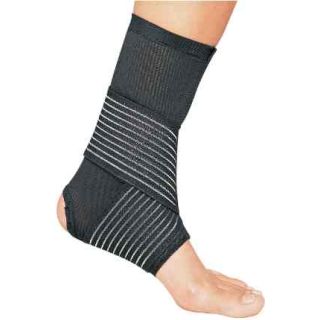
- Focus on Low-Bulk: Avoid thick, neoprene-style supports. The brace must not be bulky at the heel, around the malleoli (ankle bones), or across the top of the foot.
- Compression vs. Stabilization: If your primary issue is swelling, choose a medical-grade compression sleeve. If your issue is instability after a sprain, opt for a brace with semi-rigid stays or straps for mechanical limitation.
- The Role of the Boot: Remember, the ski boot provides inherent rigidity. The brace's main job is to provide additional compression or to limit the subtle, dangerous rotational movements before the boot takes effect.
Always consult with a healthcare professional before selecting a brace, especially if you are returning from a recent injury, to ensure you choose the right support level for your rehabilitation phase.