
-
 Details$32.99 $24.49
 -
Details$18.99 $14.99
-
-
Details$27.99 $19.99
-
Details$31.99 $22.99
-
Details$29.99 $29.99
-
Details$25.99 $11.99
-
Details$29.99 $21.49
-
Details$31.99 $27.99
-
Details$23.99 $19.62
-
Details$24.99 $20.99
-
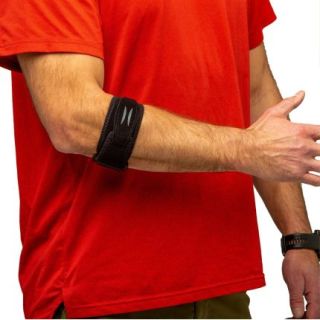
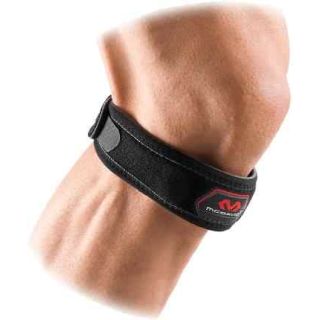
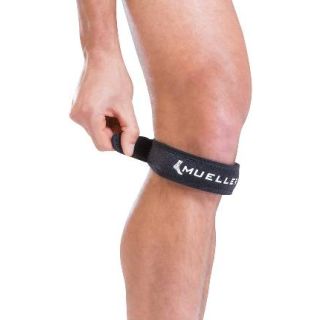
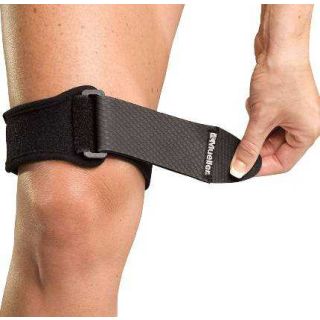
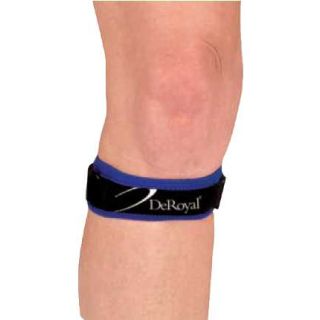
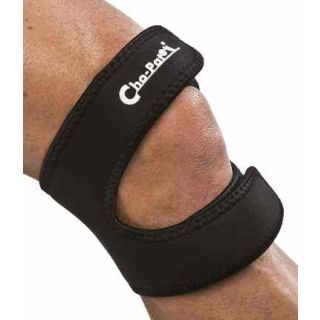
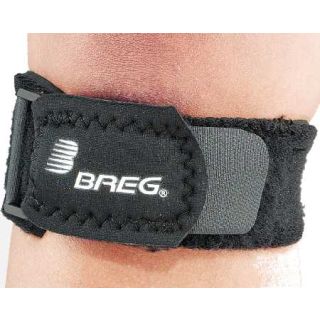
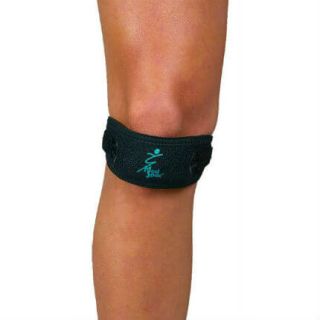
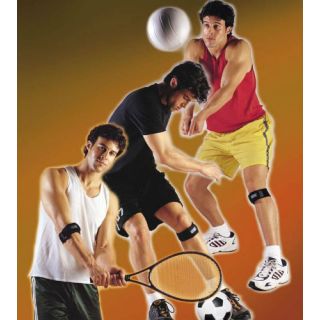
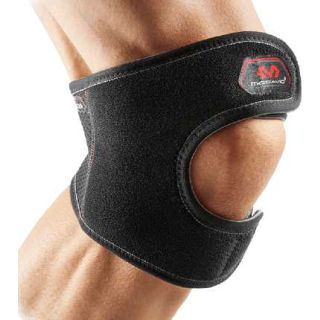
Choosing the Best Knee Strap and Band for Running
Knee straps for running have been successfully used by sports medicine professionals for years because they offer highly focused relief that traditional full knee sleeves cannot match. The choice of running knee strap depends on the specific location of your pain.
How Knee Straps Provide Targeted Relief
Knee straps work by mechanically altering the pressure on inflamed tendons, providing relief from two main types of runner's knee pain:
1. Patellar Tendon Straps (For Patellar Tendonitis / Runner's Knee)
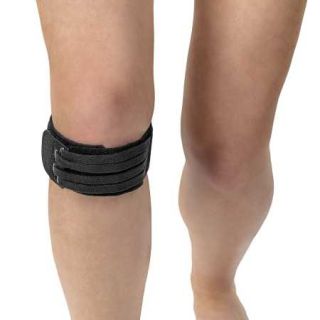
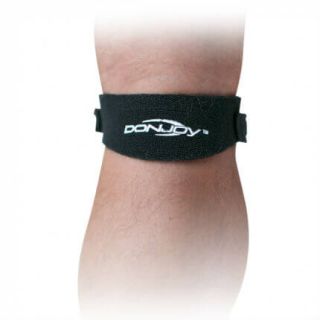
- Function: These are the most common type of knee band for running. They are worn directly below the kneecap.
- Mechanism: The strap applies focused compression over the patellar tendon, which attaches the kneecap to the shinbone. This action shortens the length of the patellar tendon lever arm, reducing the overall strain and vibration on the tendon during foot strike.
- Best For: Pain directly below the kneecap, often described as Jumper's Knee or the classic Runner's Knee pain.
2. IT Band Straps (For Iliotibial Band Syndrome)
- Function: This type of knee running band is worn slightly above the knee joint on the outside of the thigh.
- Mechanism: The strap directs compression over the lower portion of the iliotibial band closest to where it attaches by the knee. This pressure reduces friction and irritation caused by the IT band repeatedly rubbing over the bony structures of the knee during flexion and extension.
- Best For: Sharp pain on the lateral (outer) side of the knee joint.
Key Features of the Best Knee Straps for Runners
When choosing your strap or patella band for running, ensure it includes these features:
- Non-Slip Grip: The strap must stay firmly in place throughout your entire run without constant readjustment.
- Tubular or Gel Pad: Look for designs that incorporate a soft, tubular, or gel-based compression pad to apply pressure precisely over the tendon without cutting into the skin.
- Breathable Lining: Since straps are worn directly against the skin for high-sweat activity, breathable material prevents rubbing and irritation.
- Low-Profile Design: The best straps are minimal and lightweight, ensuring they won't interfere with your gait or fit awkwardly under clothing.