
-
 Details$28.99 $24.99
 -
-
Details$39.99 $29.99
-
Details$40.99 $31.99
-
Details$40.99 $32.49
-
Details$80.00 $80.00
-
Details$37.50 $37.50
-
Details$42.99 $37.99
-
Details$32.99 $25.99
-
Details$40.00 $40.00
-
Details$42.00 $42.00
-
Details$24.99 $20.61
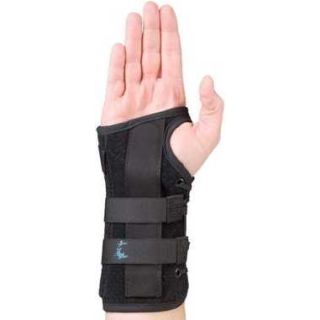
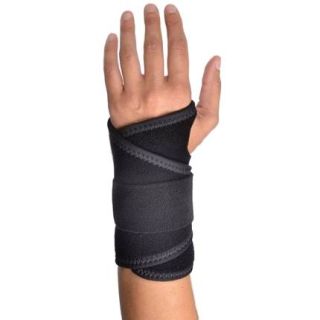

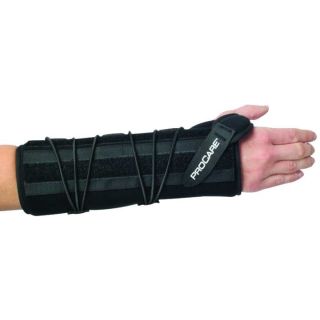
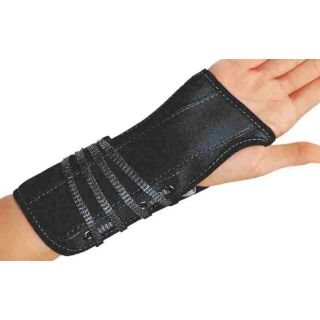
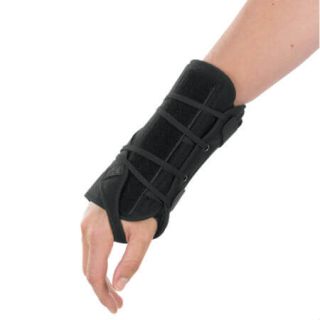
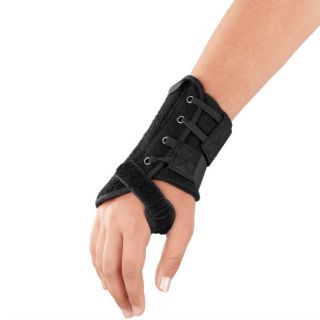
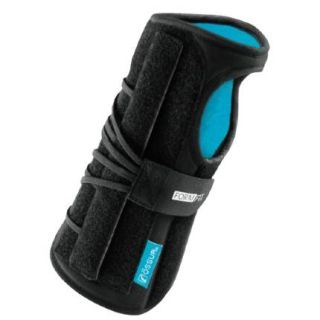
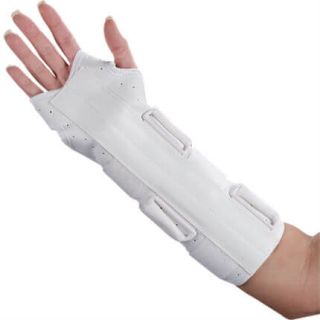
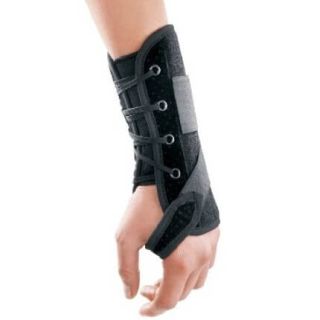
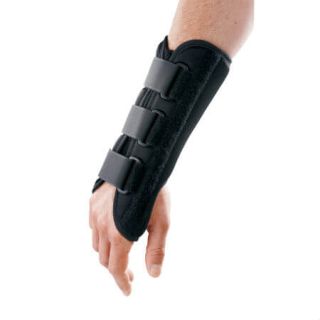
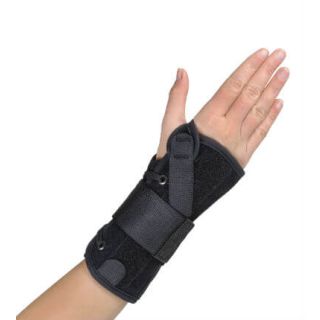
Clinical Guide: Selecting the Correct Splint Length
While a standard wrist brace provides localized support, an extended forearm splint is necessary when total immobilization of the wrist flexors and extensors is required. The length of the splint determines the amount of leverage and stabilization provided to the forearm and wrist assembly.
Splint Length & Injury Application Guide
Choosing the right length is critical for balancing protection with your daily functional needs. Below is a breakdown of how different lengths are applied in a clinical setting:
| Splint Length | Primary Use Case | Best For... |
| 6-Inch (Short) | Localized Support: Focuses strictly on the wrist joint while allowing maximum forearm mobility. | Mild sprains, repetitive strain, and early-stage carpal tunnel. |
| 8-Inch (Standard) | Enhanced Stability: The most common "medical length." Provides enough leverage to stop harmful wrist flexion. | Post-cast removal, severe carpal tunnel, and stable wrist fractures. |
| 10-Inch (Extended) | Total Immobilization: Distributes pressure across the entire forearm to rest the muscles and tendons completely. | Forearm splints, distal radius fractures, and post-surgical stabilization. |
Treating "Forearm Splints" with Compression
The term forearm splints refers to pain caused by repetitive stress on the muscles and tendons of the arm. Clinical management typically involves the RICE method. Our compression wrist splints help manage this inflammation by providing circumferential pressure and preventing the repetitive movements that aggravate the injury site.
Key Features of Medical-Grade Splints
- Rigid Immobilization: Our rigid wrist splints incorporate aluminum "spoons" or stays that can be contoured to your anatomy for post-surgical recovery.
- Thumb Spica Options: For injuries involving the radial side of the arm, a thumb spica splint stabilizes both the wrist and the thumb.
- Night Support: Many of our splints serve as effective night splints, holding the wrist in a neutral position to prevent nerve compression during sleep.
Choosing the Right Size and Fit
To ensure your forearm orthosis is effective, measure the circumference of your wrist and the length of your forearm. The splint should end just before your knuckles (distal palmar crease) to allow finger dexterity while completely neutralizing the wrist. Whether you need a soft wrist sleeve for mild support or a heavy-duty volar splint for a fracture, DME-Direct provides the physician-recommended tools for a faster recovery.
