
-
 Details$378.99 $299.99
 -
Details$31.50 $31.50
-
Details$35.99 $26.99
-
Details$79.99 $70.99
-
Details$27.95
-
Details$34.99 $25.99
-
Details$132.99 $98.99
-
Details$59.99 $51.99
-
Details$19.99 $10.99
-
Details$28.99 $22.50
-
Details$37.99 $26.99

Choosing the Best Shoulder Posture Brace for Your Needs
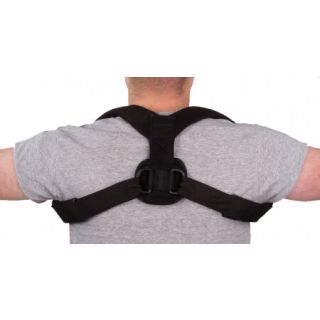
With so many options available, selecting the right shoulder brace for posture depends on your daily environment and the severity of your slouching. A shoulder posture corrector is not just a physical restraint; it is a biofeedback tool that teaches your body how to sit and stand correctly.
Types of Posture Support: Harnesses vs. Shirts
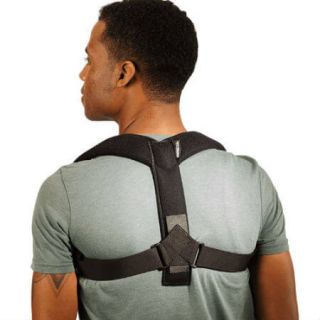
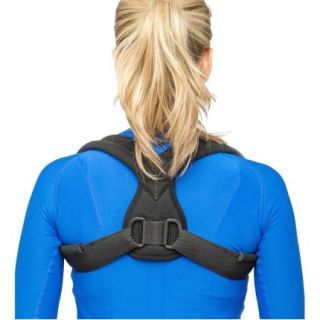
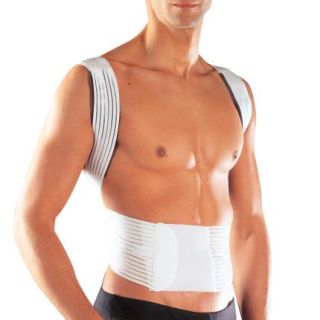
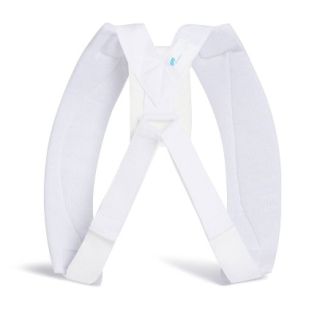
- Figure-8 Shoulder Harnesses: These provide the highest level of mechanical pull. A shoulder harness for posture is ideal for those with significant rounding or for use during focused desk work.
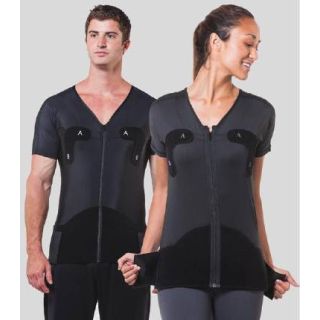
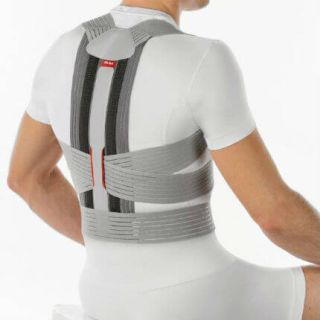
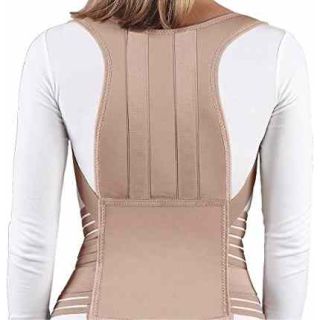
- Posture Correcting Shirts & Vests: These utilize tension panels to provide a more subtle reminder. They are the best posture braces for shoulders when you need a "second-skin" fit for the gym or the office.
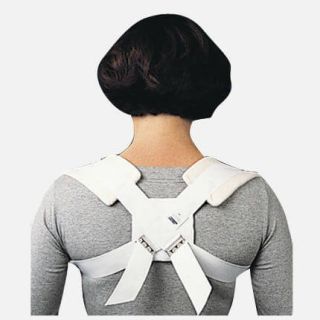
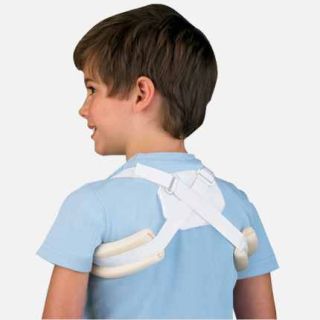
- Clavicle Braces: Often used for medical stabilization (like collarbone fractures), these offer wider straps for maximum immobilization and support.
How to Use a Shoulder Back Brace for Posture Successfully
To avoid muscle dependency, clinical experts suggest using your shoulder brace for poor posture as a training aid rather than a permanent crutch:
- Start Gradually: Wear your brace for 20–30 minutes daily during the first week.
- Increase Duration: Slowly work up to 2 hours per day as your muscles strengthen.
- Combine with Exercise: Use the brace alongside shoulder blade squeezes and core strengthening to ensure long-term results.
Clinical Features of Professional Posture Braces
Our 100,000+ satisfied customers choose DME-Direct because our shoulder posture braces prioritize two things: Breathability and Adjustability. Look for soft neoprene blends that prevent underarm chafing and "backpack-style" straps that allow for easy one-handed adjustments.
