
-
 Details$106.99 $94.99
 -
Details$359.99 $310.99
-
Details$119.95 $113.95
-
Details$159.95 $154.95
-
Details$339.95
-
Details$139.99 $99.98
-
Details$59.99
-
Details$189.99 $169.99
-
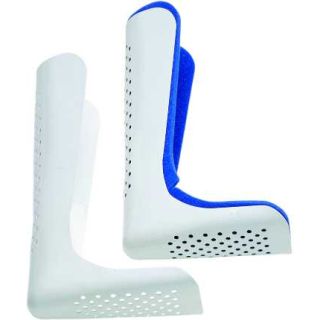
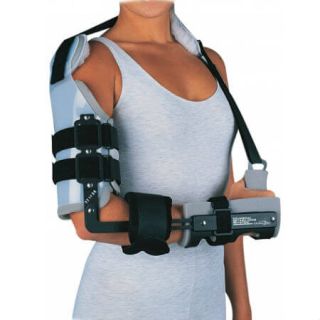
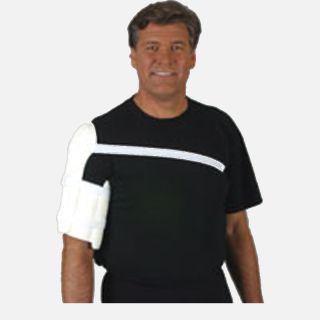

Understanding Your Fracture Immobilization Options
Selecting the right fracture splint or brace depends on the location of the break and the recommendation of your orthopedic specialist. At DME-Direct, we categorize our supports based on the specific clinical needs of the patient:
1. Upper Extremity Bracing
For fractures of the arm and hand, immobilization must protect the bone without unnecessarily freezing adjacent joints.
-
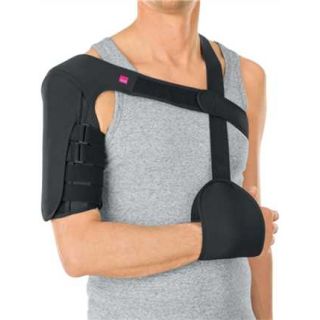
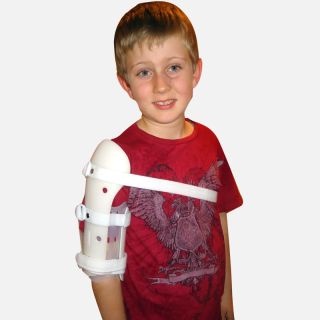
Humeral Braces: Often used for mid-shaft humerus fractures, these use circumferential compression to stabilize the bone while allowing elbow and shoulder movement (Functional Bracing).
-
Wrist & Forearm Splints: Designed for radius or ulna fractures, providing a "half-cast" rigidity that is breathable and adjustable.
2. Lower Extremity Bracing
Weight-bearing and stabilization are the priorities for leg injuries.
-
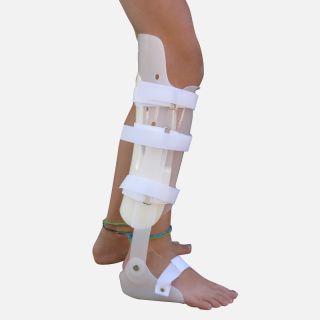
Tibial Fracture Braces: These specialized fracture braces allow for early weight-bearing in stable tibial fractures, promoting faster bone density recovery.
-
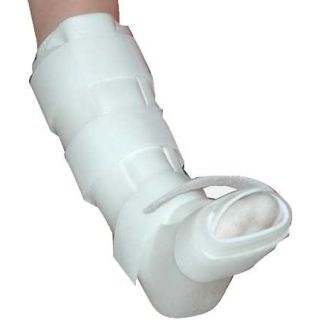
Ankle & Foot Splints: Used for metatarsal breaks or ankle stress fractures, these provide high-impact protection with custom-fit padding.
Why Physicians Choose DME-Direct for Fracture Supplies
Unlike general retail supports, our fracture splints are clinical-grade devices used in hospitals and orthopedic clinics worldwide. By offering a variety of rigid fiberglass, high-density polyethylene, and soft-padded options, we ensure that every patient finds the precise degree of immobilization needed to prevent malunion and promote safe, effective healing.
Not sure which brace matches your X-ray results? Consult with your physician to help navigate our inventory to find the correct clinical solution.