
-
 Details$46.99 $37.99
 -
Details$70.99 $59.99
-
Details$72.99 $57.99
-
Details$67.99 $61.99
-
Details$32.99 $25.99
-
Details$79.99 $71.50
-
Details$113.00 $113.00
-
Details$36.99 $28.99
-
Details$67.99 $55.99
-
Details$23.99 $18.99
-
Details$19.99 $17.99
-
Details$18.99 $11.17





How to Choose the Best Ice Pack for Shoulder Injuries
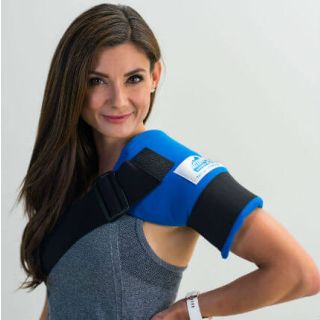
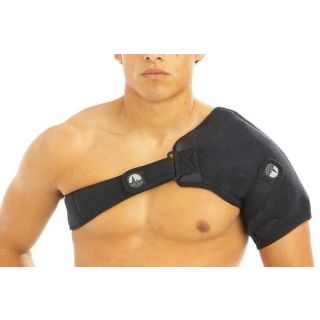
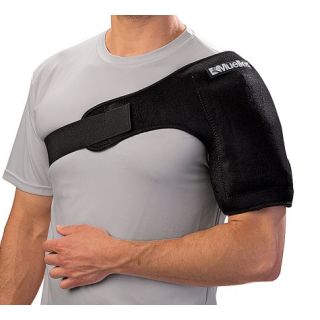
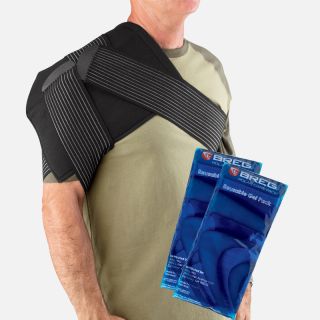
Selecting the right wrap depends on your injury phase. For acute injuries (first 48–72 hours) like a fresh rotator cuff tear, a shoulder ice wrap with high-compression is essential to limit fluid buildup. For chronic conditions such as arthritis or nagging tendonitis, many of our ActiveWrap models support both heat and ice therapy, allowing you to switch to heat after the initial inflammation subsides to improve blood flow and flexibility.
Specialized Recovery: Gel vs. Ice Machines
-
Gel Packs: Ideal for daily management and sports recovery. The ICE20 Neck/Traps Compression Wrap provides more adjustable coverage than the
Lotfancy Neck and Shoulder Gel Pack for a broad coverage area, while the ActiveWrap system uses "No-Flow" gel that won't push away from the injury site under pressure.
-
Cold Therapy Systems: For post-op recovery (like Labrum or Rotator Cuff repair), a motorized system like the Breg Polar Care Cube is often required. These units circulate cold water at a constant temperature, which is more effective than standard gel packs for the intense swelling following surgery.
Shoulder Ice Wrap Comparison
| Product Name | Best For | Therapy Type | Key Feature | Fit Style | Durability |
| Active Ice Soft Cold | Post-Op Comfort | Cold Only | Soft-touch fabric | Anatomical sleeve | Medical grade |
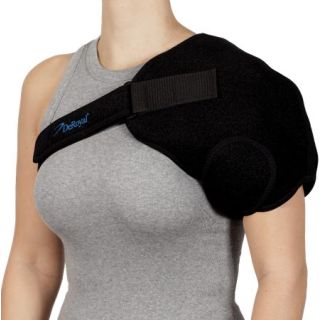
| DeRoyal Cold Therapy | Clinical Recovery | Cold Only | Hospital-grade nylon | Adjustable strap | High-use design |
| ActiveWrap Hot Cold | Versatile Recovery | Heat & Cold | Movable gel packs | High-compression | Latex-free neoprene |
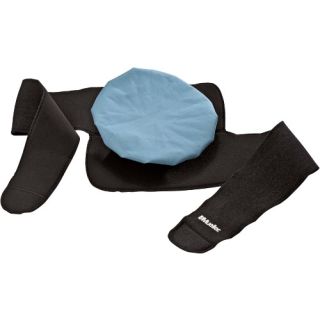
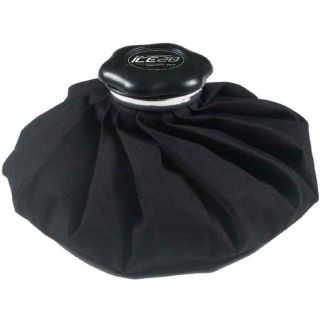
| ICE20 Single Shoulder | Targeted Compression | Real Ice Only | Refillable ice bag | 360-degree wrap | Tear-resistant |
Proper Sizing and Safety
Most of our shoulder wraps are "universal" or come in S/M and L/XL sizes. To ensure a proper fit, measure the circumference of your chest at the widest point. For users with a chest size over 42 inches, we recommend XL shoulder wraps or the Aircast XL Cryo/Cuff to ensure full coverage of the joint. Always remember to use a thin cloth barrier between the pack and your skin to prevent frostbite.