Find the Best Ankle Brace or Walking Boot for Stress Fracture Recovery
Looking for the right support after a foot or ankle stress fracture? Whether you need a low-profile ankle brace or a rigid walking boot, this guide will help you choose the most effective option for healing, comfort, and mobility.
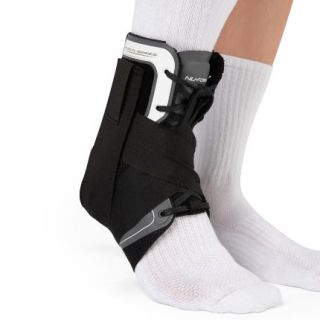
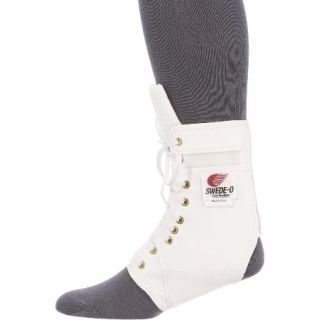
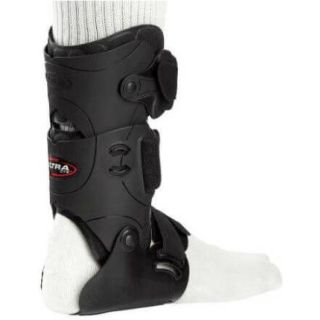
Ankle Brace for Stress Fracture: Lightweight Support for Mild Injuries
An ankle brace is often recommended for minor to moderate stress fractures, especially if your doctor allows limited mobility. These braces offer targeted support, reduce swelling, and fit easily inside shoes for daily use.
Benefits of Using an Ankle Brace
Stabilizes the ankle while allowing light activity
Reduces pain and swelling with compression
Breathable and lightweight—ideal for all-day wear
Less bulky than a walking boot
Great for home, work, or transitioning out of a boot
What to Look For:
Moderate support level
Compression fabric (neoprene, nylon)
Adjustable straps or laces for a secure fit
True-to-size fit (use sizing chart)
Easy on/off design
Shop top ankle braces for stress fractures
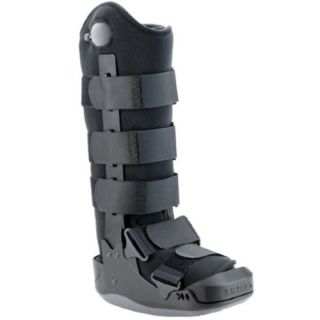
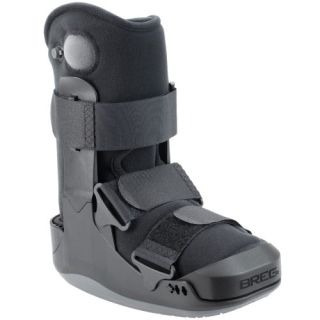
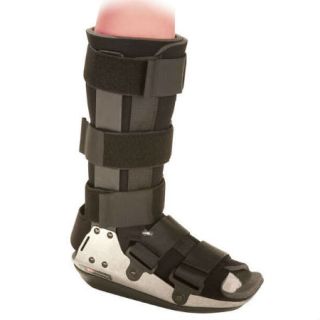
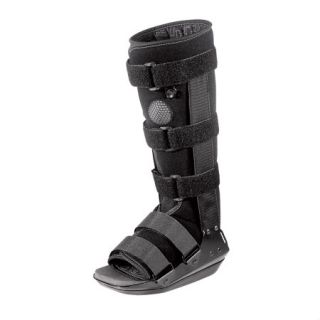
Walking Boot for Stress Fracture: Maximum Protection for Faster Healing
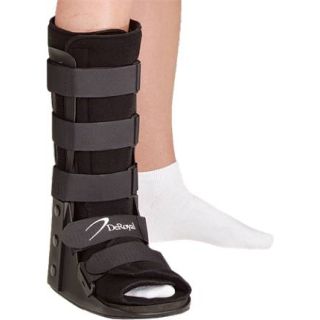
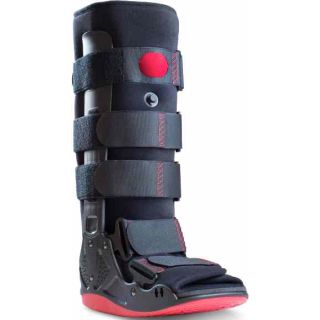
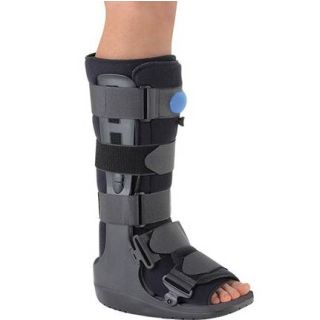
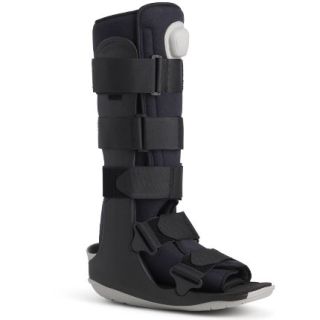
A walking boot is essential for more serious or high-risk fractures. It provides full immobilization and helps you bear weight safely during recovery, particularly for injuries in the heel, forefoot, or ankle.
Benefits of Using a Walking Boot
Rigid shell protects the fracture from further stress
Rocker sole encourages natural gait
Cushioned liner keeps your foot comfortable
Adjustable straps for swelling and snug fit
Doctor-recommended for complete rest and stabilization
What to Look For:
Hard outer shell
Shock-absorbing insole
Comfortable padding inside
Fit that allows for minor swelling
Easy-to-use closure system
Shop walking boots for stress fractures here.
Ankle Brace vs. Walking Boot: Which One Do You Need?
Use the chart below to help guide your decision—but always consult your doctor first.
Feature
Ankle Brace
Walking Boot
Best for
Mild stress fractures
Moderate to severe fractures
Mobility
Allows light movement
Limits motion completely
Weight
Lightweight
Bulkier, more protective
Usage
Home, work, post-boot phase
Initial recovery, high-risk injuries
Doctor Recommendation
Supportive aid
Full immobilization
Key Factors to Consider
Location of the Fracture: Foot vs. ankle may determine brace vs. boot
At DME-Direct, we specialize in orthopedic supports recommended by physical therapists and orthopedic surgeons. Whether you need a walking boot for a metatarsal stress fracture or an ankle brace for a hairline fracture, we’ve got the right fit.
1000+ verified reviews
Expert advice available
Fast shipping & easy returns
Need Help Choosing? Contact our experts.
Final Thoughts: Choose the Right Support for a Safer Recovery
Healing from a stress fracture starts with the right brace or boot. Follow your doctor’s instructions, choose based on your injury type, and commit to consistent use. With the right support, you’ll:
Heal faster
Stay mobile and safe
Return to activity with confidence
Shop ankle braces and walking boots today.
FAQ Ankle Brace & Boots For Stress Fracture
It depends on the severity and location of your fracture. An ankle brace may be appropriate for mild, stable stress fractures, especially if your doctor approves limited mobility. However, for more serious or unstable fractures, a walking boot provides the immobilization needed for proper healing.
Most people wear a walking boot for 4 to 6 weeks, depending on the fracture’s severity and how well it’s healing. Your doctor will monitor your progress and let you know when it’s safe to transition to a brace or regular footwear.
Only if your doctor allows it. Walking boots are often designed to support controlled weight-bearing, while ankle braces are typically used once some healing has occurred. Always follow medical advice to avoid worsening the injury.
Look for a brace that offers moderate support, compression, and adjustability. Lace-up or strap-style braces are often preferred for their secure fit and stability, especially during the later stages of recovery or when transitioning out of a boot.
Yes. Walking boots immobilize the injured area, protect it from further damage, and allow for partial or full weight-bearing as prescribed. This controlled environment promotes faster and safer healing compared to using regular shoes or going without support.
Shop ankle stress fracture brace and boot products to stabilize and reduce stress fracture pain in the foot ankle bones. Stress fractures are often caused by running and can happen to the the tibia, fibula, and calcaneus of the ankle joint. The matatarsals in the foot are also prone to these micro fracture foot injuries as well. These types of bone fractures result from over training and require rest to repair.
This bracing category features ankle stress fracture braces and a large variety of ankle stress fracture boot products to help promote healing and reduce micro-fracture bone pain at the injury site.


 Details$109.99 $94.99