
-
 Details$77.99 $68.99
 -
Add To Cart To See Price
Details$144.00 $144.00
-
Details$19.99
-
Details$44.99 $41.99
-
Add To Cart To See Price
Details$161.00 $161.00
-
Details$118.99 $91.99
-
Add To Cart To See Price
Details$156.00 $156.00
-
Details$60.00 $48.00
-
Details$44.99 $36.99
-
Details$245.99 $179.99
-
Details$78.99 $67.99
-
Add To Cart To See Price
Details$104.00 $104.00
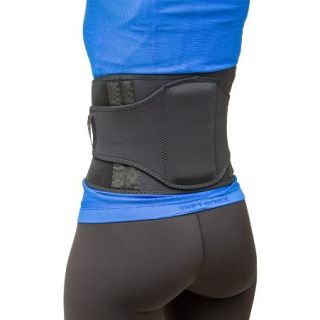
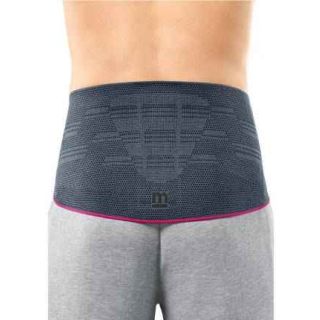
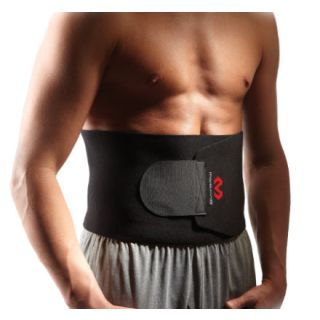
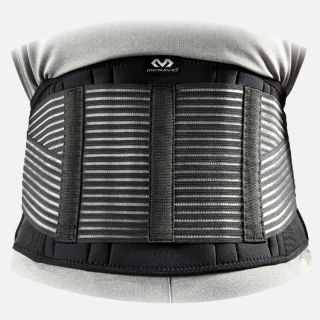
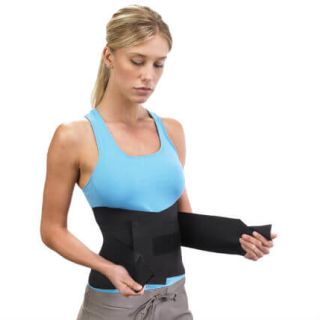
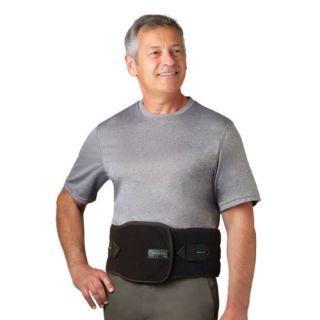
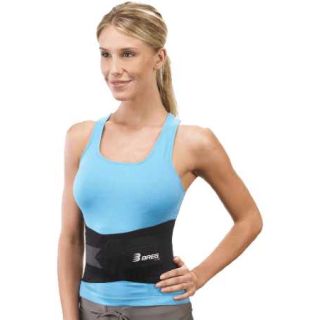
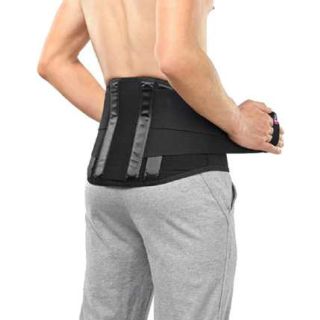
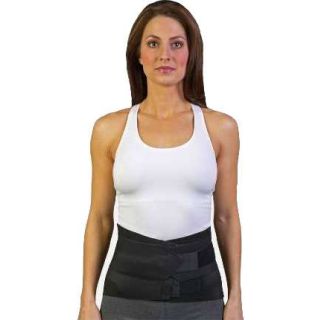
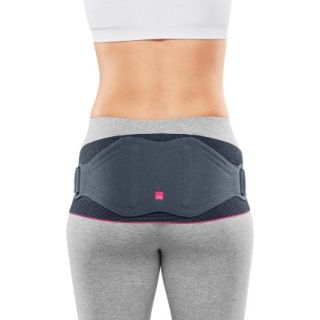
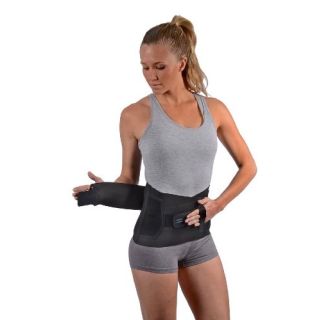
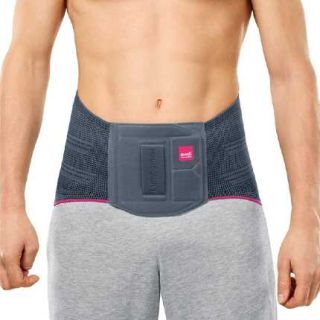
Choosing the Best Back Brace for Skiing and Snowboarding
The repetitive strain of absorbing moguls, leaning into turns, and the constant stress of maintaining an athletic stance can take a heavy toll on the lower back (lumbar region). A specialized lower back brace for skiing is designed to counteract these forces, providing core stability and therapeutic compression.
Why Skiers and Snowboarders Need Back Support
A high-quality back brace for snow skiing provides relief through two primary mechanisms:
- Core Stabilization: The brace increases intra-abdominal pressure (IAP), which acts as an internal cushion and rigid stabilizer for the lumbar spine. This is essential for controlling rotation and preventing hyperextension during abrupt movements or falls.
- Pain Reduction: By limiting excessive movement in the spinal segments, the brace reduces stress on ligaments and intervertebral discs, providing targeted relief for common issues like muscle strains, sciatica, and mild degenerative disc disease.
Key Features of a High-Performance Skiing Back Brace
Since ski gear must be durable, low-profile, and resistant to cold/moisture, consider these features:
| Feature | Importance for the Slopes |
|---|---|
| Low-Profile Design | The brace must be thin enough to fit comfortably under ski pants and jacket without bunching or restricting your forward lean. |
| Non-Stretch Compression | Look for materials (like neoprene-free wicking fabric) with non-elastic vertical elements that deliver firm, consistent support to the spine, resisting rotational forces. |
| Integrated Stays (Rigidity) | Flexible or semi-rigid posterior stays (plastic or metal) provide structure and limit hyperextension, converting a soft wrap into a true stabilizing brace. |
| Moisture-Wicking Material | Essential for both comfort and hygiene; the material must wick sweat away and resist the cold, damp conditions of winter sports. |