
Buyer's Guide: Finding the Right Hockey Mouthguard
Understanding Mouthguard Types for Ice Hockey
The level of protection, comfort, and breathability largely depends on the type of mouthguard you choose:
- Custom-Fit (Dental Lab/Advanced): These offer the highest level of protection and retention. A custom hockey mouthguard is made from a mold of your teeth, ensuring maximum comfort, minimal interference with breathing or speaking, and superior shock diffusion across the entire jaw. This is often the preferred choice for serious athletes or those with previous dental trauma.
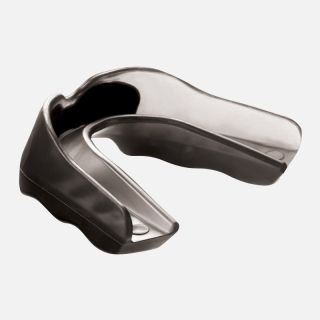
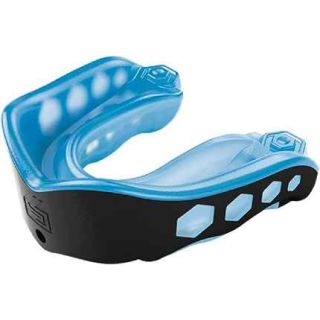
- Boil-and-Bite: The most popular option. Made from thermoplastic material, you soften them in hot water and then bite down for a semi-custom fit. Look for multi-layer versions for better absorption and a close fit to prevent sliding during hard checks.
- Stock/Pre-Formed: These are ready-to-wear but offer the least ideal fit, making speech and breathing difficult. We generally recommend choosing a better-fitting option for the intensity of ice hockey mouthguards.
The Best Hockey Mouthguard for Braces
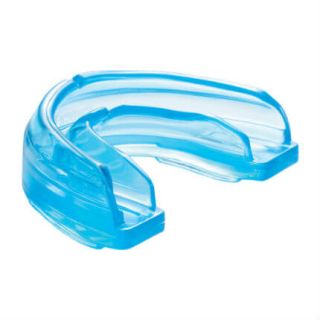
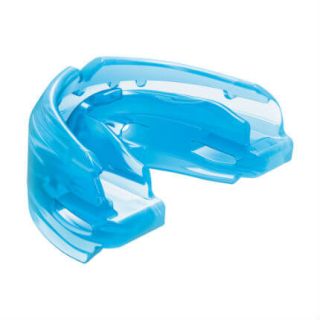
If you wear orthodontics, standard boil-and-bite mouthguards can cause issues with wire and bracket adjustments. It is critical to select a mouthguard specifically designed to accommodate braces.
- Orthodontic-Specific: Look for a material that can be re-molded to adapt to tooth movement, or one with a special channel designed to sit over the brackets.
- Protection Focus: These models prevent cheek and lip lacerations from the brackets during impact, which is a major risk for players with braces.
Essential Safety Standards: NOCSAE Certified Protection
For guaranteed safety, always choose a product that meets industry standards. In ice hockey, the NOCSAE (National Operating Committee on Standards for Athletic Equipment) stamp is the primary certification ensuring the mouthguard meets strict requirements for shock absorption and material durability.
NOCSAE-certified ice hockey mouthguards are tested to ensure they effectively absorb impact and distribute the force away from the brain and jaw, minimizing the risk of severe injury. All top-performing mouthguards on our site meet or exceed these standards.
Care and Maintenance Tips for Longevity
To maintain hygienic protection and extend the life of your best hockey mouthguard, follow these simple steps:
- Rinse Immediately: Always rinse your mouthguard with cold water after every game or practice to remove saliva and debris.
- Deep Clean Weekly: Soak it once a week in a mouthguard cleaning solution (or a 50/50 mix of water and mouthwash) for 15-30 minutes.
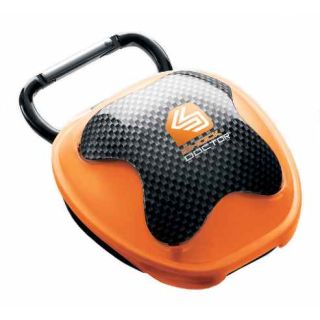
- Storage: Store the mouthguard in a ventilated case when not in use. Do not store it in direct sunlight or high heat, as this can distort the shape, especially boil-and-bite and custom hockey mouthguards.
- Replacement: Replace your mouthguard at least once per season, or immediately if you notice tears, holes, or a significantly changed fit.
A Note on Field Hockey vs. Ice Hockey Mouthguards
While both sports require mouthguards, the impact dynamics are different. Our selection focuses primarily on the lateral and frontal impacts common in ice hockey mouthguards—impacts often associated with contact with the boards, sticks, pucks, or heavy checks.
If you are searching for a field hockey mouthguard, most of the quality boil-and-bite or custom options on this page will still be suitable, but their performance is optimized for the intense, fast-paced nature of the rink.