
-
Add To Cart To See Price
 Details$104.00 $104.00
 -
Details$77.99 $68.99
-
Details$64.99 $54.99
-
Add To Cart To See Price
Details$161.00 $161.00
-
Details$149.99 $139.99
-
Details$78.99 $67.99
-
Details$139.99 $89.99
-
Details$41.99 $35.95
-
Add To Cart To See Price
Details$144.00 $144.00
-
Details$76.99 $65.99
-
Add To Cart To See Price
Details$156.00 $156.00
-
Details$37.99 $29.99
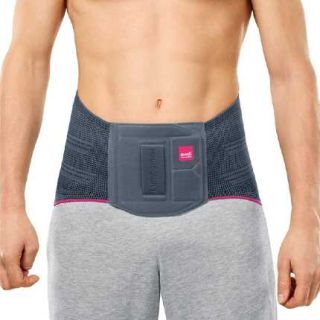
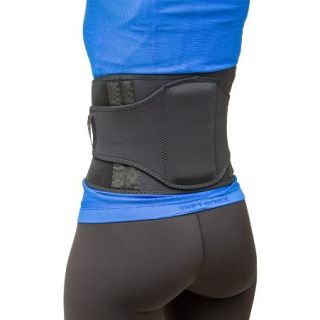
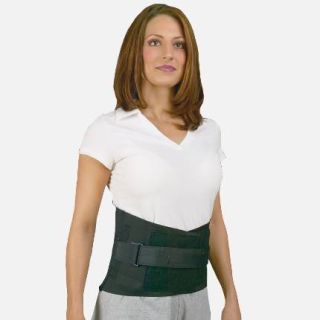
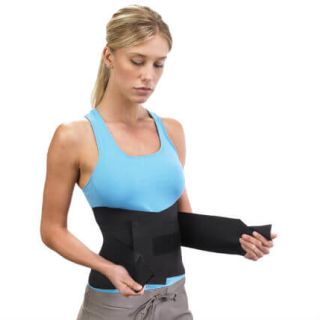

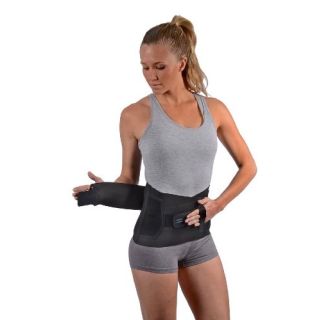

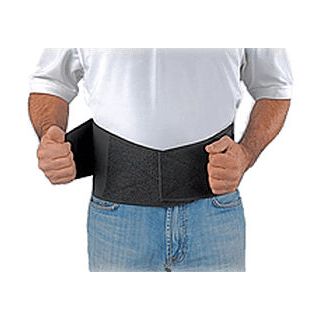
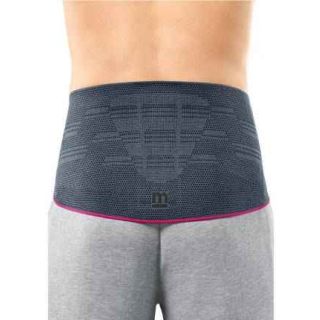
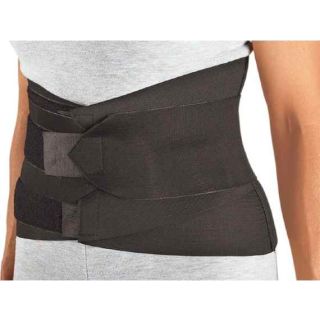
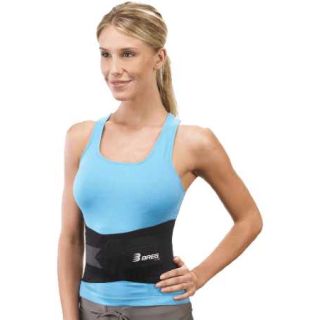
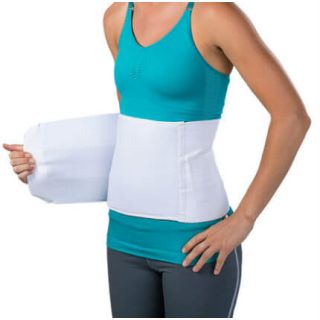
How to Find the Best Back Brace for Cycling
The best back brace for cycling must balance two competing needs: stabilization and mobility. Because cycling is a repetitive motion sport, a brace that is too rigid will lead to chafing and restricted breathing, while one that is too flimsy won't protect your lumbar discs from the impact of the road.
Anatomical Design & Handlebar Position
When choosing back braces for cycling, consider your riding posture. Road cyclists in a deep "drop" position require a brace with a tapered front to prevent the material from bunching against the stomach. Mountain bikers often prefer a brace with reinforced stays to handle the vertical shocks of off-road terrain.
Core Activation vs. Passive Support
Modern cycling back supports do more than just hold you up; they use medical-grade compression to activate your core muscles. By improving the feedback between your back and your brain, a high-quality back brace for cycling helps you naturally maintain a flat back, reducing the risk of herniated discs and muscle strains over time.
Integration with Cycling Gear
Look for features like silicone grippers and breathable mesh panels. These ensure your brace stays perfectly in place against your skin or base layer, even when you're sweating or moving out of the saddle for a sprint. Compatibility with bib shorts and jerseys is key to a comfortable, distraction-free ride.