
When to Choose a Shoulder Immobilizer vs. an Arm Sling
Understanding the level of restriction needed is vital for pediatric healing:
-
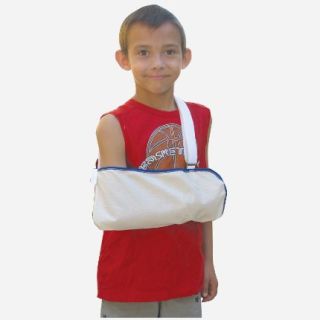
Pediatric Arm Slings: Best for minor sprains, "nursemaid’s elbow," or supporting the weight of a heavy plaster cast. It allows for some movement but prevents the arm from hanging.
-
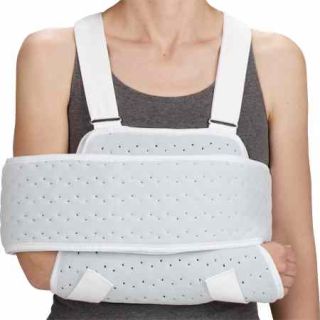
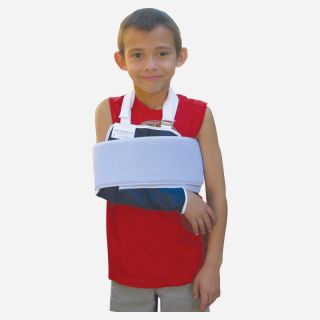
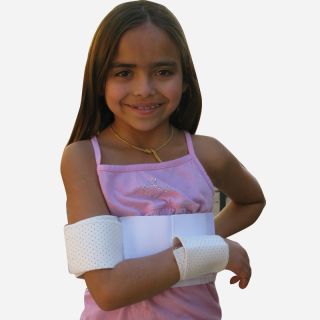
Pediatric Shoulder Immobilizers: These feature a waist strap (swathe) that locks the arm against the torso. This is the gold standard for shoulder dislocations and proximal humerus fractures because it eliminates abduction and rotation.
-
Sling and Swathe Designs: Often preferred for toddlers and active children, the swathe ensures the child cannot "escape" the brace or accidentally swing the arm during play.Sizing for Infants, Toddlers, and Youth
Sizing for Infants, Toddlers, and Youth
A shoulder brace that is too large will allow the shoulder to "drop," causing pain and improper healing.
-
Infant & Toddler Sizes: These models, like the Hely Weber Tiny GUS, are scaled for smaller torsos to ensure the wrist and elbow are supported at the correct 90-degree angle.
-
Measuring Tip: Measure the distance from the back of the elbow to the base of the knuckles. If the sling is too short, it will cause "wrist drop" and discomfort.
| Hely Weber Tiny GUS | FLA Pediatric Immobilizer | RCAI Pediatric Immobilizer |
| Best For: | Best For: | Best For: |
| Everyday Slings & Sprains | Sling and Swathe / Fractures | Post-Surgery / Severe Trauma |
| Key Feature: | Key Feature: | Key Feature: |
| Ultra-Soft Patient Comfort | Deep Pocket for Secure Fit | Adjustable for Infant to Youth |
| Restriction Level: | Restriction Level: | Restriction Level: |
| Moderate | High (Full Immobilization) | Maximum |
