
-
 Details$157.99 $135.99
 -
Sale - Limited Time
Details$199.99 $154.80
-
Details$44.99 $36.99
-
Add To Cart To See Price
Details$57.59 $57.59
-
Sale - Limited Time
Details$189.99 $147.99
-
Details$75.99 $61.99
-
Details$74.99 $64.99
-
Details$98.00 $78.99
-
Add To Cart To See Price
Details$82.79 $79.99
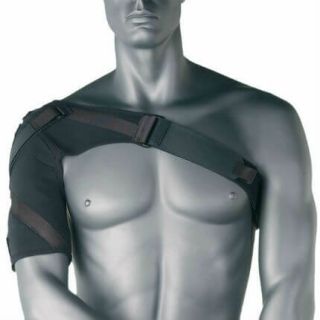

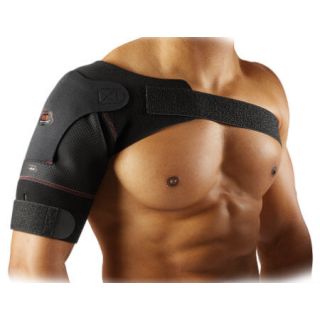
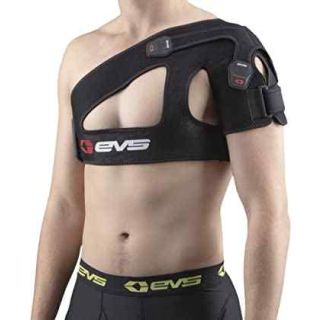
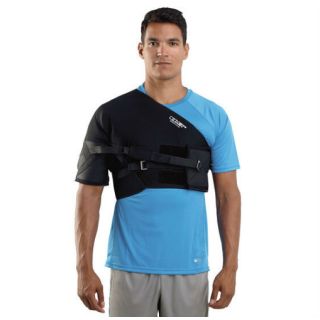
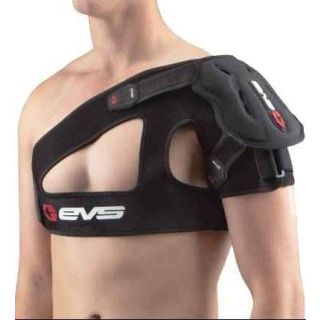
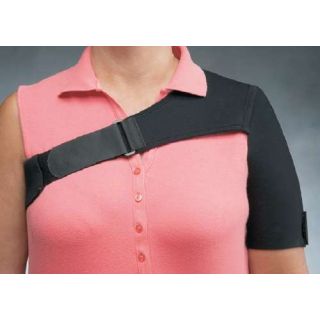
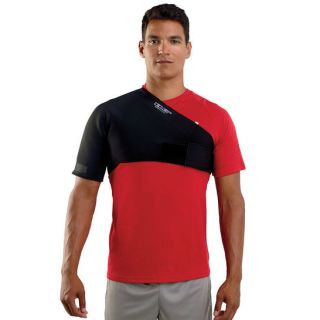
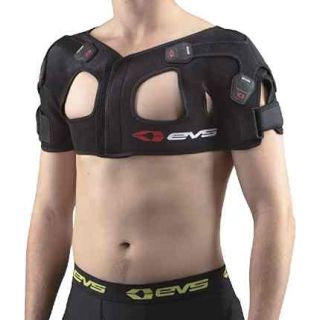
Skiing Shoulder Brace Buyer's Guide: Protection Against Dislocation
A skiing shoulder brace is not a soft sleeve. It is a technical support device specifically engineered to provide mechanical stability and proprioceptive feedback to the shoulder, which is the body's most mobile and least stable joint. The primary function on the slopes is to protect the shoulder from positions that lead to dislocation.
When to Wear a Shoulder Brace for Skiing
A shoulder brace is highly recommended for individuals with the following conditions:
- Shoulder Dislocation History: The number one reason skiers wear a brace is to prevent recurrent anterior (forward) dislocations. The brace restricts the arm's movement away from the body (abduction) and outward rotation.
- Labral Tears/Instability: Damage to the labrum (the ring of cartilage around the socket) leads to instability. A brace helps contain the head of the humerus in the joint socket.
- Rotator Cuff Strain: While less common than dislocation, a functional brace can provide compression and support to the rotator cuff muscles, aiding in pain management and recovery.
Key Features of a Functional Shoulder Brace for Skiing
Due to the complexity of the shoulder and the need to wear the brace under outerwear, specific features are non-negotiable:
| Feature | Benefit for Skiers |
|---|---|
| Non-Restrictive Design | The brace must stabilize the joint without hindering necessary arm movements for pole planting or maintaining balance. Look for slings/straps that restrict only the extreme, dangerous range of motion. |
| Low-Profile and Slim | The brace needs to be worn discreetly under a jacket or even a mid-layer. Thin, moisture-wicking materials are essential for comfort and avoiding bulk. |
| Targeted Compression | Neoprene or breathable stretch materials provide therapeutic warmth, which can improve circulation and reduce joint stiffness in cold conditions. |
| Adjustable Straps | Shoulder braces require precise fitting to function. Look for multiple attachment points (chest, bicep, and torso) to customize the level of restriction. |
If you have experienced a shoulder separation (AC joint) or dislocation, it is highly recommended to consult with an orthopedic specialist before selecting a dislocation shoulder brace for skiing and returning to high-impact activity.