
-
 Details$27.99 $18.99
 -
Details$29.99 $22.99
-
Details$32.99 $26.99
-
Add To Cart To See Price
Details$48.00 $48.00
-
Details$28.99 $23.50
-
Details$32.99 $24.49
-
Details$24.99 $17.99
-
Add To Cart To See Price
Details$39.00 $39.00
-
Details$44.99 $19.80
-
Details$54.99 $38.99
-
Details$29.99 $20.85
-
Details$21.99 $11.99
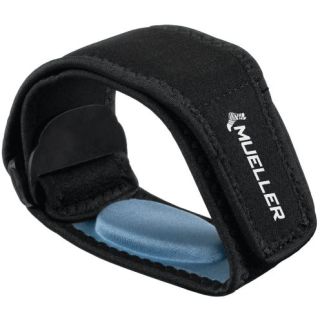
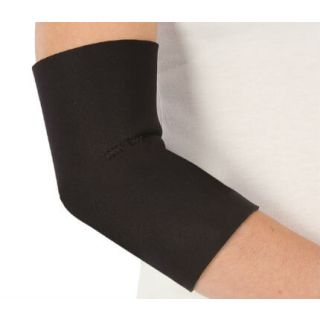
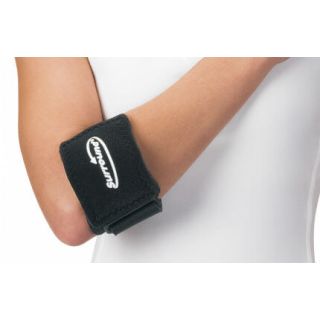
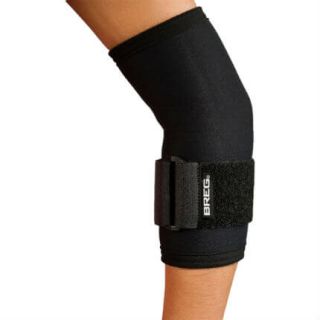
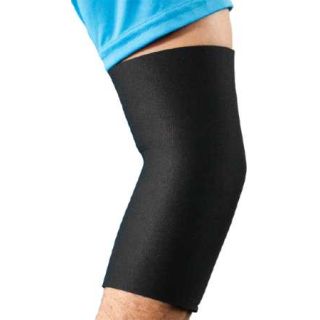
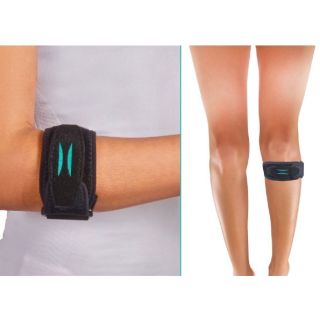
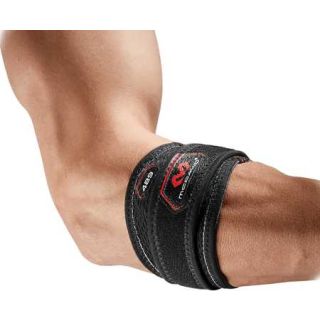
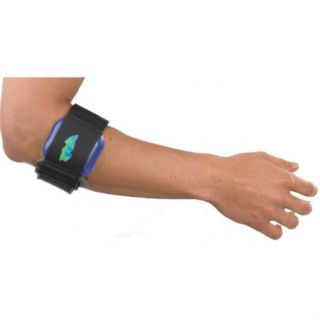
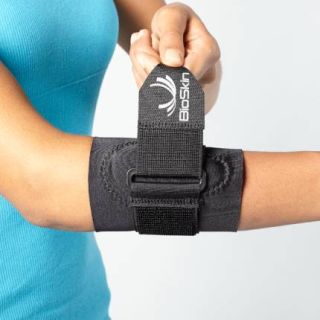
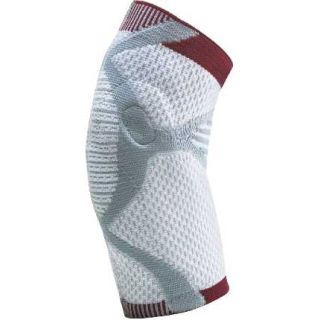
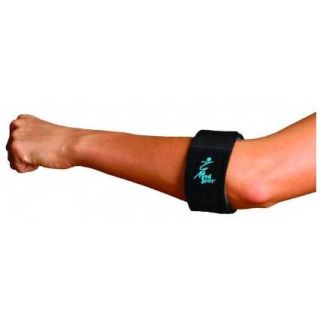
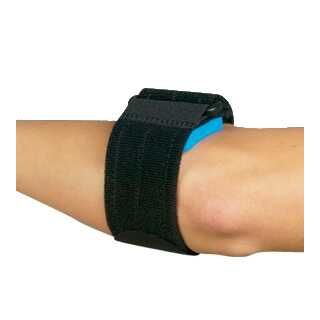
The Complete Guide to Choosing and Using Your Golfer's Elbow Brace
Golfer's elbow, clinically known as medial epicondylitis, is a common overuse injury that causes pain on the inner side of your elbow and forearm. Despite the name, it affects anyone engaging in repetitive wrist and finger flexing, gripping, or throwing-including golfers, baseball pitchers, tennis players, and manual laborers. The pain is caused by inflammation and micro-tears in the tendons that attach your forearm muscles to the inner elbow bone.
The Power of the Counterforce Brace
The most effective treatment for this condition is often a specialized strap called a counterforce brace for golfer's elbow (or a forearm brace for golfer's elbow).
-
Mechanism of Action: A counterforce brace is designed to apply targeted pressure to the muscle belly in the forearm, creating a new anchor point for the muscle. This essential mechanism shifts the stress and tension away from the painful, inflamed tendon insertion site at the elbow bone, allowing it to rest and heal.
-
Targeted Relief: This biomechanical principle is why a proper golf elbow brace can provide significant, immediate relief during activities like gripping, carrying, or swinging.
Correct Placement: How to Wear Your Golfer's Elbow Brace
To ensure the brace functions as a true counterforce and relieves your pain, proper placement is critical. A golfer's elbow brace is not worn on the elbow joint.
-
Locate the Pain Point: Find the spot on the inner side of your elbow that is most tender (the medial epicondyle).
-
Position the Brace: Place the padded section of your elbow golf brace approximately one to two finger-widths below the painful bony bump. It should rest over the thickest part of the forearm muscle belly.
-
Secure the Fit: Tighten the strap until it feels snug and supportive during activity, but never so tight that it causes numbness, tingling, or skin discoloration.
Choosing Your Support: Strap vs. Compression Sleeve
When looking for the ideal golf elbow brace, you have two main styles, each with a different purpose:
| Brace Type | Ideal For | Key Function |
| Counterforce Straps | Acute pain, use during high-strain activities (sports, work). | Applies targeted, focused pressure to redirect tension away from the tendon. |
| Compression Sleeves | Mild pain, general recovery, warmth, and joint stability. | Provides general compression to reduce swelling and increase circulation to the area. |
For maximum effectiveness during activities that trigger your pain, a dedicated counterforce brace is the recommended choice. Compression sleeves can be an excellent adjunct for all-day warmth and post-activity recovery.
When to Wear Your Brace
Experts recommend wearing your forearm brace for golfer's elbow only during activities that cause or involve the movements that trigger your pain (e.g., golfing, weight training, or occupational tasks). You should generally not wear a compression brace while sleeping, as it may affect circulation.