
-
 Details$36.99 $24.35
 -
Details$26.99 $17.99
-
Details$22.99 $18.99
-
Details$25.99 $16.99
-
Details$20.99 $14.99
-
Details$16.50 $15.95
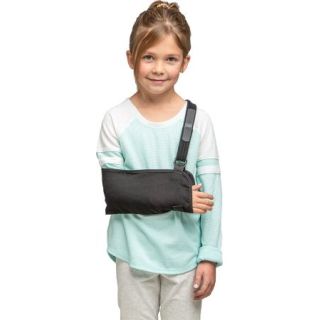
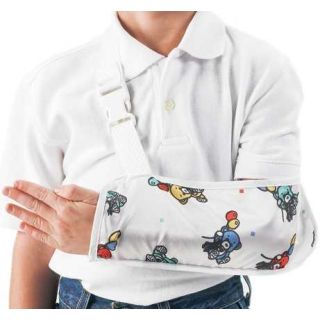
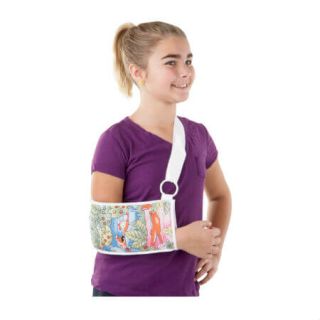
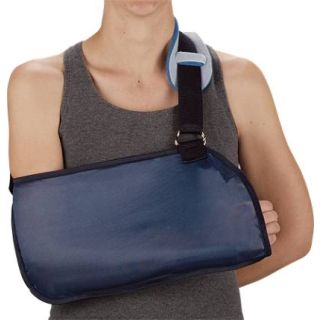


Pediatric Arm Sling Buying Guide: Sizing, Care, and Use
Selecting a kids' arm sling involves more than just picking a color; it requires a precise fit to ensure medical efficacy. Use the information below to choose the right model for your child's specific injury.
Infant & Baby Arm Sling Sizing
For newborns and toddlers, a sling that is too large will allow the arm to shift, leading to further irritation. To find the correct size:
-
Measure the Forearm: Use a soft tape measure from the back of the elbow to the base of the pinky finger.
-
Account for the Cast: If your child is currently in a cast, add 1 inch to your measurement to ensure the pouch is deep enough to accommodate the extra bulk.
-
The 90-Degree Rule: Ensure the strap is adjusted so the hand is slightly above the elbow to prevent fluid buildup in the fingers.
Arm Sling vs. Shoulder Immobilizer: Which Do You Need?
Parents often ask if they need a simple sling or a more restrictive immobilizer.
-
Choose an Arm Sling for: Minor sprains, supporting a cast, or resting the arm after a "nursemaid's elbow" reduction. These allow for slight movement while taking the weight off the shoulder.
-
Choose a Pediatric Shoulder Immobilizer for: Shoulder dislocations, collarbone fractures, or humerus breaks. These include a "waist swathe" to prevent the child from swinging or lifting their arm.