

Clinical Guide: Choosing the Right Resting Hand Orthosis
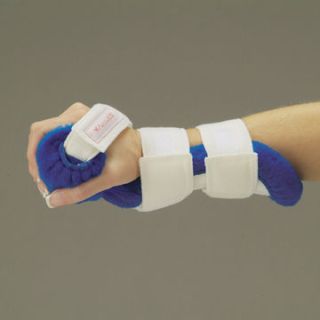
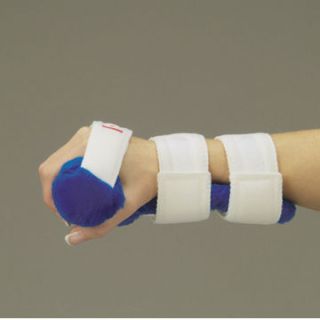
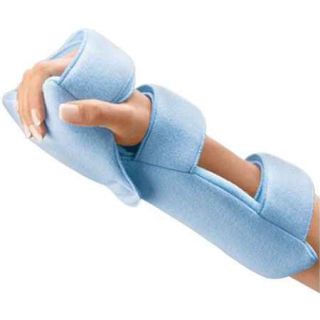
When selecting resting hand splints, it is crucial to understand the specific needs of the patient's condition. For stroke survivors, managing muscle spasticity is a priority. Many of our models are designed to combat flexion contractures—where the hand naturally curls into a tight fist—by providing a constant, gentle stretch to the finger flexors.
Static vs. Adjustable Models
-
Static Splints: Provide rigid immobilization, ideal for post-surgical stabilization or advanced arthritis.
-
Bend-to-Fit Splints: These feature an internal aluminum core that can be reshaped by a therapist or caregiver without tools, accommodating gradual changes in a patient's range of motion.
Recommended Wear Schedule and Care
For maximum efficacy in a rehabilitation program, most therapists recommend a gradual break-in period. Start with 30-minute intervals and move toward overnight use. It is essential to monitor the skin for red marks; if redness persists for more than 30 minutes after removing the rest splint, the brace may require adjustment.
Most of our resting hand orthoses feature antimicrobial, moisture-wicking liners that are removable and machine-washable. This ensures long-term hygiene, especially for patients using the splint for 12+ hours a day.
