
-
 Details$260.99 $194.99
 -
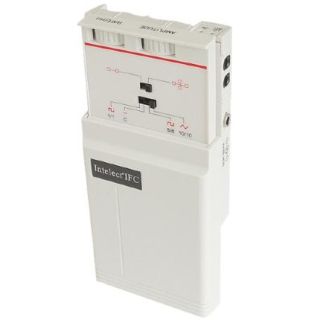
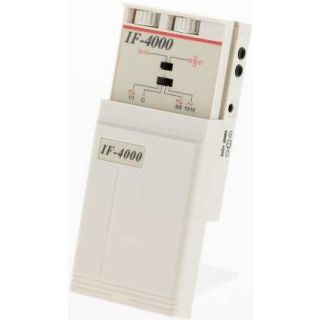
The Science of IFC: Why Use an Interferential Stimulation Unit?
An interferential stimulation unit is often the gold standard for treating deep-seated musculoskeletal issues. By using two intersecting medium-frequency currents, these devices create a "beat frequency" deep within the tissue. This interferential current therapy is generally more comfortable than TENS because the high-frequency 4000Hz wave moves through the skin with minimal stimulation of surface pain fibers, allowing the therapeutic current to work where it is needed most—deep inside the muscle or joint.
Common Applications for IFC Therapy Machines
Clinicians frequently prescribe an IFC unit for pain when surface-level stimulation isn't enough. An interferential current machine is highly effective for:
- Joint Pain & Arthritis: Deep penetration for conditions like osteoarthritis of the knee, hip, or shoulder.
- Post-Surgical Recovery: Reducing edema (swelling) and accelerating the healing of deep incisions.
- Chronic Back & Neck Pain: Managing sciatica, disc herniation, and spinal stenosis by blocking deep pain signals.
- Muscle Spasms: Using rhythmic contractions to flush metabolic waste and relax hypertonic muscles.
Interferential Machine Cost and Value
If you are wondering, "How much do interferential units cost?" most high-quality portable models like the IF-4000 range from $100 to $160. While more advanced than a standard TENS device, a portable interferential unit offers a multi-modal approach to recovery. Many of our top-rated IFC TENS units combine multiple waveforms into one device, providing a comprehensive solution for both acute surface pain and deep chronic inflammation.
Clinical Applications of Interferential Stimulation
While traditional TENS is a valuable tool for surface-level analgesia, the interferential stimulator is the preferred choice for deep-tissue rehabilitation. By utilizing a 4000Hz carrier frequency, these devices overcome the "capacitive resistance" of the skin. This allows the therapeutic "beat frequency" to reach deep into joints and large muscle groups with significantly higher patient compliance and less skin irritation.
Why Clinicians Prefer IFC Units
Interferential current (IFC) therapy is widely used in orthopedic and sports medicine clinics for more than just pain masking. High-authority clinical studies highlight three primary physiological effects:
-
Deep Analgesia: IFC targets deep-seated nerves to trigger the release of endogenous opioids (endorphins), providing longer-lasting relief for chronic intractable pain.
-
Edema & Inflammation Reduction: The medium-frequency current stimulates parasympathetic nerve fibers, increasing local blood flow and facilitating the drainage of fluid (swelling) from injured tissues.
-
Accelerated Post-Surgical Recovery: Clinical research, including studies on ACL reconstruction and total knee arthroplasty, shows that patients using interferential current therapy experience faster returns to functional range of motion compared to those using standard modalities.
Insurance and Medical Necessity (HCPCS Codes)
For patients and providers looking to buy an interferential machine, understanding medical necessity is key. IFC units are often classified under HCPCS code E0730 (Interferential Stimulator) or E0745 (Neuromuscular Stimulator for Atrophy). These devices are commonly prescribed for:
-
Chronic mechanical low back pain.
-
Osteoarthritis of the hip or knee.
-
Post-traumatic acute pain.
-
Muscle disuse atrophy where the nerve supply is intact.
Safe Home Use & Contraindications
Modern portable interferential units are designed for safe, unsupervised home use following a clinician's protocol. However, certain safety precautions apply. IFC therapy should not be used by individuals with cardiac pacemakers, during pregnancy (over the torso), or over areas with undiagnosed malignant tumors. To maintain the effectiveness of your IFC therapy machine, ensure electrodes are replaced every 15–30 uses and skin is cleaned thoroughly to minimize resistance.
