
Understanding the Sling and Swathe Immobilization Technique
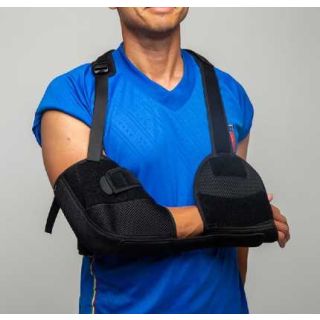
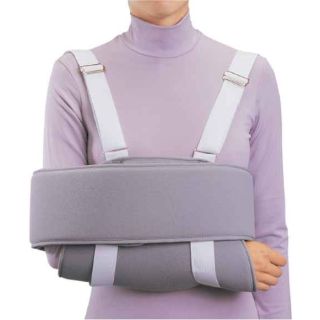
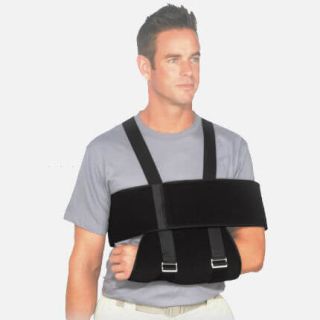
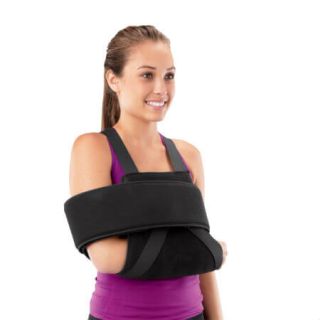
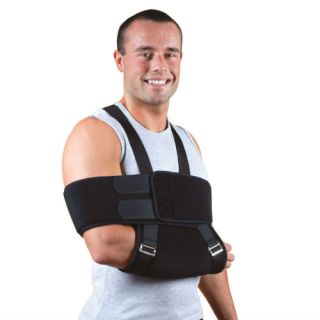
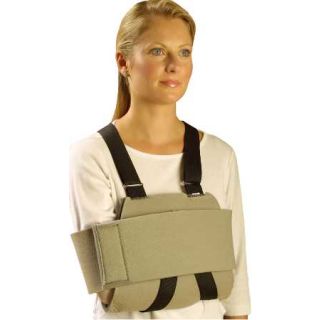
A sling swathe is more than just a support; it is a specialized immobilization tool. By understanding the two parts of the device, you can ensure your recovery stays on track:
- The Sling: Supports the forearm at a 90-degree angle, taking the weight off the shoulder and clavicle.
- The Swathe: Wraps around the chest and the injured arm, "pinning" the limb to the body to prevent any movement that could pull on healing tendons or unseat a fracture.
Clinical Indications for a Shoulder Swathe
A swath and sling is typically prescribed when complete joint stillness is the priority. Common uses include:
- Proximal Humerus Fractures: To keep bone fragments aligned during early healing.
- Anterior Shoulder Dislocations: To prevent the arm from rotating outward and causing a re-dislocation.
- EMT & Emergency Stabilization: Rapid immobilization of the upper extremity following trauma.
Key Features of Professional Sling and Swathes
When shopping for a shoulder sling and swathe immobilizer, look for these professional-grade details found in our collection:
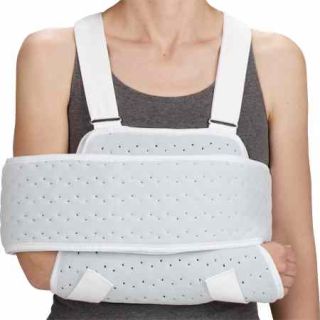
- Latex-Free Foam: Materials like perforated foam (found in DeRoyal models) provide air-flow to prevent skin irritation during 24/7 wear.
- Figure-8 Strapping: High-end Hely Weber and Breg models use criss-cross back straps to distribute weight across the shoulders instead of pulling on the neck.
- Universal Fit: Most of our arm swathe products are ambidextrous, fitting either the left or right arm with simple hook-and-loop adjustments.
