
-
 Details$97.99 $89.99
 -
Details$73.99 $62.99
-
Details$85.52 $74.99
-
Sale - Limited Time
Details$218.99 $192.99
-
Add To Cart To See Price
Details$120.00 $120.00
-
Details$539.99 $518.99
-
Details$104.99 $87.99
-
Add To Cart To See Price
Details$209.00 $209.00
-
Add To Cart To See Price
Details$208.00 $208.00
-
Details$159.99 $139.99
-
Details$214.99 $194.99
-
Staff Choice
Details$127.99 $99.50

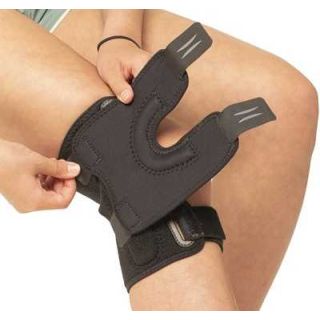
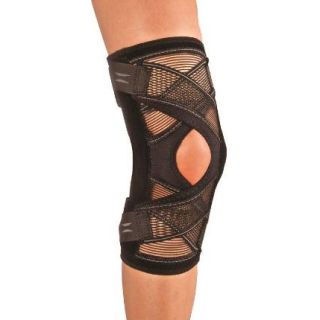
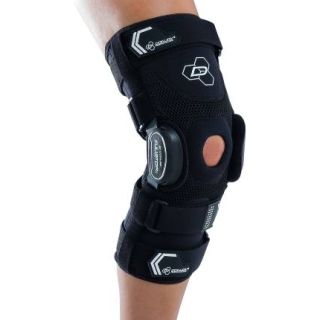
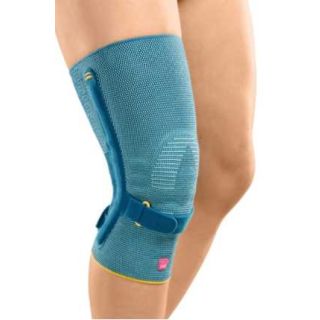
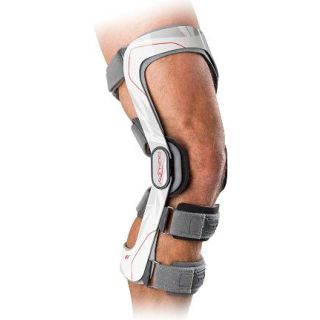
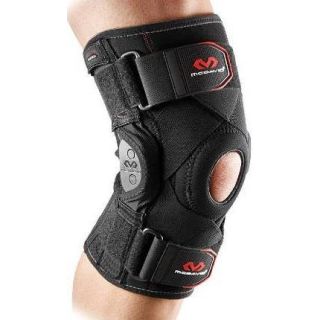
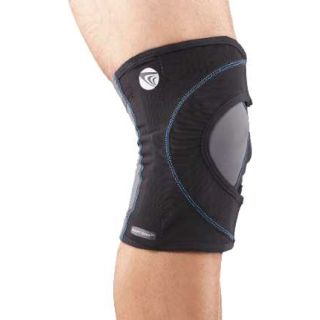
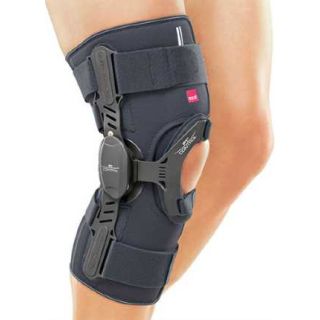
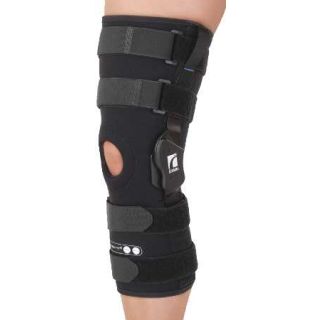
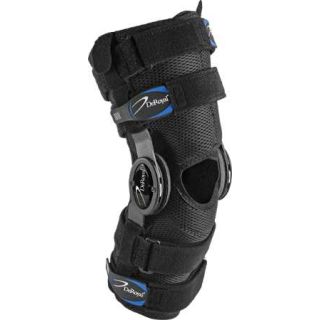
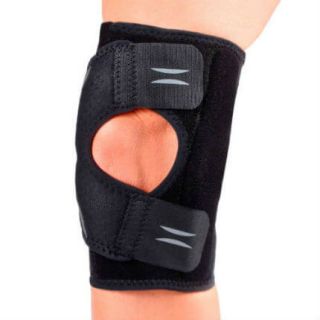
Expert Guidance: Choosing the Right Athletic Brace for Recovery
Understanding the difference between a standard retail sleeve and a sports therapy brace is critical for long-term joint health. A true athletic brace must manage two things simultaneously: protection and performance. If a brace is too bulky, it hinders your speed; if it is too flimsy, it won't protect your ligaments.
Clinical Support Levels for Sports Participation:
-
Level 1 (Basic Support): Best for minor strains and "Runner's Knee." These compression sleeves improve blood flow and joint awareness.
-
Level 2 (Moderate Support): Features flexible stays or wraparound Velcro straps. Ideal for mild ligament instabilities and meniscus support.
-
Level 3+ (Maximum Stability): Incorporates polycentric hinges and rigid frames. These are the gold standard for athletes returning from surgery or severe ACL/PCL tears.
Why Materials Matter in Sports Bracing
For high-sweat activities, we recommend materials like DonJoy’s Drytex, which offers an alternative to neoprene for improved airflow and moisture management. If you require thermal therapy for chronic pain, medical-grade neoprene remains the best choice for retaining heat and increasing circulation to the healing tissue.
Need help with sizing? A sportneer or medical-grade fit is only effective if it stays in place. Measure your thigh and calf as indicated in our sizing charts to ensure your sports bracing doesn't migrate during play. If you are looking for specific clinical solutions like a DF2 fracture brace or knee flexion devices, our product experts are available to guide you to the correct medical-grade fit.
