

Clinical Guide: Selecting the Right Hand Orthosis
Finding the right balance between immobilization and comfort is key to a successful recovery. This guide explains the differences between specialized hand splints to help you choose the most effective option for your specific clinical needs.
Hand Splints for Stroke & Neurological Recovery
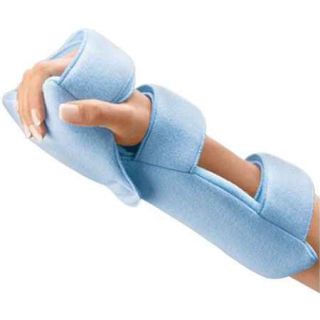
For patients managing spasticity or preventing contractures after a stroke, a resting hand orthosis is often the primary line of defense. These splints maintain the fingers and palm in a "functional" position to prevent the shortening of tendons. We carry "bend-to-fit" models that can be customized by an occupational therapist to accommodate gradual improvements in range of motion.
Managing Arthritis and Chronic Pain
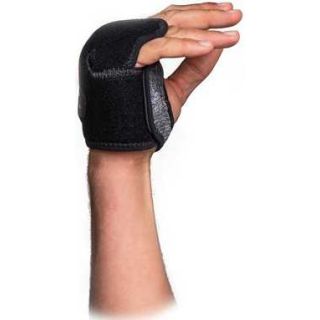
If you require support during the day, a "working splint" made of medical-grade neoprene or synthetic suede offers the best balance of compression and flexibility. These are designed to reduce joint inflammation while allowing you to perform daily tasks like typing or cooking.
Sizing and Fitment Tips
A poorly fitted splint can cause pressure sores or nerve irritation. Most of our hand splints are sized by the width of the hand at the knuckles (MCP joints). If you fall between sizes, we generally recommend choosing the larger size for resting splints (to allow for swelling) and the smaller size for functional braces (to ensure a snug, supportive fit).
