
-
 Details$39.99 $31.99
 -
Details$46.99 $39.99
-
Details$49.99 $38.99
-
Details$34.99 $27.99
-
Details$33.99 $27.99
-
Details$45.99 $39.99
-
Details$27.99 $25.99
-
Details$45.99 $40.73
-
Details$36.50 $34.99
-
Details$43.99 $32.99
-
Details$27.95 $21.99
-

How to Choose the Right Finger Splint for Your Injury
Selecting a finger splint depends on the joint affected and the level of immobilization required. Using the wrong type of support can lead to permanent joint stiffness or improper healing.
Common Conditions & Recommended Splinting
-
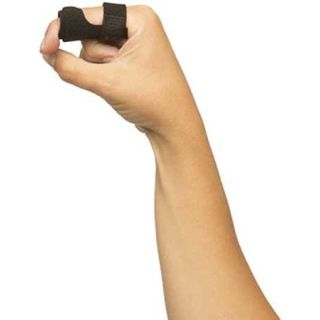
Mallet Finger: Requires a Stack (Stax) Splint worn 24/7. Even a brief bend of the fingertip during the 6-week healing period can restart the recovery clock.
-
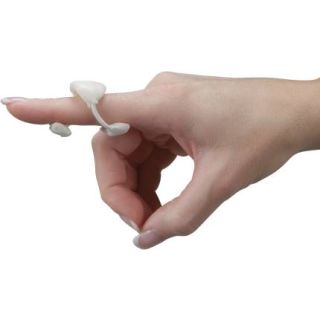
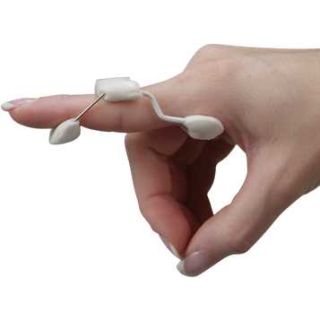
Trigger Finger: Often treated with a low-profile ring splint or a specialized brace that prevents the knuckle from locking while allowing functional use of the hand.
-
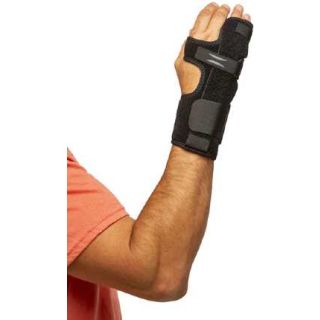
Finger Fractures: These require metal finger splints (Aluminum/Foam) that can be contoured to your specific anatomy to protect the bone from further impact.
-
Boutonniere Deformity: Requires a splint that holds the middle joint (PIP) straight while allowing the fingertip to move, preventing the tendon from sliding out of place.
Finger Splint Type & Price Comparison
| Splint Type | Primary Function | Best For... | Price Range |
|---|---|---|---|
| Aluminum & Foam | Malleable metal that can be custom-contoured for rigid protection. | Broken fingers, fractures, and acute "jams." | $5 - $12 |
| Stack / Mallet Splint | Rigid plastic cover that holds the fingertip (DIP joint) in full extension. | Mallet finger and fingertip tendon ruptures. | $8 - $18 |
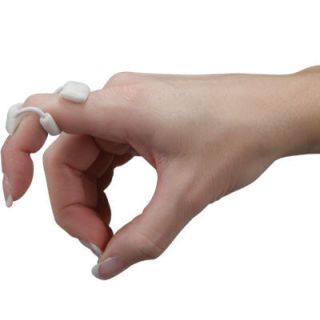
| Oval-8 / Ring Splint | Low-profile, waterproof plastic rings that stabilize specific joints. | Arthritis, Trigger Finger, and hypermobility (Swan Neck). | $10 - $25 |
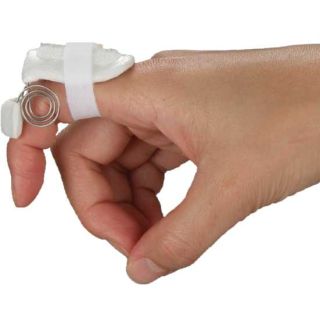
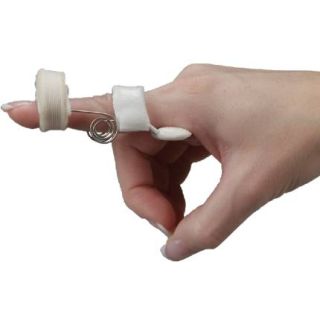
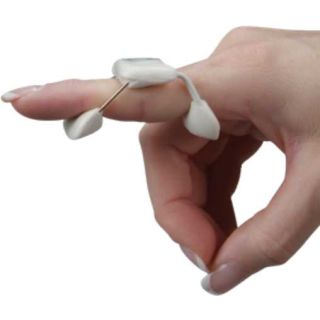
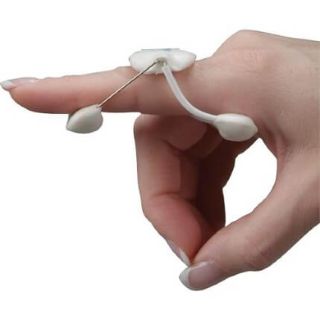
| Dynamic Extension | Spring-loaded frames that provide a low-load, prolonged stretch. | Joint contractures, stiffness, and post-surgery rehab. | $35 - $55 |
Safety & Hygiene Protocols
-
Check Fit: Your splint should be snug but never cause numbness or blue discoloration.
-
Skin Care: Keep the skin underneath clean and dry. For non-waterproof aluminum splints, use a plastic cover during showers to prevent skin irritation.
-
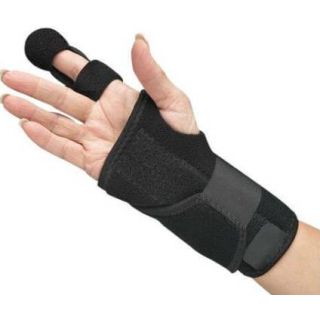
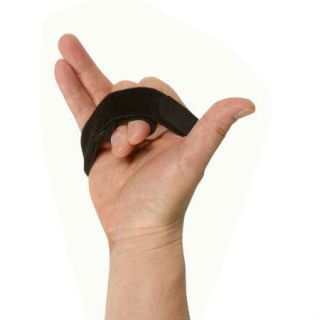
Gradual Weaning: Once your doctor clears you, transition from a rigid splint to a light finger brace or "Buddy Taping" during sports or heavy activity.
