Jumper's Knee Brace And Strap
Choosing the Right Jumper’s Knee Brace and Strap: A Comprehensive Guide
Jumper’s knee, also known as patellar tendinitis, is a common overuse injury that affects the tendon connecting the kneecap (patella) to the shinbone (tibia). This condition is prevalent among athletes and individuals who engage in sports involving frequent jumping, running, and sudden changes in direction. Sports like basketball, volleyball, and track and field often contribute to the strain on the patellar tendon, resulting in inflammation and pain just below the kneecap.
For those suffering from jumper’s knee, using a knee brace or strap can be an effective way to reduce pain, improve function, and prevent further injury. However, choosing the right brace or strap requires a clear understanding of the injury and the available options. In this guide, we will explore the types of braces and straps available, the specific benefits they provide for jumper’s knee, and the key factors to consider when selecting the right support.
Understanding Jumper’s Knee (Patellar Tendinitis)
Before delving into the types of knee braces and straps, it’s essential to have a basic understanding of what jumper’s knee entails.
Jumper’s knee occurs when repetitive stress on the patellar tendon leads to small tears, causing inflammation and pain. The condition typically develops over time and can range from mild to severe, depending on the level of tendon damage. Athletes often experience pain during activities that involve jumping, running, or squatting, and in advanced stages, even simple daily activities like walking or climbing stairs can become painful.
Why Use a Knee Brace or Strap?
Knee braces and support straps are often recommended for individuals with jumper’s knee because they help alleviate pain, provide targeted support, and allow athletes to continue their running and jumping activities with less knee pain. The primary goal of these supports is to reduce the strain on the patellar tendon and promote proper healing.
Here’s how they work:
- Compression: Knee braces and straps apply compression around the knee joint, reducing inflammation and swelling. This compression also helps improve circulation, which can speed up the healing process.
- Support: By supporting the knee and limiting excessive movement, these devices prevent further strain on the patellar tendon.
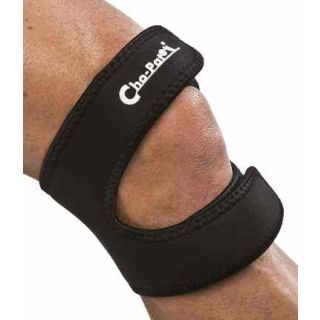
- Pressure Distribution: Patellar tendon straps apply pressure directly to the tendon, helping to redistribute the forces acting on the knee during movement. This can reduce the tension on the injured tendon and provide immediate pain relief.
Now, let’s take a closer look at the types of knee braces and straps available for treating jumper’s knee.
Types of Knee Braces and Straps for Jumper’s Knee
- Patellar Tendon Straps (Jumper’s Knee Straps):
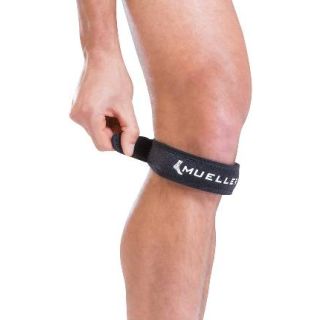
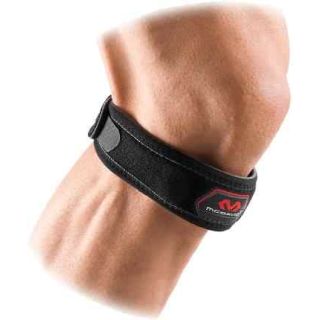
Function: Patellar tendon straps, often referred to as jumper’s knee straps, are designed to apply targeted pressure to the patellar tendon, just below the kneecap. These straps help alleviate pain by redistributing forces away from the inflamed tendon, reducing tension and preventing further strain.
Best For: Mild to moderate cases of jumper’s knee, early-stage patellar tendinitis, and athletes who need lightweight, unobtrusive support during physical activity.
Advantages: Jumper’s knee straps are easy to wear, lightweight, and provide immediate relief by applying pressure to the affected area. They allow for full range of motion, making them ideal for athletes who need to continue participating in their sport while managing their condition.
Considerations: When choosing a patellar tendon strap, look for one with adjustable tension to customize the level of pressure. It should be made from soft, breathable materials to prevent chafing or discomfort during extended wear. Additionally, make sure the strap stays in place during activity, as a loose or shifting strap can reduce its effectiveness. - Hinged Knee Braces with Patellar Support:
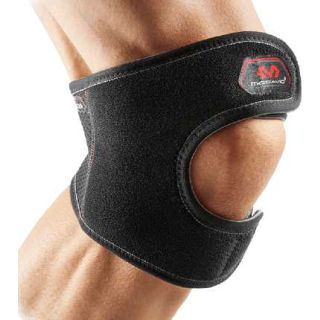
Function: Hinged knee braces provide more comprehensive support than patellar tendon straps. These braces stabilize the entire knee joint, preventing excessive movement and protecting the knee from further injury. They also often feature an open-patella design with padding around the knee cap to offer additional support to the patella tendon.
Best For: Moderate to severe cases of jumper’s knee, individuals with unstable kneecaps, and those recovering from more significant knee injuries.
Advantages: Hinged knee braces provide superior stability and can help prevent other knee injuries that might occur due to weakness in the joint. The additional support around the patella ensures proper tracking of the kneecap, reducing strain on the tendon. These braces are especially useful for individuals who experience knee instability in addition to patellar tendinitis.
Considerations: While hinged braces offer excellent support, they can be bulkier than patellar tendon straps, which might restrict movement during certain activities. Ensure that the brace is adjustable and fits comfortably, as an ill-fitting brace can cause discomfort or limit mobility. - Compression Knee Sleeves with Patellar Support:
Function: Compression knee sleeves provide overall support to the knee joint by applying even pressure throughout the knee. Many of these sleeves are designed with a silicone ring or buttress around the patella to offer additional support to the kneecap and the patellar tendon.
Best For: Mild jumper’s knee, general knee support, and individuals who need moderate compression during physical activity.
Advantages: Compression sleeves are lightweight and easy to wear. They offer a balance between support and flexibility, making them suitable for athletes who need knee support without sacrificing mobility. The compression helps reduce inflammation and improve blood flow, which can aid in recovery.
Considerations: While compression sleeves can provide moderate support, they may not offer the targeted relief that patellar tendon straps provide. If you have a more severe case of jumper’s knee, a strap or hinged brace may be a better option.
See our full offering of professional-grade patella tendonitis support products for everyday and sports use.
Key Factors to Consider When Choosing a Jumper’s Knee Brace or Strap
Type and Severity of the Injury: The severity of your jumper’s knee will largely determine the type of brace or strap you need. For mild cases, a patellar tendon strap or compression sleeve may provide sufficient support. For more severe cases or if you experience knee instability, a hinged knee brace with patellar support may be necessary.
Activity Level: If you are an athlete or someone who engages in regular physical activity, you’ll want a knee brace or strap that provides adequate support without restricting your movement. Patellar tendon straps are typically the best option for athletes because they are lightweight and allow for a full range of motion. However, if you need more support during recovery, you may consider using a hinged knee brace for Jumpers knee pain relief during lower-intensity activities.
Comfort and Fit: Comfort is key when wearing a knee brace or strap for extended periods. Look for products made from soft, breathable materials that wick moisture away from the skin. Adjustable straps and closures are also important for ensuring a snug fit. If the brace or strap is too tight, it can restrict circulation and cause discomfort. If it’s too loose, it won’t provide the support you need.
Durability: If you plan to wear your knee brace or strap during sports or physical activity, durability is an important factor to consider. Look for braces made from high-quality, durable materials that can withstand repeated use and washing. Neoprene is a popular material for knee braces because it is durable, flexible, and moisture-resistant.
Ease of Use: Some knee braces and straps can be more difficult to put on and adjust than others. If you’re looking for something that’s easy to use and doesn’t require a lot of adjustment, a patellar tendon strap or compression sleeve may be the best option. Hinged braces, while offering more support, can be more cumbersome to put on and may require frequent adjustments.
Choosing the right jumper’s knee brace or strap is essential for managing patellar tendinitis effectively. Whether you opt for a patellar tendon strap, a hinged knee brace, or a compression sleeve, the right support can help alleviate pain, reduce strain on the patellar tendon, and improve patellar tracking. When selecting a knee brace or strap, consider the severity of your injury, your activity level, comfort, and the durability of the product. With the right knee support, you can protect your knee, promote healing, and return to your active lifestyle with greater confidence and less pain.
Always consult a healthcare professional for personalized advice on managing a jumper's knee, as they can help guide you in selecting the best treatment option for your specific condition.