Cold Compress For Ankle Sprain


Cold Compress for Ankle Sprain: A Key to Effective Recovery
An ankle sprain is one of the most common injuries, affecting athletes, casual walkers, and anyone who takes a misstep. Whether caused by twisting the ankle during a run or stepping awkwardly on uneven ground, a sprain can lead to pain, swelling, and limited mobility.
One of the most effective and accessible treatments for managing these symptoms is a cold compress for ankle sprain. Cold therapy, or cryotherapy, reduces inflammation, alleviates pain, and promotes faster healing. This article explores the benefits, types, proper usage, and precautions for using a cold compress for ankle sprain, providing a comprehensive guide to aid recovery. Lastly, we provide a great selection of products to help aid in your recovery.
Why Use a Cold Compress for Ankle Sprain?
When an ankle sprain occurs, the ligaments supporting the ankle stretch or tear, triggering an inflammatory response. This leads to swelling, bruising, and pain as blood and fluid accumulate in the affected area. A cold compress for ankle sprain works by constricting blood vessels, which causes reduced blood flow and reduces fluid buildup. Additionally, the cold numbs nerve endings, providing immediate pain relief.
Cold therapy is most effective in the first 48-72 hours after the injury, when inflammation is at its peak. By applying a cold compress promptly, you can minimize swelling, reduce discomfort, and create a better environment for healing. This non-invasive, drug-free approach is widely recommended by healthcare professionals and can be easily administered at home.Benefits of
Using a Cold Compress for Ankle Sprain
The use of a cold compress for ankle sprain offers several advantages that support recovery:
- Reduced Swelling: By constricting blood vessels, cold therapy limits fluid accumulation, preventing excessive swelling that can impede mobility.
- Pain Relief: The numbing effect of a cold compress reduces pain signals, offering relief without the need for heavy reliance on pain medications.
- Minimized Tissue Damage: Controlling inflammation early can prevent further strain on the injured ligaments, protecting the foot and ankle from additional harm.
- Improved Mobility: Less swelling means better joint flexibility, making it easier to begin rehabilitation exercises as the injury heals.
- Convenience: Cold compresses are affordable, portable, and simple to use, making them an accessible option for most people.
Incorporating a cold compress into your recovery plan can significantly enhance comfort and speed up the healing process, especially when combined with other strategies like rest and elevation.
Types of Cold Compresses for Ankle Sprain
When choosing a cold compress for ankle sprain, you have several options, each with unique features to suit different needs. Here are the most common types:
Gel-based cold compresses are flexible and mold to the ankle’s contours, ensuring even cooling. These packs can be stored in the freezer and reused multiple times, making them a cost-effective choice. Many come with a cloth cover to protect the skin.
2. Instant Cold Packs
Instant cold packs are single-use products that activate through a chemical reaction when squeezed or shaken. They are ideal for immediate use, such as on a sports field or during travel, when a freezer is unavailable.
3. Homemade Ice Packs
A budget-friendly option, homemade ice packs can be made using a bag of frozen peas, crushed ice in a sealed plastic bag, or a damp towel frozen briefly. These require careful wrapping in a cloth to prevent skin damage.
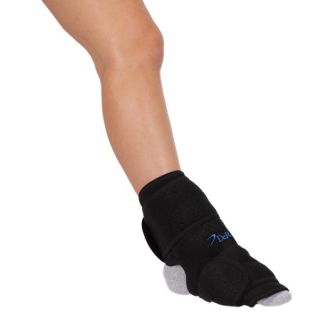
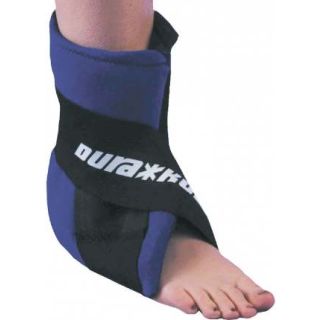
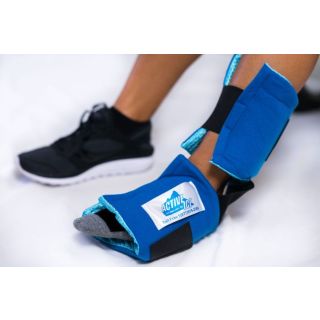
Designed specifically for ankles, these wraps combine a cold compress with adjustable straps to secure the pack in place. They allow hands-free use, making them convenient for prolonged application. These are great for both home use and physical therapy.
5. Ice Baths
For those who prefer immersion, an ice bath (a bucket of ice water) can be used to soak the ankle. This method provides comprehensive cooling but may be less comfortable for some.
When selecting a cold compress, consider factors like portability, duration of cold retention, and ease of use. For ankle sprains, wraps or gel packs are often preferred due to their ability to conform to the joint’s shape.
How to Use a Cold Compress for Ankle Sprain Safely
Proper application of a cold compress for icing a sprained ankle is essential to maximize benefits and avoid complications. Follow these guidelines:
- Timing: Apply the cold compress for 15 to 20 minutes at a time, with at least a 40-minute break between sessions. Overuse can lead to skin damage or reduced circulation.
- Protect the Skin: Always place a thin towel or cloth between the compress and your skin to prevent frostbite or cold burns. Many commercial packs include a protective sleeve.
- Frequency: Use the cold compress every 2-3 hours during the first 48-72 hours after the injury. After this period, reduce frequency as swelling subsides or as advised by a healthcare provider.
- Positioning: Ensure the compress covers the entire sprained area, including the sides and front of the ankle, for optimal swelling reduction. Wraps are particularly effective for secure placement.
- Monitor Skin: Check for signs of redness, numbness, or irritation. Discontinue use and seek medical advice if you notice adverse reactions.
- Combine with RICE Protocol: Follow the RICE method—Rest, Ice, Compression, and Elevation. Rest the ankle, apply the cold compress, use a bandage for compression, and elevate the leg to enhance swelling reduction.
Consult a doctor if the sprain is severe (e.g., inability to bear weight, significant bruising, or persistent pain), as some injuries may require imaging or additional treatment.
Potential Risks and Precautions
While a cold compress for ankle sprain is generally safe, improper use can lead to complications. Common risks include:
- Frostbite or Cold Burns: Direct ice contact or prolonged application can damage the skin. Always use a barrier and adhere to time limits.
- Skin Sensitivity: Some people may experience irritation from gel pack materials or prolonged cold exposure.
- Delayed Healing: Overusing cold therapy beyond the initial phase may suppress the body’s natural inflammatory response, which aids long-term healing.
Patients with diabetes, poor circulation, or reduced sensation should use cold therapy cautiously and consult a healthcare provider. If you’re unsure about the severity of your sprain, seek professional evaluation before relying solely on cold therapy, ice, and heat.
Integrating Cold Therapy into Ankle Sprain Recovery
A cold compress for ankle sprain is most effective when part of a broader recovery plan. Combine it with these strategies:
- Rest: Avoid weight-bearing activities to prevent further strain on the ligaments. Use crutches if necessary, as recommended by a doctor.
- Compression: Apply an elastic bandage after cold therapy to stabilize the ankle and further reduce swelling.
- Elevation: Keep the ankle elevated above heart level when resting to promote fluid drainage.
- Pain Management: Use over-the-counter pain relievers like ibuprofen, if approved by your doctor, to complement the pain-relieving effects of cold therapy.
For moderate to severe sprains, a healthcare provider may recommend immobilization with a brace or boot. Regular follow-ups ensure the injury heals properly and reduce the risk of chronic instability.
Choosing the Right Cold Compress for Ankle Sprain
To select the best cold compress for your needs, consider:
Comfort: Choose a compress that fits snugly around the ankle, such as a wrap or flexible gel pack.
Portability: Instant packs are ideal for on-the-go use, while reusable packs suit home recovery.
Budget: Homemade or reusable options are cost-effective, while wraps or instant packs may cost more.
Duration: For frequent use, opt for a compress that retains cold for at least 15-20 minutes.
Reading reviews or consulting a healthcare provider can help you find a reliable product tailored to your injury.
Conclusion
A cold compress for ankle sprain is a simple yet powerful tool for managing pain, reducing swelling, and supporting recovery. Whether you choose a reusable gel pack, an instant cold pack, or a specialized wrap, proper use is key to maximizing benefits and avoiding risks. By integrating cold therapy into a comprehensive recovery plan that includes rest, compression, elevation, and rehabilitation, you can speed up healing and regain mobility. Always seek medical advice for severe sprains or if symptoms persist, ensuring a safe and effective recovery process.