
-
 Details$97.99 $89.99
 -
Details$139.99 $109.99
-
Details$192.99 $168.99
-
Details$72.99 $63.99
-
Add To Cart To See Price
Details$300.00 $300.00
-
Details$149.95 $119.96
-
Details$153.99 $141.99
-
Sale - Limited Time
Details$218.99 $164.99
-
Add To Cart To See Price
Details$80.00 $80.00
-
Details$107.99 $92.99
-
Add To Cart To See Price
Details$360.00 $360.00
-
Details$63.99 $48.99

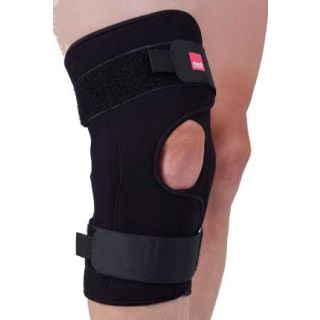
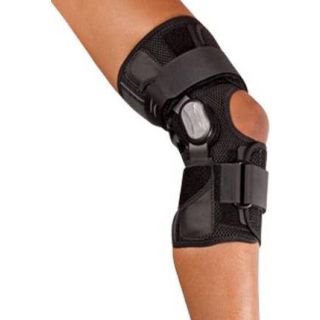
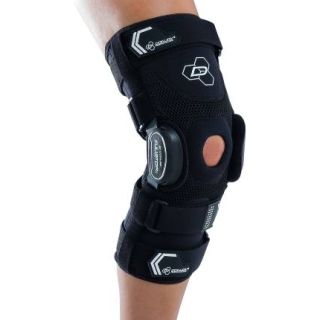
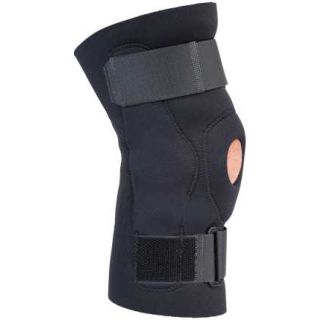
How to Choose the Right Knee Brace with Metal Hinges
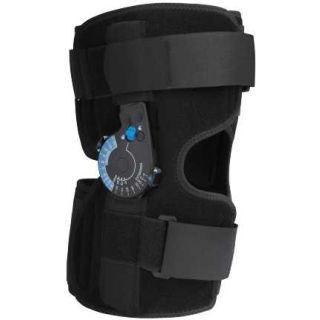
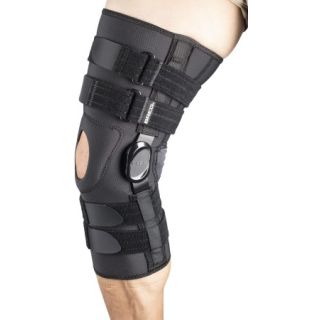
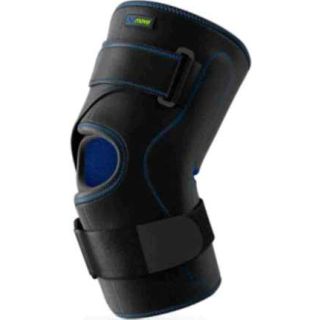
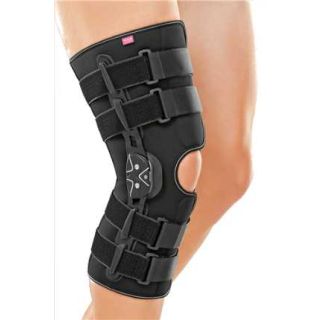
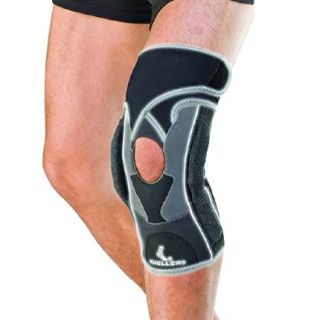
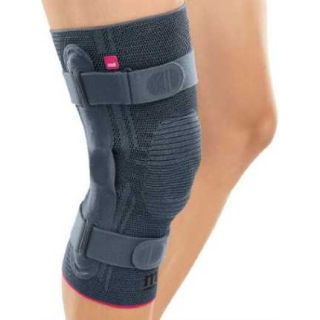
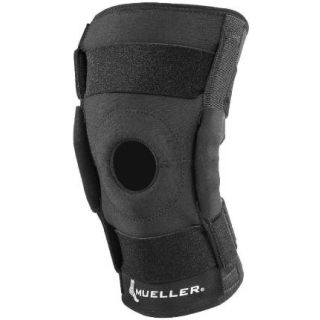
When selecting a knee brace with hinges, the type of "metal support" you choose depends on your level of instability. A hinge knee brace works by mimicking the natural motion of the joint while providing a rigid barrier against side-to-side (varus/valgus) forces.
Standard vs. ROM Hinged Braces
-
Standard Metal Hinges: Ideal for meniscus tears and collateral ligament (MCL/LCL) sprains. These provide a "stop" to prevent the knee from bending backward (hyperextension).
-
ROM (Range of Motion) Hinged Braces: Often used as an orthopedic hinged knee brace for post-surgical recovery. These feature adjustable dials that allow your doctor to lock the brace at specific angles to protect a healing graft or repair.
Material Benefits: Neoprene vs. Breathable Fabrics
A long hinged knee brace can provide extra leverage and stability, but material choice is key for compliance:
-
Therapeutic Neoprene: Best for those who need warmth and compression to soothe arthritis or chronic "achy" joints.
-
Airprene & Drytex: Perforated, breathable options for athletes or those living in warmer climates who need a metal hinge knee brace without the heat buildup.
Stability Scale: Choosing Your Level of Protection
Not all hinged knee braces provide the same amount of support. To help you find the best hinged knee brace for your injury, we’ve categorized our selection by the level of stability they offer:
Level 1: Mild Support (Lateral Stabilizers)
-
Best For: Grade 1 sprains, mild arthritis, and daily "achy" knee relief.
-
Features: Often uses flexible "stays" or lightweight plastic hinges tucked into a neoprene knee sleeve.
-
Benefit: Provides compression and thermal warmth with minimal bulk under clothing.
Level 2: Moderate Stability (Soft Hinged Braces)
-
Best For: Meniscus tears, moderate ligament instabilities (MCL/LCL), and returning to non-contact sports.
-
Features: Features dual-axis metal hinges integrated into a high-quality fabric or neoprene sleeve.
-
Benefit: Prevents the knee from "giving out" during side-to-side movements while remaining flexible enough for running or cycling.
Level 3: Maximum Protection (Rigid Hinged Braces)
-
Best For: ACL/PCL reconstructions, severe ligament tears, and high-impact contact sports (football, skiing, motocross).
-
Features: A rigid hinged knee brace uses a solid aircraft-grade aluminum or carbon fiber frame that physically blocks the knee from moving in dangerous directions.
-
Benefit: Provides the highest level of hyperextension control and structural stability available on the market.
Quick-Start: Measuring for a Hinged Knee Brace
A rigid hinged knee brace must fit perfectly to align the mechanical hinge with your knee’s center of rotation.
-
Thigh: Measure 6" (15cm) above the center of the kneecap.
-
Knee: Measure directly across the center of the patella.
-
Calf: Measure 6" (15cm) below the center of the kneecap.
Expert Tip: If you are between sizes, we recommend sizing up for a wraparound metal knee brace or sizing down for a compression sleeve to ensure the hinges stay flush against the sides of your leg.
