Stomach Muscle Strain
Understanding Stomach Muscle Strain: Causes, Symptoms, and Recovery
A stomach muscle strain is a common injury that can disrupt daily life, affecting everyone from athletes to those performing routine tasks. This condition occurs when the muscles in the stomach area are overstretched or torn, leading to discomfort and restricted movement. In this detailed guide, we’ll explore what a stomach muscle strain is, its causes, symptoms, treatment options, and strategies for prevention and recovery. By gaining insight into this injury, you can manage this type of injury and return to your normal activities with confidence.
What Is a Stomach Muscle Strain?
The muscles of the stomach, including the rectus abdominis, obliques, and transversus abdominis, are essential for core stability, posture, and movement. A stomach muscle strain happens when these muscles are stretched beyond their capacity, resulting in a small stretch or tear in the muscle fibers. The severity can range from mild discomfort to intense pain that limits daily tasks.
This injury is sometimes mistaken for other conditions, such as hernias or digestive issues, but it specifically involves damage to the muscle tissue. While uncomfortable, most cases can be managed with proper care, though severe instances may require medical attention.
Common Causes of Stomach Muscle Strain
Several factors can lead to a stomach muscle strain. Recognizing these triggers can help you avoid situations that increase risk. Here are the primary causes:
- Sudden Twisting Motions: Rapid torso movements, common in sports like basketball, tennis, or dance, can overextend stomach muscles.
- Intense Core Workouts: Overdoing exercises like sit-ups, planks, or Russian twists, especially with poor form, can stress the muscles.
- Heavy Lifting: Lifting hevay objects incorrectly, such as bending at the waist instead of using the legs, can strain the stomach muscles.
- Repetitive Coughing or Sneezing: Persistent coughing, often during illness, can weaken and injure the stomach muscles over time.
- Direct Trauma: A blow to the stomach, such as in contact sports or accidents, can cause a strained abdominal muscle.
- Lack of Flexibility or Strength: Weak or tight core muscles are more susceptible to injury, as they struggle to handle sudden stress.
By understanding these risks, you can take steps to protect your core during physical activities.
Symptoms of a Stomach Muscle Strain
Early recognition of a stomach muscle strain is crucial to prevent worsening the injury. Symptoms vary based on severity but typically include:
- Localized Pain: A sharp or aching sensation in the stomach area, often intensified by movement, coughing, or stretching.
- Tenderness: The affected muscle may feel sore when touched.
- Stiffness: Reduced flexibility or a tight feeling in the stomach.
- Swelling or Bruising: Mild swelling or discoloration may appear in more severe cases.
- Limited Mobility: Activities like bending, twisting, or sitting up may become painful or difficult.
- Muscle Spasms: Involuntary muscle contractions can occur, adding to discomfort.
If you experience severe pain, persistent symptoms, or inability to move comfortably, consult a healthcare provider to rule out complications like a hernia or organ-related issues.
How to Treat a Stomach Muscle Strain at Home
Most stomach muscle strains can be managed effectively with home care. The focus is on reducing pain, promoting healing, and avoiding further damage. Follow these steps:
- Rest the Area: Avoid activities that worsen the injury, such as lifting, twisting, or intense exercise. Allow a few days to a week for mild cases to heal.
- Use Ice Therapy: Apply an ice pack wrapped in a cloth for 15-20 minutes every few hours in the first 48 hours to reduce swelling and ease pain.
- Apply Heat Later: After 48 hours, use a heating pad to relax the muscle and improve circulation, aiding recovery.
- Take Pain Relief: Over-the-counter medications like ibuprofen or acetaminophen can help manage discomfort and inflammation, used as directed.
- Introduce Gentle Stretching: Once pain decreases, try light stretches to restore flexibility, avoiding movements that cause discomfort.
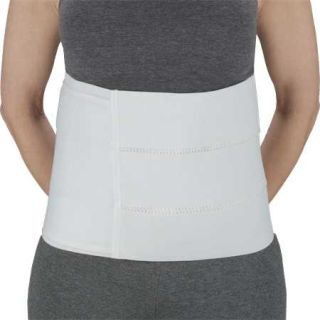
- Consider Compression: An abdominal binder can stabilize the area and reduce strain during early healing.
Listen to your body and stop any activity that increases pain. If symptoms persist beyond a week, seek professional advice.
When to Seek Medical Help for a Stomach Muscle Strain
While home care is often sufficient, certain signs indicate the need for medical evaluation. Contact a doctor if you notice:
- Intense or worsening pain that doesn’t improve with rest.
- A bulge or lump in the stomach, which may suggest a hernia.
- Symptoms like fever, nausea, or vomiting.
- Pain spreading to the back, chest, or other areas.
- Difficulty with basic movements, such as standing or walking.
A healthcare provider may order tests like an ultrasound or MRI to assess the injury’s extent and exclude other conditions. Rarely, severe muscle tears may require surgical intervention.
Recovery Timeline for a Stomach Muscle Strain
Recovery time depends on the injury’s severity:
- Mild Strain: Typically heals in 1-2 weeks with rest and careful management.
- Moderate Strain: May take 3-6 weeks, often requiring cautious activity and possibly physical therapy.
- Severe Strain: Can require several months, particularly if surgery is involved.
Avoid rushing back to strenuous activities, as this risks re-injury. Gradually resume exercise, starting with gentle movements like walking or light stretching, before returning to intense workouts.
Preventing a Stomach Muscle Strain
Proactive measures can significantly lower your risk of a stomach muscle strain. Incorporate these habits into your routine:
- Warm Up Thoroughly: Perform dynamic warm-ups before exercise to prepare your muscles for activity.
- Build Core Strength: Exercises like planks, bridges, and leg raises strengthen the stomach muscles, improving resilience.
- Use Proper Technique: Whether lifting objects or exercising, maintain correct form to avoid unnecessary strain when you lift heavy objects.
- Stay Flexible: Regular stretching or yoga enhances muscle elasticity, reducing injury risk.
- Respect Your Limits: Avoid pushing through fatigue or pain, which can lead to overexertion.
- Maintain Healthy Weight: Excess weight can strain stomach muscles, making injuries more likely.
These practices not only prevent an abdominal muscle strain, but also support overall core health.
Exercises to Support Recovery from a Stomach Muscle Strain
Once acute pain subsides, gentle exercises can aid recovery and rebuild strength. Consult a healthcare provider or physical therapist before starting, especially if recovery progress is unclear. Try these beginner-friendly exercises:
- Pelvic Tilts: Lie on your back with knees bent, gently tilt your pelvis upward, hold briefly, and release.
- Seated Knee Lifts: Sit in a chair, lift one knee at a time, engaging your core without forcing movement.
- Side-Lying Leg Raises: Lie on your side, slowly lift your top leg, keeping motions controlled to avoid twisting.
- Deep Breathing: Practice diaphragmatic breathing to gently activate the core and promote relaxation.
Begin with low repetitions, increasing gradually as strength returns. Avoid high-impact or twisting exercises until fully recovered.
Long-Term Management of a Stomach Muscle Strain
Recovering from a stomach muscle strain requires patience, but most individuals regain full function with proper care. Balancing rest with gradual activity is key, as is seeking guidance when symptoms don’t improve. Understanding the injury’s causes and symptoms empowers you to manage it effectively and reduce future risks.
Why Core Health Matters After a Stomach Muscle Strain
A strong, flexible core is vital for overall physical health, supporting posture, balance, and movement. After recovering from a stomach muscle strain, prioritize core-focused exercises and healthy habits to maintain resilience. This not only prevents future injuries but also enhances your ability to perform daily tasks and athletic activities with ease.
Living Pain-Free After a Stomach Muscle Strain
A stomach muscle strain can be a setback, but it’s manageable with the right approach. By addressing the injury promptly, following a structured recovery plan, and adopting preventive measures, you can minimize its impact. Whether you’re an active individual or someone who experienced a pulled abdominal muscle during a routine task, focusing on core health ensures long-term well-being and confidence in your movements.