
-
 Details$299.99 $209.50
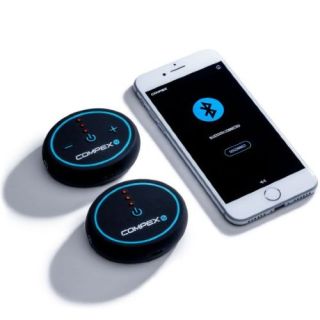
Choosing the Right EMS Machine: Cost, Features, and Benefits
When comparing EMS machine costs, it is important to look beyond the price tag and evaluate the output intensity and waveform flexibility. Unlike standard TENS units which focus on nerve numbing for pain, an EMS (Electrical Muscle Stimulation) device targets the muscle tissue itself. By mimicking the central nervous system's signals, the machine causes rhythmic contractions that improve blood flow and "reset" overworked or injured muscles.
How Much Does a Professional EMS Machine Cost?
The EMS machine price typically reflects the unit's power output (measured in mA) and the number of lead channels. A quality EMS device price of $100 to $150 ensures you receive a unit with adjustable pulse widths and frequencies, which are vital for preventing "muscle accommodation"—where the body stops responding to the electrical stimulus. Investing in a professional-grade unit ensures a higher peak output, which is necessary for reaching deeper muscle groups in the quadriceps, back, or shoulders.
EMS Training Machines for Home Use vs. Clinical Units
Modern technology has made it possible to bring EMS training machine technology out of the doctor's office and into your home. Today’s EMS machines for home use are compact, battery-operated, and feature digital displays that allow for precise intensity adjustments. These are ideal for:
- Post-Surgical Recovery: Maintaining joint range of motion and preventing atrophy during immobilization.
- Athletic Recovery: Flushing lactic acid and reducing soreness after high-intensity training.
- Chronic Spasms: Relaxing muscle fibers to reduce tension-related pain.
If you are looking to buy an EMS machine that combines durability with medical-grade efficacy, DME-Direct offers the same models used by orthopedists and trainers nationwide. Browse our selection and take the first step toward faster, more effective muscle rehabilitation.
