

-
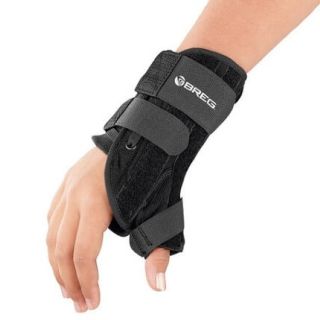
Pediatric Wrist Splints : Combined wrist and thumb protection for buckle fractures.
-
Pediatric Elbow Braces : Support for upper extremity growth-plate injuries.
Choosing the Right Pediatric Thumb Spica
Selecting a thumb splint for kids requires balancing rigid immobilization with comfort. Because children’s skin is more sensitive and their activities are high-impact, the material and fit are paramount:
-
Acute Injuries: For ligament tears (UCL/RCL) or fractures, a rigid pediatric thumb spica splint like the Breg Apollo or Hely Weber Tiny Titan is recommended to prevent any movement of the thumb column.
-
Overuse & Tendonitis: For conditions like De Quervain’s (Gamer’s Thumb), a lower-profile brace that uses breathable mesh is ideal for school-day wear.
-
Neurological Support: If the splint is needed to improve grasp or manage spasticity, look for neoprene models that promote thumb opposition and functional hand use.
Sizing and Fit for Toddlers vs. Youth
A proper toddler thumb splint must be secure enough that the child cannot easily remove it, while a youth thumb brace needs to be durable enough for playground and sports use.
-
Measurement Tip: Always measure the circumference of the wrist and the length of the thumb. A splint that is too long will interfere with the "pincer grasp," making it harder for the child to hold a pencil or toy.
-
Compliance: Look for "single-pull" lace systems. These allow children to tighten their own braces, increasing their sense of independence and compliance with the doctor's orders.
