
-
 Details$71.99
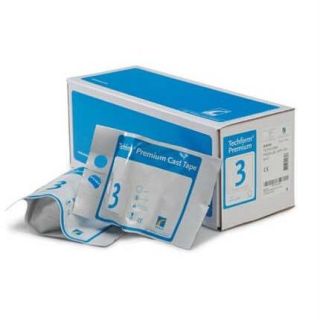
Technical Guide to Orthopedic Casting Supplies
Choosing the right casting tape is essential for patient comfort and successful immobilization. Understanding the material science behind fiberglass and synthetic options can help healthcare providers select the best tape for each specific injury.
Fiberglass vs. Polyester Casting Tape
While both materials are water-activated and fast-setting, there are key differences:
- Fiberglass Cast Tape: Known for its extreme durability and rigidity. It is the gold standard for long-term immobilization and weight-bearing casts.
- Polyester/Synthetic Tape: Offers slightly more conformability during application. It is often preferred for specialized casting techniques where a smoother edge is required to prevent skin irritation.
Key Benefits of Modern Cast Tape
Modern medical casting tape offers several clinical advantages over legacy materials:
- Breathability: The porous nature of fiberglass allows air circulation, which helps reduce skin maceration and localized odors under the cast.
- Water-Resistance: While the tape itself is waterproof, it is important to note that traditional cotton padding is not. For a fully "swim-safe" cast, this tape must be paired with specialized waterproof cast liners.
- Consistent Set Times: Our tapes feature "rub-responsive" resins, allowing clinicians to control the working time based on water temperature and application speed.
How to Care for Your Synthetic Cast
To ensure the integrity of the hard cast tape, patients should keep the exterior clean and avoid inserting objects under the cast. If the cast becomes wet, it should be dried thoroughly using a hair dryer on a cool setting. Any cracks or soft spots in the casting tape should be reported to a medical professional immediately to prevent loss of immobilization.
Disclaimer: Casting tape should only be applied and removed by trained medical professionals. Improper application can lead to serious complications, including circulation issues and pressure sores.