
-
 Details$126.99 $110.99
 -
Details$85.99 $72.99
-
-
Details$88.99 $77.99
-
Details$99.99 $87.99
-
Details$58.99 $49.99
-
DetailsStarting at $8.99
-
Details$14.99 $11.99
-
Details$49.99 $49.99
-
Details$99.99 $86.99
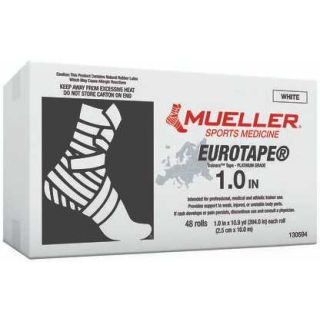
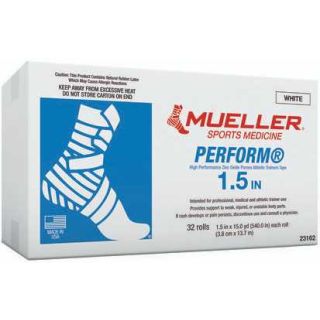
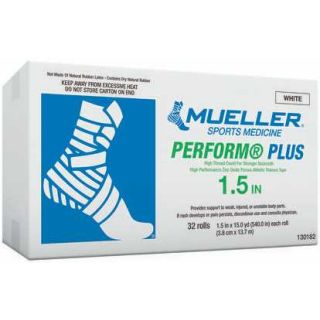
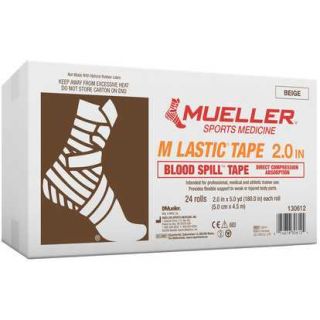
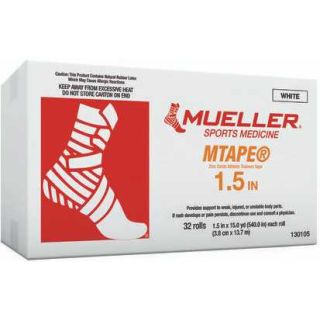
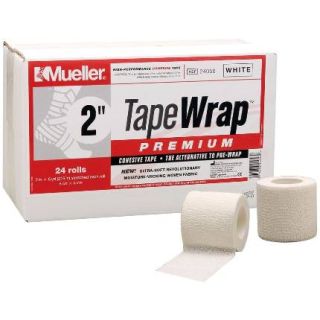
Choosing the Right Athletic Tape for Your Injury
Not all tape is created equal. To achieve the best results for your lower back, knees, or fingers, you must match the tape’s elasticity to your clinical goal.
Rigid Zinc Oxide Tape for Stabilization
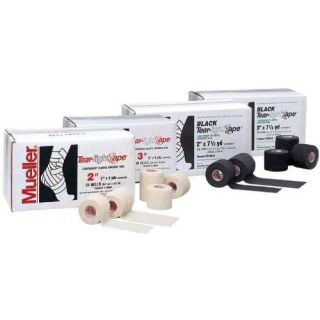
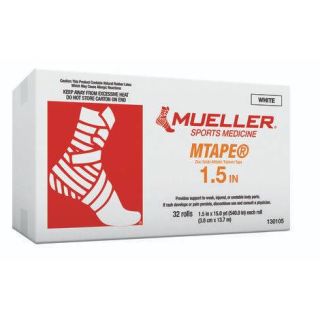
Often used for ankle taping and finger strapping, rigid tape is non-elastic. It is the best choice when you need to limit range of motion to protect a sprain or prevent a joint from "rolling" during contact sports.
Kinesiology Tape for Pain & Mobility
If you are treating shin splints or lower back pain, kinesiology tape (K-tape) is the ideal solution. It mimics the elasticity of the skin, slightly lifting the tissue to improve blood flow and lymphatic drainage without restricting movement.
Elastic Adhesive Bandages (EAB) & Cohesive Wraps
For moderate support with a high degree of compression, EAB tape is a hybrid choice favored by rugby and football trainers. If you have sensitive skin, our cohesive self-adherent wraps stick only to themselves, providing a pain-free removal process.
Pro Trainer Tip: Always use underwrap (pre-wrap) as a base layer when applying rigid athletic tape to prevent skin irritation and facilitate easier removal.
How to Choose and Apply Athletic Tape by Body Part
Proper taping is a blend of science and technique. Depending on whether you are stabilizing a joint or managing pain, the application method and tape type will change.
1. For Ankle Stability (The "Basketweave" Technique)
Ankle sprains are the most common athletic injury. To prevent a "roll," you need a rigid, non-elastic tape that limits lateral movement.
-
Best Tape: Rigid Zinc Oxide Tape + Pre-wrap.
-
Goal: Immobilization of the talofibular ligaments.
-
Technique: Apply two "anchors" around the lower calf, then create "stirrups" that run from the inside of the ankle, under the heel, to the outside anchor. Finish with "figure-eights" to lock the heel.
2. For Knee Support (Patellar Tracking)
Knee taping is usually focused on "tracking" the kneecap or supporting the MCL/LCL during lateral movements.
-
Best Tape: Kinesiology Tape (K-Tape) for pain or Elastic Adhesive Bandage (EAB) for structural support.
-
Goal: Pain relief and patellar alignment.
-
Technique: For K-tape, apply a "Y" strip around the patella (kneecap) with 25% tension to encourage proper tracking during running or jumping.
3. For Fingers and Wrists (Buddy Taping)
In sports like basketball or volleyball, finger "jams" are frequent. Taping provides a mechanical splint.
-
Best Tape: 1-inch Rigid Athletic Tape.
-
Goal: Splinting an injured finger to a healthy neighbor.
-
Technique: Place a small piece of foam between the fingers to prevent skin friction, then tape the fingers together at the base and just below the middle joint. Do not tape over the joints themselves to allow for functional grip.
4. For Lower Back Pain
Taping the lower back is primarily for decompression and postural cues.
-
Best Tape: Kinesiology Tape.
-
Goal: To lift the skin and improve circulation to tight lumbar muscles.
-
Technique: Have the athlete lean forward slightly to stretch the skin. Apply two vertical strips along the erector spinae muscles with zero tension on the ends.
