Pulled Abdominal Muscle

Understanding a Pulled Abdominal Muscle: Causes, Symptoms, and Recovery
A pulled abdominal muscle is a common injury that can affect anyone, from athletes to everyday individuals performing routine tasks. This condition occurs when the stomach muscles in the abdominal region are overstretched or torn, leading to discomfort and limited mobility. In this comprehensive guide, we’ll explore what a pulled abdominal muscle is, its causes, symptoms, treatment options, and tips for prevention and recovery. By understanding this injury, you can take proactive steps to manage it effectively and return to your normal activities.
What Is a Pulled Abdominal Muscle?
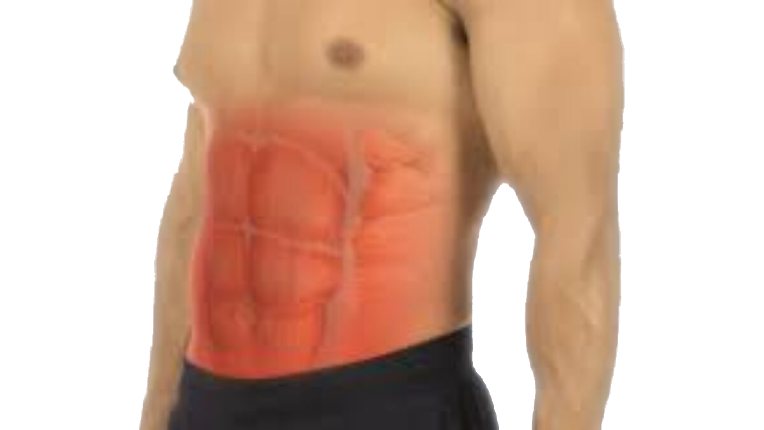
The abdominal muscles, which include the rectus abdominis, obliques, and transversus abdominis, play a critical role in core stability, posture, and movement. A pulled abdominal muscle happens when these muscles are stretched beyond their normal capacity, resulting in small tears in the muscle fibers. Depending on the severity, the injury can range from mild discomfort to significant pain that interferes with daily tasks.
This type of injury is often confused with other conditions, such as hernias or organ-related issues, but it specifically involves damage to the muscle tissue. While painful, most cases are manageable with proper care and rest, though severe cases may require medical intervention.
Common Causes of a Pulled Abdominal Muscle
Several factors can contribute to pulling an abdominal muscle. Understanding these causes can help you avoid situations that might lead to injury. Here are the most common triggers:
- Sudden Twisting or Turning: Rapid movements, such as twisting the torso during sports like tennis, golf, or soccer, can overstretch the abdominal muscles.
- Overexertion During Exercise: Intense workouts, especially those targeting the core, like crunches or planks, can strain the muscles if done improperly or excessively.
- Lifting Heavy Objects: Improper lifting techniques, such as bending at the waist instead of the knees, can put undue stress on the abdominal muscles.
- Coughing or Sneezing: Repetitive or forceful coughing, often during illness, can weaken and injure the abdominal muscles.
- Poor Flexibility or Weakness: Tight or weak core muscles are more prone to injury, as they lack the resilience to handle sudden stress.
By recognizing these risk factors, you can take precautions to protect your core muscles during physical activities.
Recognizing Symptoms of a Pulled Abdominal Muscle
Identifying a pulled abdominal muscle early is key to preventing further damage. The symptoms can vary depending on the severity of the injury, but common signs include:
- Localized Pain: Sharp or aching pain in the abdominal area, often worsening with movement, coughing, or laughing.
- Tenderness: The affected area may feel sore to the touch indicating a stretch or tear.
- Muscle Stiffness: A feeling of tightness or reduced flexibility in the abdomen.
- Swelling or Bruising: In some cases, mild swelling or bruising may appear, indicating a more severe pull.
- Difficulty Moving: Tasks like bending, twisting, or sitting up may become painful or challenging.
- Muscle Spasms: Involuntary contractions of the muscle may occur, adding to discomfort.
If you experience severe pain, inability to move, or symptoms that persist beyond a few days, consult a healthcare professional to rule out more serious conditions, such as a hernia or internal injury.
How to Treat a Pulled Abdominal Muscle at Home
Most cases of a pulled abdominal muscle can be managed with conservative measures at home. The goal is to reduce pain, promote healing, and prevent further injury. Here’s a step-by-step approach to treatment:
- Rest the Muscle: Avoid activities that aggravate the injury, such as heavy lifting, twisting, or intense exercise. Give your body time to heal, typically a few days to a week for mild cases.
- Apply Ice: Use an ice pack wrapped in a cloth for 15-20 minutes every few hours during the first 48 hours. This helps reduce swelling and numbs pain.
- Switch to Heat: After the initial 48 hours, apply a heating pad to relax the muscle and improve blood flow, aiding recovery.
- Take Pain Relievers: Over-the-counter medications like ibuprofen or acetaminophen can help manage pain and inflammation, but use them as directed.
- Gentle Stretching: Once pain subsides, introduce light stretching to restore flexibility. Avoid aggressive movements that could worsen the injury.
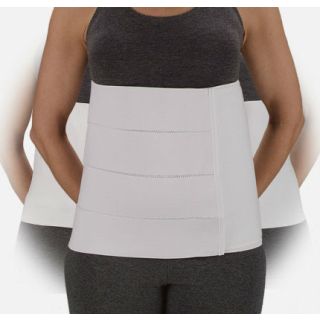
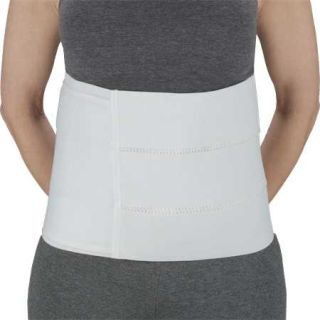
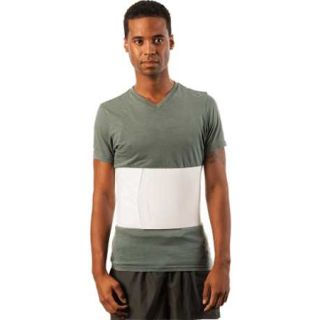
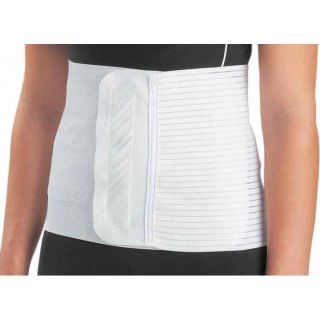
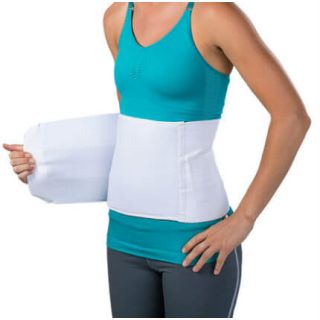
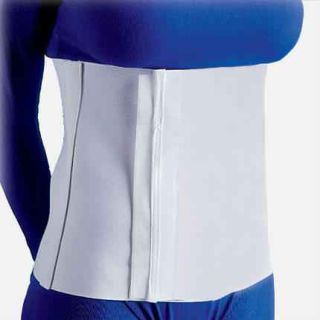
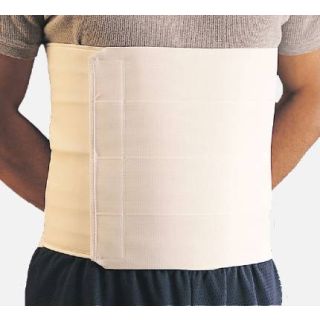
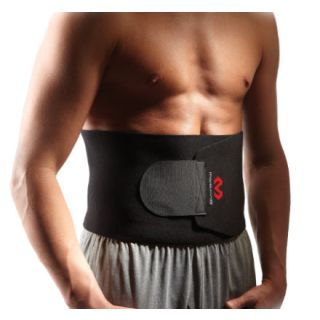
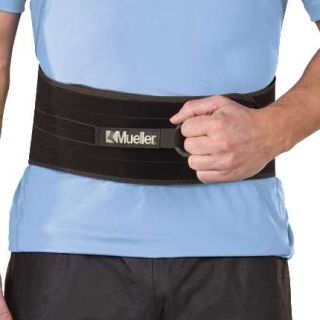
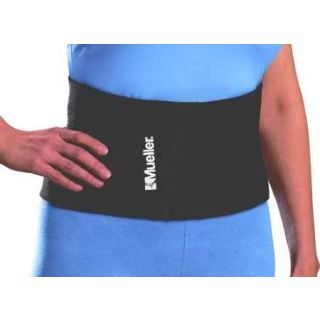
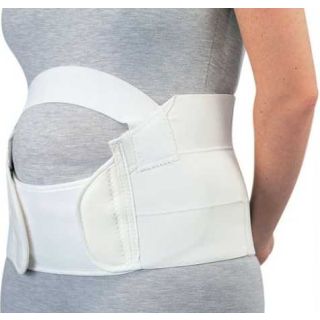
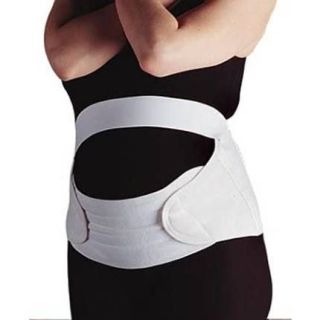
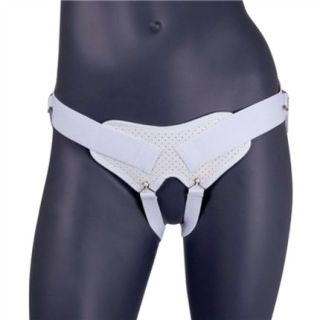
- Support the Area: In some cases, wearing an abdominal binder can provide stability and reduce discomfort during healing.
Always listen to your body and stop any activity that causes pain. If symptoms don’t improve within a week, seek medical advice.
When to See a Doctor for a Pulled Abdominal Muscle
While most cases resolve with home care, certain situations warrant professional evaluation. Contact a healthcare provider if you experience:
- Severe or worsening pain that doesn’t improve with rest.
- A bulge or lump in the abdomen, which could indicate a hernia.
- Fever, nausea, or other systemic symptoms.
- Pain that radiates to other areas, such as the back or chest.
- Difficulty performing basic movements, like walking or standing upright.
A doctor may recommend imaging tests, such as an ultrasound or MRI, to assess the extent of the injury and rule out other conditions. In rare cases, severe tears may require surgical repair.
Recovery Timeline for a Pulled Abdominal Muscle
The recovery time for a pulled abdominal muscle depends on the injury’s severity:
- Mild Pull: Typically heals within 1-2 weeks with rest and proper care.
- Moderate Pull: May take 3-6 weeks, requiring more cautious activity and possibly physical therapy.
- Severe Pull: Can take several months, especially if surgery is needed.
During recovery, avoid rushing back into strenuous activities, as this can lead to re-injury. Gradually reintroduce exercise, starting with low-impact movements like walking or gentle yoga, before resuming intense workouts.
Preventing a Pulled Abdominal Muscle
Taking proactive steps can significantly reduce your risk of pulling an abdominal muscle. Here are some practical tips:
- Warm Up Properly: Always perform a dynamic warm-up before exercise to prepare your muscles for activity.
- Strengthen Your Core: Incorporate exercises like planks, bridges, and bird dogs to build a resilient core that can handle stress.
- Practice Proper Form: Whether lifting weights or performing daily tasks, use correct techniques to avoid unnecessary strain.
- Stay Flexible: Regular stretching or yoga can improve muscle elasticity, making injuries less likely.
- Listen to Your Body: Avoid pushing through pain or fatigue, as this can lead to overexertion.
- Maintain a Healthy Weight: Excess body weight can put additional strain on the abdominal muscles, increasing injury risk.
By integrating these habits into your routine, you can protect your core and enhance overall physical health.
Exercises to Aid Recovery and Strengthen the Core
Once the acute pain of a pulled abdominal muscle subsides, gentle exercises can help restore strength and flexibility. Always consult a healthcare provider or physical therapist before starting, especially if you’re unsure about your recovery stage. Here are a few beginner-friendly exercises for your pulled muscle:
- Pelvic Tilts: Lie on your back with knees bent, gently tilt your pelvis upward, and hold for a few seconds before releasing.
- Seated Marching: Sit in a chair and lift one knee at a time, engaging your core without straining.
- Side-Lying Leg Lifts: Lie on your side and lift your top leg slowly, keeping movements controlled to avoid twisting.
- Diaphragmatic Breathing: Practice deep breathing to engage the core muscles gently and promote relaxation.
Start with low repetitions and increase gradually as your strength improves. Avoid high-impact or twisting movements until fully healed.
Living with a Pulled Abdominal Muscle
Dealing with a pulled abdominal muscle can be frustrating, but with patience and proper care, most people recover fully. The key is to balance rest with gradual activity, listen to your body, and seek help when needed. By understanding the causes, symptoms, and treatment options, you can manage the injury effectively and take steps to prevent future occurrences.
Whether you’re an athlete or someone who experienced a pull during a routine task, prioritizing core health is essential. A strong, flexible abdomen not only reduces injury risk but also supports overall physical well-being, helping you move with confidence and ease after an abdominal muscle strain.