Abdominal Binder After Surgery

Understanding Abdominal Binders After Surgery: A Guide for Choosing the Right One
Undergoing surgery, especially abdominal surgery, can be a significant event in anyone’s life. Post-operative care plays a critical role in recovery, and one tool often recommended by healthcare professionals is an abdominal binder. If you’re researching abdominal binders to aid your recovery, this guide will walk you through what they are, their benefits, and how to choose the right one for your needs. With so many options available, making an informed decision can help ensure comfort, support, and a smoother healing process.
What Is an Abdominal Binder and Why Is It Used Post-Surgery?
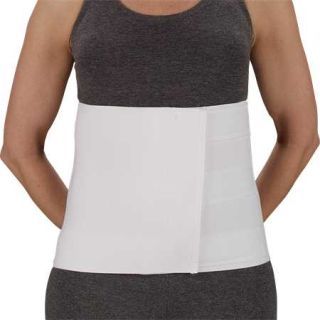
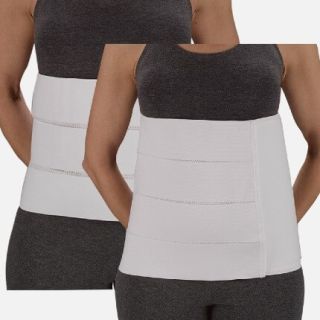
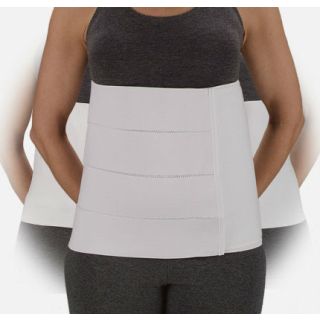
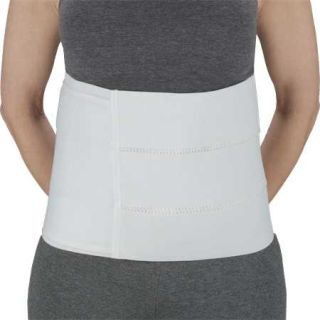
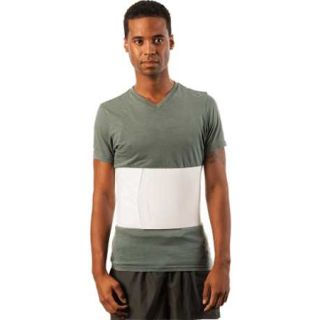
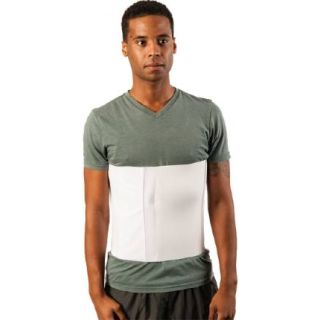
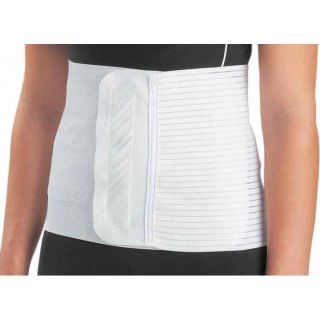
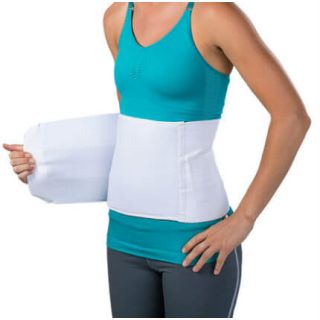
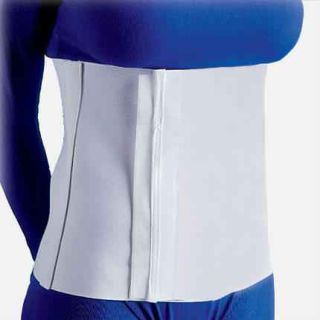
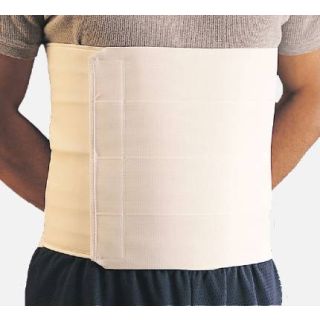
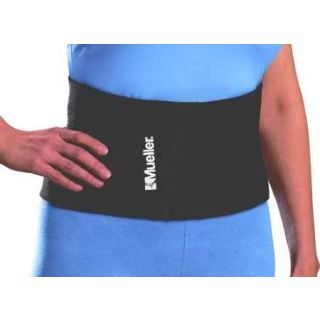
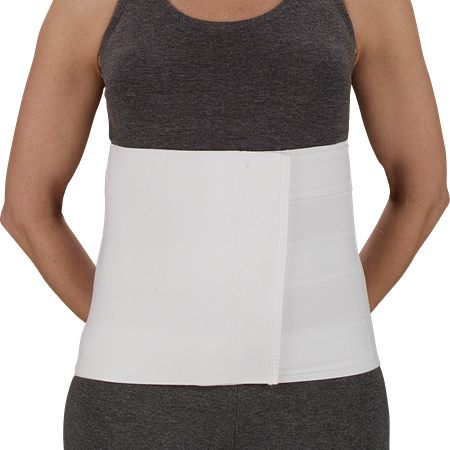
An abdominal binder is a wide, elastic compression garment designed to wrap around your midsection. It’s commonly prescribed or suggested after surgeries like hysterectomies, cesarean sections, tummy tucks, hernia repairs, or other abdominal procedures. The primary purpose is to provide gentle pressure to the surgical site, supporting weakened muscles, reducing swelling, and promoting proper healing.
For consumers researching their options, understanding why binders are used is key. They help stabilize the abdominal area, which can be especially helpful when coughing, sneezing, or moving around—actions that might otherwise strain incisions. Additionally, binders can improve posture and alleviate discomfort by minimizing movement in the affected area. Knowing these benefits sets the stage for picking a binder that aligns with your recovery goals.
Key Benefits of Using an Abdominal Binder After Surgery
When deciding whether an abdominal binder is right for you, consider its advantages. First, it offers pain relief by compressing the abdominal wall, which can reduce the sensation of pulling or stretching at the incision site. Second, it minimizes swelling (edema) by encouraging fluid drainage and preventing buildup—a common post-surgical concern. Third, it provides a sense of security, giving you confidence to move without fear of disrupting your recovery.
Another benefit worth noting is improved circulation. The gentle pressure can enhance blood flow, potentially lowering the risk of complications like blood clots. For many, this combination of physical and psychological support makes a binder an appealing addition to their post-op toolkit. As you explore options, weigh these benefits against your specific surgical recovery needs.
Types of Abdominal Binders: Which One Suits Your Needs?
Not all abdominal binders are created equal, and understanding the types available can help you narrow your choices. Here are the main categories:
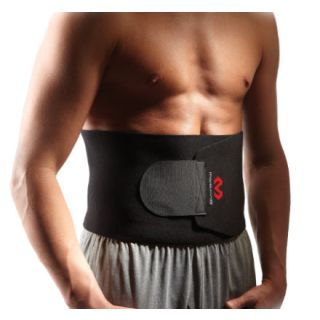
- Standard Elastic Binders: These are the most common, featuring stretchy material with adjustable closures (often Velcro). They’re versatile and suitable for a wide range of surgeries.
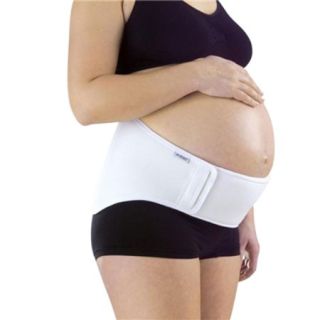
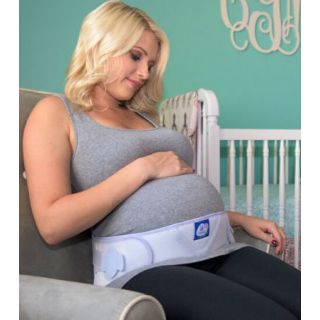
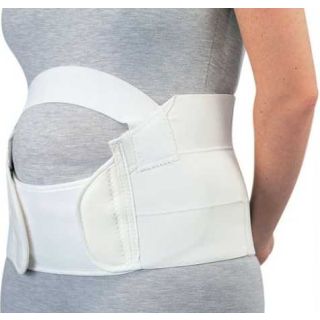
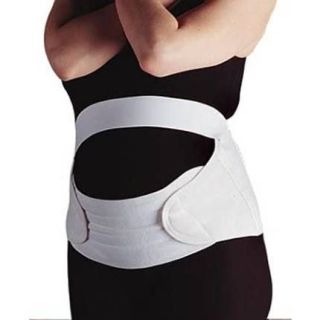
- Postpartum Binders: Designed for new mothers after C-sections or vaginal deliveries, these often include extra support for the pelvic area and lower back.
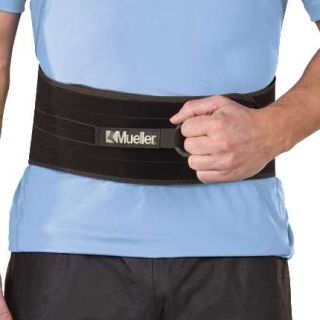
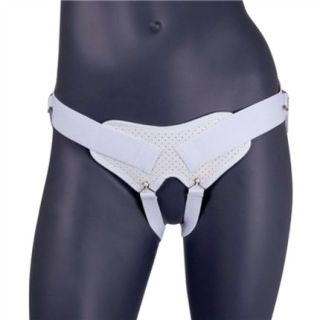
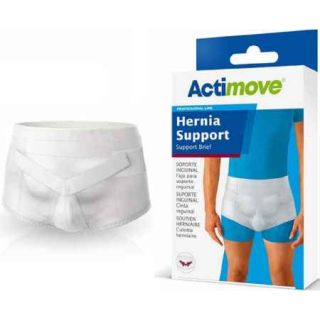
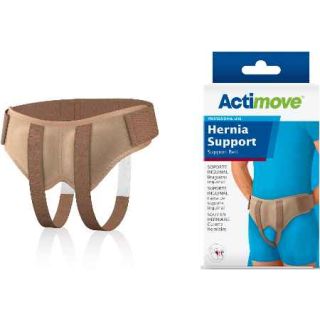
- Surgical-Grade Binders: Typically recommended by doctors, these are more structured and may have reinforced panels for targeted support.
- Custom-Fit Binders: Some brands offer binders tailored to your measurements, ideal for unique body shapes or complex surgeries.
For a consumer, the type you choose depends on your surgery, body size, and comfort preferences. A C-section patient might lean toward a postpartum binder, while someone recovering from a hernia repair might opt for a surgical-grade model. Consider consulting your surgeon for recommendations tailored to your procedure.
How to Choose the Right Size Abdominal Binder
Size is one of the most critical factors when selecting an abdominal binder. A binder that’s too tight can restrict breathing or cause discomfort, while one that’s too loose won’t provide adequate support. Most binders come in sizes ranging from small to extra-large, with some brands offering plus-size options.
To find your fit, measure your waist or the circumference of your abdomen at the surgical site before purchasing. Check the manufacturer’s sizing chart, as sizes can vary between brands. Adjustable binders with Velcro straps offer flexibility, allowing you to tighten or loosen as swelling decreases during recovery. If possible, try the binder on (over clothing) or read reviews from others with similar body types to ensure a snug yet comfortable fit.
Material Matters: Picking the Best Fabric for Comfort
The material of an abdominal binder directly affects your experience. Common options include cotton blends, nylon, spandex, or a combination. Here’s what to consider:
- Breathability: Cotton or cotton-blend binders allow air circulation, reducing sweat and irritation—crucial if you’ll wear it for long periods.
- Stretch: Spandex or elastic materials provide the compression needed for support but should still feel flexible.
- Durability: Nylon or reinforced fabrics are sturdy and ideal for extended use.
For consumers, comfort is king. If you have sensitive skin, prioritize hypoallergenic or soft fabrics to avoid rashes. Also, consider the climate—breathable materials are a must in warmer weather. Reading product descriptions and customer feedback can guide you toward a binder that balances support with wearability.
Features to Look for in a High-Quality Abdominal Binder
Beyond size and material, specific features can make or break your binder experience. Look for these when shopping:
- Adjustable Closures: Velcro or hook-and-loop fasteners let you customize the fit as your body changes.
- Non-Slip Design: Some binders have silicone strips or textured interiors to prevent rolling or sliding.
- Height Options: Binders come in varying widths (e.g., 9-inch or 12-inch). Taller ones offer more coverage, while shorter ones suit smaller incisions.
- Ease of Cleaning: Machine-washable binders save time and effort.
- These features cater to practical needs during recovery. For example, a non-slip binder is a game-changer if you’re active, while adjustable closures accommodate post-op swelling. Match the features to your lifestyle and surgical demands for the best outcome.
Top Brands of Abdominal Binders for Post-Surgery Recovery
With so many brands on the market, medical professionals prefer our hospital-grade binders here at DME-Direct due to their quality and dependability.
How to Use an Abdominal Binder Correctly After Surgery
Once you’ve chosen a binder, proper use maximizes its benefits. Wear it as directed by your doctor—typically during the day, removing it at night unless otherwise advised. Position it over your incision, ensuring it’s snug but not constricting. Avoid wearing it over open wounds unless covered with sterile dressings.
Start with short periods (e.g., 2–4 hours) to adjust, then increase as tolerated. Monitor for signs of discomfort like numbness or shortness of breath—if these occur, loosen it or consult your healthcare provider. Proper use ensures the binder supports rather than hinders your recovery.
Potential Drawbacks and Considerations Before Buying
While abdominal binders offer many perks, they’re not perfect for everyone. Some users report discomfort from prolonged wear, especially if the fit isn’t right. Others find them hot or bulky under clothing. There’s also a risk of over-reliance—using a binder too long might weaken abdominal muscles if not balanced with light activity (as approved by your doctor).
For consumers, weigh these cons against the pros. If you’re prone to skin irritation or dislike compression garments, explore alternatives like supportive clothing. Discuss with your surgeon to confirm a binder aligns with your recovery plan.
Making Your Final Decision: Tips for Choosing the Right Abdominal Binder
Choosing the right abdominal binder boils down to your surgery type, body size, and personal comfort. Start by consulting your doctor for medical input. Next, prioritize fit and features—opt for adjustable, breathable designs with good reviews. Finally, set a budget; binders range from $15 to $50+, depending on quality and brand.
Shop here at DME-Direct for the appropriate height binder to meet your needs By blending professional advice with practical research, you’ll land on a binder that supports your healing journey effectively.
In conclusion, an abdominal binder can be a valuable ally after surgery, offering support and peace of mind. With the right choice, you’ll recover comfortably and confidently—ready to get back to your daily life.
Additional Resources:
Abdominal Binder After Surgery